Grandmillennial Gardens: A Fusion of Tradition and Innovation
Grandmillennial gardens represent a captivating evolution in outdoor design. This style merges the sentimental allure of vintage aesthetics with contemporary functionality, creating spaces that evoke warmth and nostalgia while embracing modern sustainability. Gardeners and homeowners increasingly adopt this approach to craft personal sanctuaries that honor the past and anticipate the future.
In essence, grandmillennial gardens draw inspiration from heirloom traditions, featuring abundant florals and textured elements that tell stories of heritage. Yet, they incorporate eco-friendly practices to ensure longevity and environmental harmony. The result is an outdoor retreat that feels both timeless and relevant.
Defining the Grandmillennial Aesthetic
Key Elements of Grandmillennial Design
Vintage Florals and Layered Plantings
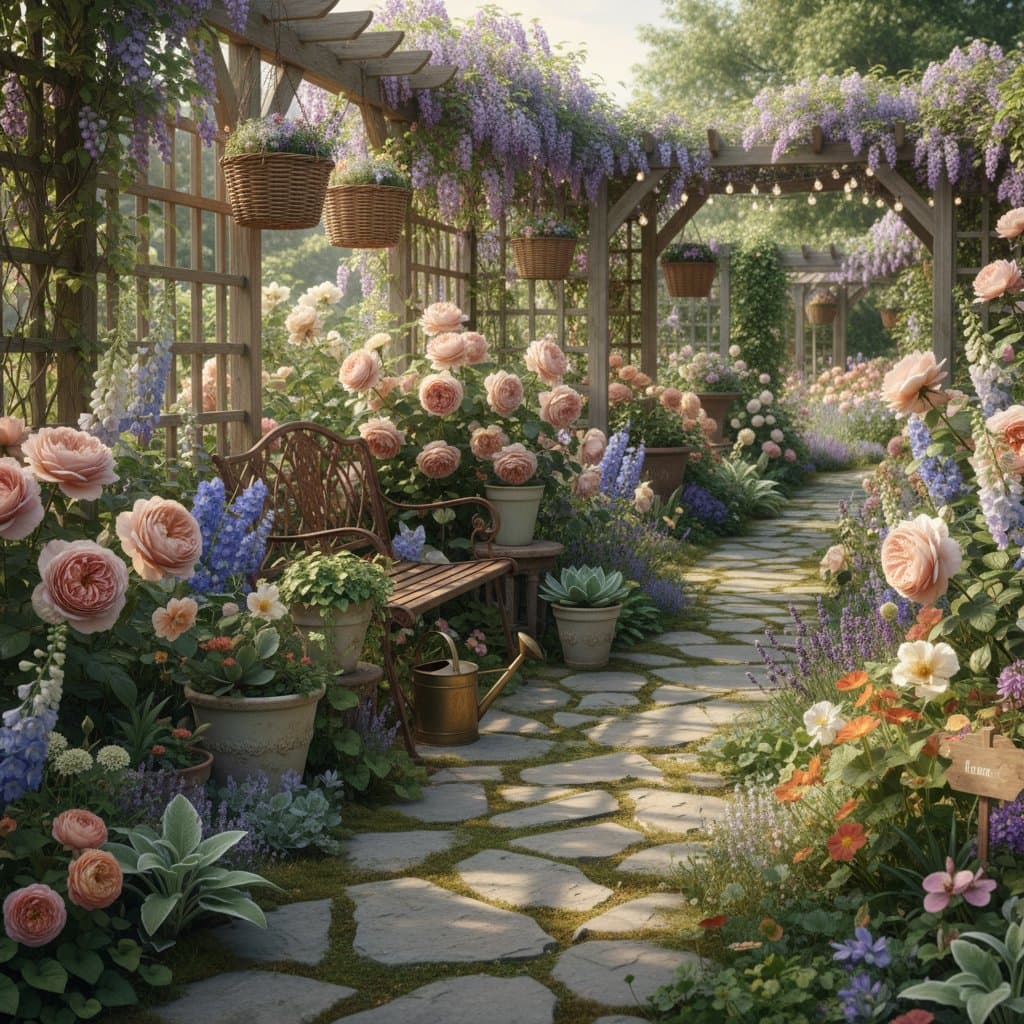
Vintage florals form the backbone of grandmillennial gardens. Roses in soft pinks and lavenders climb trellises, while delphiniums add height and drama. These selections create a lush, overflowing abundance that mimics cottage gardens of yesteryear.
Layered plantings enhance depth and texture. Ground covers like sweet woodruff weave among mid-level perennials such as peonies, topped by climbing vines. This stratification not only maximizes space but also supports biodiversity, attracting pollinators and beneficial insects.
To achieve this layering, start with soil preparation. Amend heavy clay with organic compost to improve drainage and nutrient retention. Plant in drifts rather than rows for a natural, unstructured look that evolves over seasons.
Timeworn Textures and Ornaments
Timeworn textures contribute to the garden's character. Weathered stone benches and rusted iron gates serve as focal points, their patina enhancing the nostalgic appeal. Gravel paths bordered by mossy edges provide subtle crunch underfoot and easy maintenance.
Incorporate salvaged items for authenticity. Repurpose old birdbaths or urns as planters, filling them with cascading ivy or trailing lobelia. These elements add a layer of history, making the space feel inherited rather than newly constructed.
Placement matters for impact. Position larger ornaments at garden intersections to guide movement, while smaller accents like vintage lanterns line pathways. This arrangement creates a sense of discovery, drawing visitors deeper into the landscape.
Integrating Sustainability with Sentimentality
Sustainability elevates grandmillennial gardens beyond aesthetics. Native plants reduce water needs and support local ecosystems, aligning heritage blooms with ecological responsibility. For example, choose drought-tolerant salvias alongside classic hydrangeas to minimize irrigation.
Composting and mulching preserve soil health while embracing imperfection. Fallen leaves and pruned clippings return nutrients naturally, fostering resilient growth. Rain gardens capture runoff, preventing erosion and replenishing groundwater in a subtle, integrated way.
Practical steps include installing permeable paving for paths, which allows water infiltration. Select heirloom seeds from reputable sources to avoid hybrids that demand chemical inputs. These measures ensure the garden thrives with minimal intervention, honoring both tradition and the planet.
Actionable Steps to Create Your Grandmillennial Garden
Assess and Plan Your Space
Begin by evaluating your yard's conditions. Note sunlight patterns, soil type, and existing features to inform plant choices. Sketch a rough layout, prioritizing areas for seating and focal points to guide the design process.
Consider scale and flow. Allocate space for layered beds along borders, leaving central areas open for paths or lawns. This planning prevents overcrowding and ensures the garden evolves harmoniously over time.
Select and Source Materials
Source plants from local nurseries specializing in heirlooms. Opt for perennials like lupines and asters that return annually, reducing replanting efforts. Include a mix of evergreen shrubs, such as boxwood, for year-round structure.
Hunt for vintage ornaments at flea markets or antique shops. Clean and seal metal pieces to extend their life without altering patina. Budget for sustainable additions like recycled stone for edging, which adds texture affordably.
Implement and Maintain
Plant in phases to manage workload. Start with structural elements like trees and shrubs, then add perennials and annuals for color. Water deeply but infrequently to encourage strong roots, adjusting based on weather.
Maintenance involves gentle pruning to maintain shape without formality. Remove spent blooms to prolong flowering, and monitor for pests using natural remedies like neem oil. Seasonal tasks, such as mulching in fall, keep the garden vibrant with minimal effort.
The Lasting Appeal of Grandmillennial Retreats
Grandmillennial gardens offer more than visual delight; they cultivate emotional connections. By blending heritage with innovation, these spaces become repositories of memory and comfort. Homeowners report heightened well-being from tending such personal oases.
Ultimately, this style empowers creativity within sustainable bounds. Whether reviving family traditions or inventing new ones, the garden reflects individual stories. Embrace the imperfections, and watch your outdoor haven flourish into a timeless sanctuary.