Acoustic Panels That Look Like Wall Art, Not Studios
Homeowners frequently encounter noisy environments that interfere with comfort and clarity. Echoes in living rooms or home offices can distort conversations and diminish the enjoyment of music or movies. Decorative acoustic panels address these issues by absorbing excess sound while serving as attractive design elements. These panels combine practical sound control with aesthetic enhancement, transforming plain walls into striking visual features.
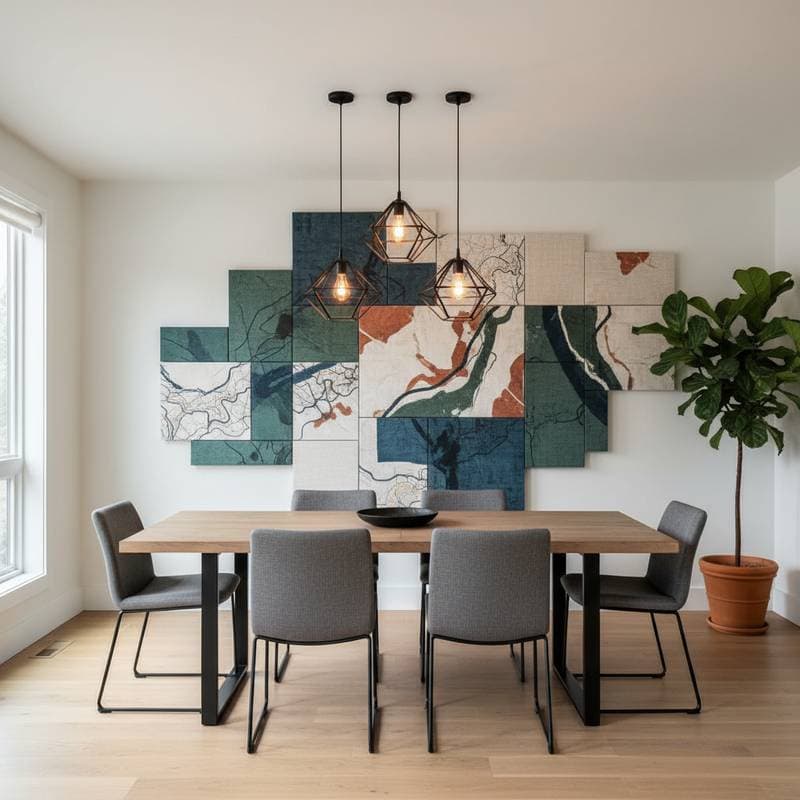
Conventional acoustic solutions often appear industrial and cumbersome, much like recording studio gear. Contemporary alternatives use vibrant fabrics, custom prints, and innovative shapes to resemble fine art. They minimize sound reverberation without compromising the room's overall style. This method enables subtle improvements to acoustics that integrate seamlessly with personal decor.
Installation Step-by-Step
-
Mark Mounting Points
Use a level and tape measure to plot exact locations for each panel. Start at the wall's midpoint and work outward to maintain straight lines and balanced distribution.
-
Locate Studs or Select Anchors
For panels heavier than five pounds, fasten at least one edge into a wall stud using a stud finder. Lighter options need wall anchors capable of supporting 10 to 20 pounds for reliable attachment.
-
Install Mounting Hardware
Adhere to the manufacturer's instructions for attaching Z-clips, French cleats, or keyhole brackets. Secure the hardware solidly to both the wall and the panel before final assembly.
-
Position and Fine-Tune
Hang the panel on the mounted hardware, check levelness with a bubble tool, and adjust as necessary. When installing multiples, align the top edges first, then ensure consistent gaps between pieces.
-
Evaluate Acoustic Performance
Test with familiar audio sources, including a playlist of songs or scenes from a movie. Look for clearer dialogue, less echo, and reduced ambient hum as indicators of success.
Common Problems and Solutions
Panels Shifting or Detaching:
Weak attachments lead to panels leaning or falling. Replace tape or adhesive hooks with screws into studs, or use heavy-duty anchors to achieve firm fixation.
Inconsistent Sound Reduction:
Lingering echoes in certain spots signal untreated reflection paths. Add targeted smaller panels or soft furnishings, like curtains, to those specific locations.
Excessive Sound Absorption:
An overly deadened room feels stuffy and flat. Eliminate a few panels or add hard surfaces, such as glass tabletops or metal accents, to reintroduce liveliness.
Fabric Discoloration:
Direct sunlight causes fading in exposed areas. Choose panels with UV-protective coatings for sunny walls, or rotate their positions seasonally to distribute wear evenly.
Engaging Professional Assistance
Intricate situations, such as noise leaking between rooms or vibrations from floors, call for specialist input. Acoustic engineers measure specific frequencies and recommend advanced fixes, including isolation clips or layered wall assemblies. Bespoke panels with embedded LEDs or irregular shapes benefit from expert handling to ensure accurate fit and adherence to building codes.
Budget Considerations
Decorative acoustic panels deliver effective results at a fraction of full-room remodel costs. Pricing depends on materials and complexity:
- Fabric-wrapped panels: Affordable at $20 to $50 per square foot, ideal for straightforward applications.
- Printed art panels: Higher at $50 to $100 per square foot, reflecting custom printing and durable inks.
- Sculptural panels: Luxury range of $100 to $200 per square foot, justified by molded forms and premium finishes.
For an average living room of 200 square feet, budget $400 to $1,000 for initial coverage, comparable to investing in high-end artwork. Start small with two or three panels to measure benefits, then scale up based on results.
Integrating Panels into Design
Thoughtful positioning turns panels into integral decor pieces rather than mere utilities. Coordinate hues and textures with room palettes for cohesive flow. Add slim wooden or metal frames to frame panels like traditional paintings, enhancing their artistic presence.
Incorporate subtle spotlights to highlight surface details, creating shadows that add depth and ambiance. Combine panels with open shelving, convex mirrors, or mixed-media collages to build layered wallscapes.
Adherents to minimalism opt for large, monolithic panels spanning entire wall segments. Those with eclectic tastes arrange varied sizes in grid patterns or staggered lines for visual intrigue.
Maintenance and Safety Protocols
Select panels certified for fire resistance to meet household safety requirements. Most acoustic materials feature inherent flame-retardant properties, but verify certifications like Class A rating for assurance.
Keep panels dust-free by gently vacuuming with a brush attachment or using a lint roller weekly. Avoid wet cleaning methods unless the product label permits them, to prevent moisture damage to fabrics or cores.
Extending Acoustic Enhancements
Effective treatment in one space encourages application elsewhere. Equip home theaters for immersive viewing, nurseries for soothing silence, or open-plan kitchens to separate cooking sounds from relaxation areas. Progressive projects build familiarity with how sound behaves in different home zones.
Realizing the Benefits of Balanced Sound
With panels in place, rooms foster environments where audio enhances experiences rather than overwhelms them. Discussions become effortless, media playback gains depth, and background distractions fade. This fusion of refined acoustics and sophisticated style improves the quality of everyday home life.