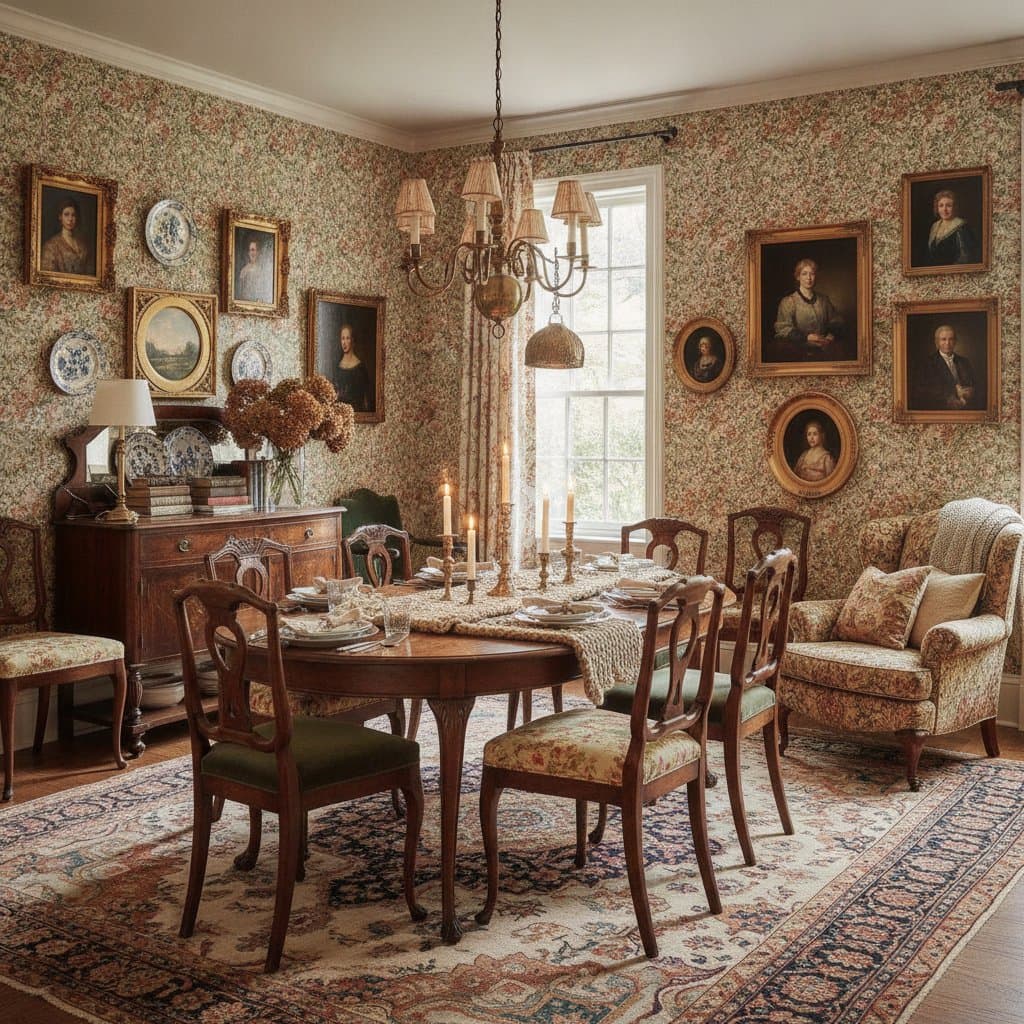
Transform Dining Rooms Effortlessly with Magnetic Walls
Homeowners often hesitate to update their dining rooms due to the permanence of traditional changes. Hanging artwork or mounting shelves creates lasting marks, while repainting demands significant effort. Magnetic wall systems eliminate these barriers, enabling frequent redesigns without underlying wall damage.
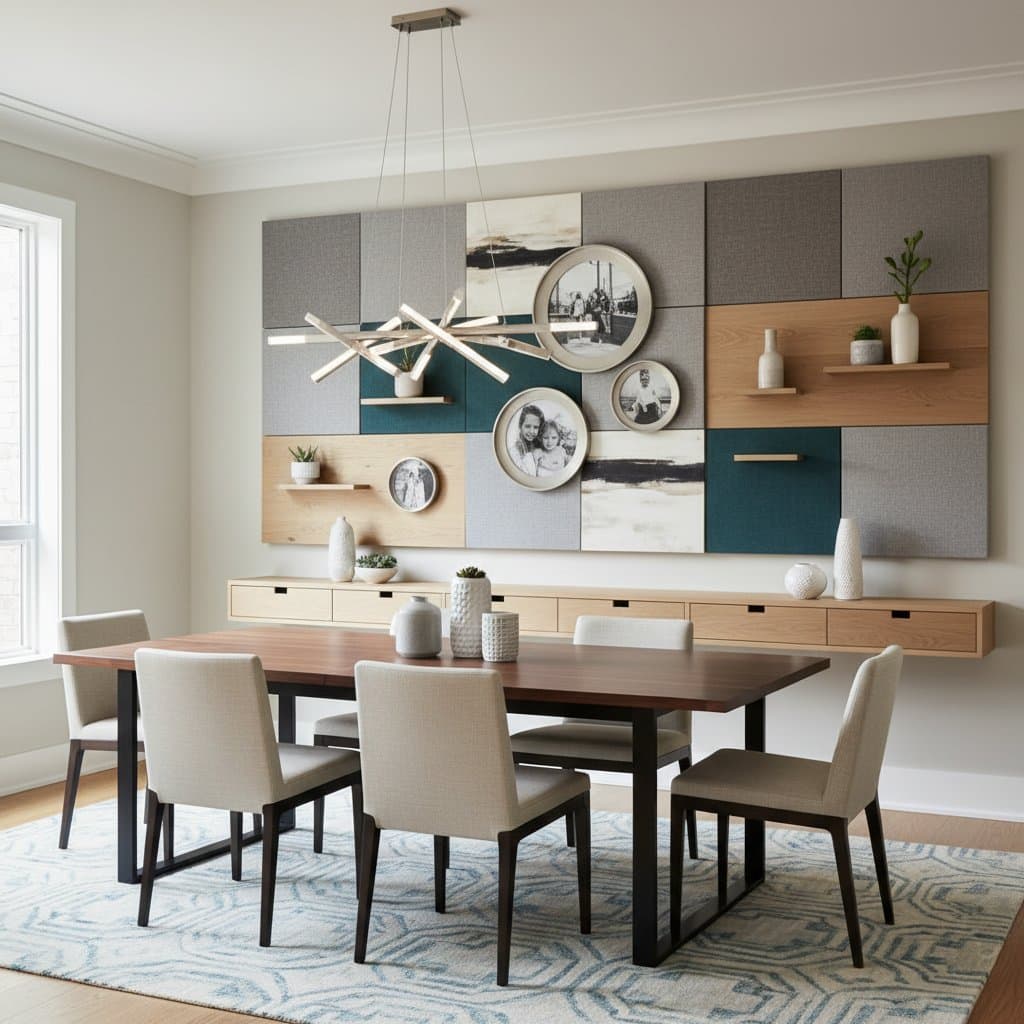
These systems allow attachment of panels, artwork, or shelving that adhere securely yet detach cleanly. You gain the freedom to experiment with layouts and themes, keeping the space vibrant and current. This approach suits dynamic households where aesthetics evolve with seasons or occasions.
Why Magnetic Walls Suit the Dining Room
Dining rooms balance formality and everyday use, serving as gathering spots that accumulate seasonal items and personal touches. Conventional wall coverings restrict adaptability, as each modification risks visible repairs. Magnetic walls provide a reversible foundation, supporting items up to several pounds without residue.
Project Overview and Preparation
Installing magnetic walls demands thoughtful preparation to ensure durability and performance. Begin by selecting the wall surface; smooth drywall yields the best results, while textured walls may require additional smoothing. Measure the area precisely to calculate material needs, accounting for outlets and trim.
The process spans one to two weekends, depending on the method chosen. Magnetic primer offers a simpler entry point, but steel sheets deliver superior holding power for heavier decor. Evaluate your decor weight—light artwork suits primer, while loaded shelves favor metal reinforcement.
Clear the room thoroughly and protect floors with drop cloths. Sand any glossy surfaces for better adhesion, then clean with a mild detergent solution. These steps prevent bubbles or peeling, setting the stage for a flawless application.
Installation Methods in Detail
Magnetic Primer Application
Magnetic primer transforms ordinary walls into receptive surfaces through layered coatings. Stir the primer thoroughly before use, as pigments settle quickly. Apply the first coat with a 3/4-inch nap roller, working in sections to maintain even coverage.
Allow 24 hours drying between each of three to four coats; rushing leads to weak magnetism. Test adherence with a strong neodymium magnet after the final layer—if it holds a one-pound object at arm's length, proceed to finishing. Top with two coats of latex paint in a satin sheen for easy cleaning and subtle texture.
This method suits renters or temporary setups, as removal involves standard paint stripping without structural harm. Expect a slight magnetism reduction from topcoats, so reserve it for decor under five pounds per attachment point.
Steel Sheet Installation
For robust performance, opt for 24-gauge galvanized steel sheets, which resist rust and flex minimally. Cut sheets to fit using tin snips, wearing cut-resistant gloves to avoid sharp edges. Align with wall studs for secure anchoring, spacing screws every 12 inches.
Secure the sheet flush against the drywall, then apply joint compound over seams and screw heads with a 6-inch knife. Feather edges outward to blend seamlessly, sanding smooth after 48 hours of curing. Paint matches the primer method, ensuring the steel remains fully covered for aesthetics and safety.
This technique supports up to 20 pounds per square foot, ideal for modular shelving or large murals. Professionals recommend it for walls over 100 square feet, where primer alone may falter under load.
Essential Tools and Materials
Gather these items for a smooth project:
- Magnetic primer (rust-inhibitive formula) or 24-gauge galvanized steel sheets
- High-quality latex paint in desired finish
- 3/4-inch and 1/4-inch nap rollers with extension pole
- 6-inch and 10-inch drywall knives, plus joint compound
- Cordless drill with self-tapping metal screws (1-1/4 inch)
- Stud finder, 4-foot level, and measuring tape
- Safety gear: nitrile gloves, safety goggles, and N95 dust mask
Budget $200 to $500 for materials in a standard 12x12 room, excluding labor. Source primer from specialty paint stores for consistent quality.
Skill Assessment and When to Hire Help
Moderate skills suffice for primer application if you handle basic painting and wall prep. Practice on a small test area to gauge comfort with roller techniques. Steel installation calls for familiarity with power tools and metalwork; beginners should enlist a contractor for this phase to avoid misalignment or injury.
Hire professionals for complex scenarios, such as walls with intricate molding, embedded wiring, or high ceilings. They ensure code compliance around electrical fixtures and provide warranties on structural integrity. Expect $50 to $100 per hour for such expertise.
Avoiding Pitfalls in Installation
Rushing drying times tops the error list, as undercured primer flakes under stress. Adhere to manufacturer guidelines, extending intervals in humid conditions. Overapplication creates a bumpy texture; thin coats build magnetism more effectively than thick ones.
Neglecting surface prep invites poor adhesion—always prime bare drywall first. For finish coats, use a different roller nap to minimize texture transfer. Post-installation, avoid heavy cleaners that erode the magnetic layer; opt for damp microfiber cloths instead.
Test every magnet type before full commitment; ceramic discs outperform strips for even hold. Document your setup with photos for reference during future adjustments.
Expert Strategies for Long-Term Use
Position magnetic zones strategically, such as behind the buffet for hidden storage or along focal walls for displays. Integrate with peel-and-stick hooks for hybrid support on non-magnetic areas. During holidays, layer lightweight garlands over panels for instant festivity without overload.
Maintain strength by annual magnet checks; replace weakened topcoats promptly. Pair with modular furniture to amplify flexibility, creating cohesive zones that shift as needed. Track decor weights meticulously—use rare-earth magnets for items exceeding two pounds.
Maximizing the Benefits of Your Redesigned Space
A completed magnetic wall setup turns your dining room into an adaptable canvas. Rearrange elements in under 30 minutes for mood shifts, from minimalist modern to cozy rustic. Family memories gain prominence through rotating photo arrays, fostering connection without commitment.
Walls stay pristine, free from the wear of constant changes, extending their lifespan. This enduring solution empowers creativity, ensuring your dining area reflects current tastes while simplifying future updates. Embrace the ease and watch your space thrive with effortless evolution.