Key Points
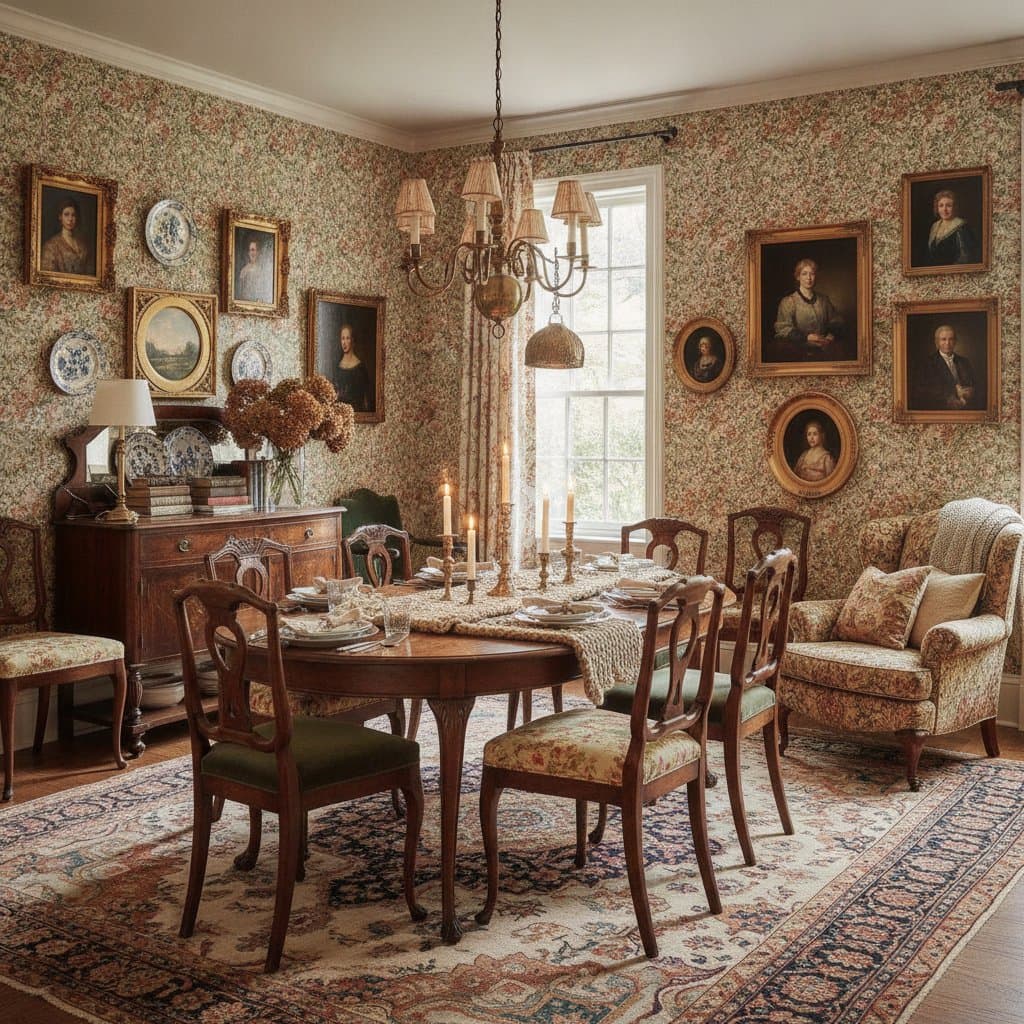
- Grandmillennial style converts dining rooms into inviting spaces rich in character while preserving everyday usability.
- This aesthetic merges vintage elements with contemporary ease through layered textures, floral patterns, and durable heirloom items.
- Budget-conscious modifications prove accessible by combining secondhand furniture with targeted new additions.
- Prioritize safety and functionality, especially during furniture restoration or electrical updates to lighting.
The Appeal of Grandmillennial Style in TikTok Dining Rooms
Grandmillennial style thrives in TikTok dining room videos because it emphasizes comfort, nostalgia, and skilled workmanship amid a landscape dominated by sparse designs. The approach creates rooms that feel intimate and genuine, rooted in tradition yet free from rigidity, and warm without excess. Designers draw from enduring interior traditions while incorporating vibrant motifs, meaningful accents, and a subtle challenge to bland aesthetics.
Project Essentials
Working Time: One to three weekends
Total Time: Depends on restoration and styling progress
Skill Level: Intermediate
Estimated Cost: Moderate, favoring thrift store options
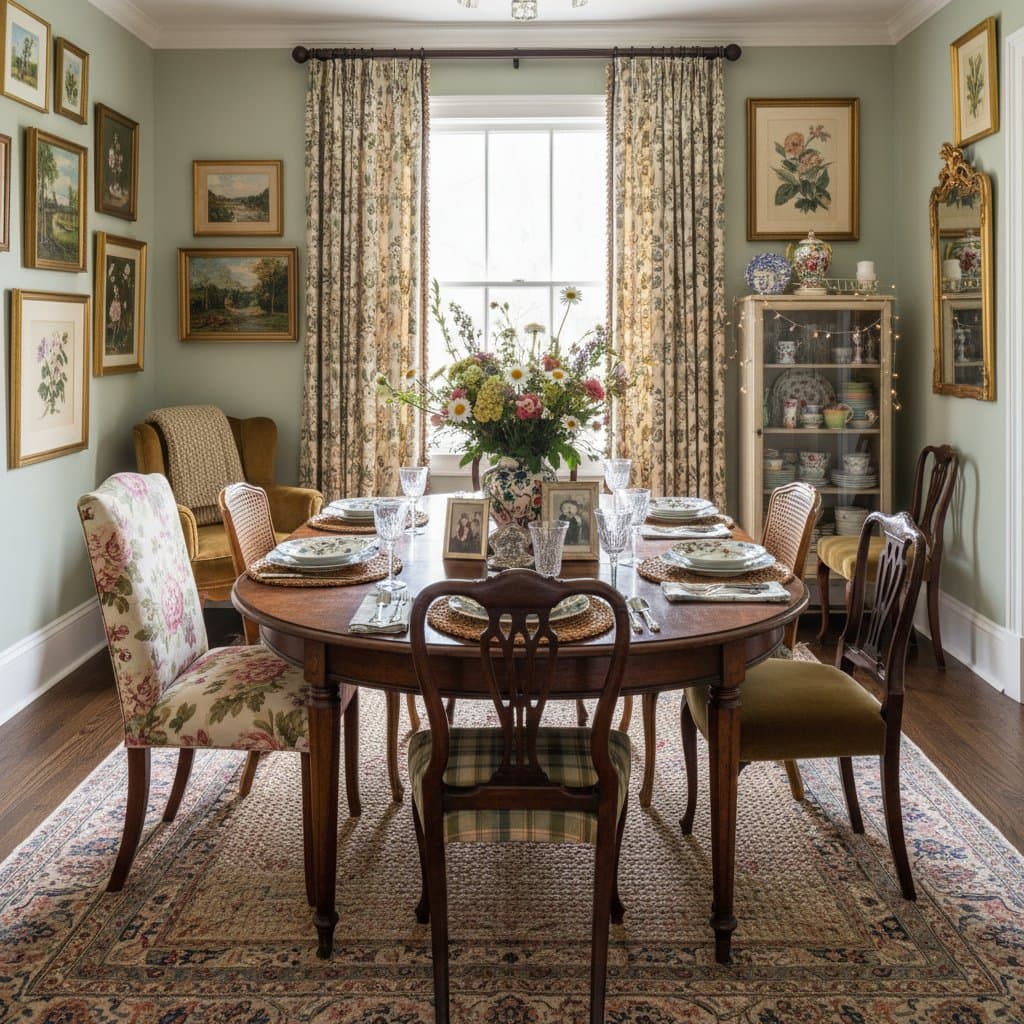
Grandmillennial dining rooms typically start with a foundational item, such as a polished mahogany dining table or an antique credenza. Subsequent layers introduce dimension through elements like botanical wall coverings, gathered lamp shades, and soft-edged window treatments. The style's strength rests in its adaptability; a space develops over time as owners acquire objects that resonate personally.
To illustrate, begin by sourcing a solid oak table from a local estate sale, then pair it with mismatched chairs upholstered in subtle stripes. Introduce wallpaper featuring delicate rose motifs on one accent wall to draw the eye without dominating. Such incremental choices allow the room to reflect evolving preferences while maintaining cohesion.
Deciding Between DIY and Professional Help
Tasks like repainting or restoring furniture suit those with steady hands and essential protective equipment. Conduct all surface preparation and finishing in a well-aired space to avoid inhaling fumes. However, tasks involving electrical modifications to vintage fixtures or alterations to load-bearing elements require certified experts. This strategy controls expenses and minimizes risks of errors that could lead to hazards or rework.
For example, sanding and staining a wooden buffet demands only basic supplies and time, yielding professional results with practice. In contrast, installing a period-appropriate pendant light over the table calls for an electrician to ensure compliance with safety codes and seamless integration.
Essential Materials and Tools
Core Elements:
- Sturdy wooden dining table and seating
- Antique display cabinet or serving sideboard
- Ornate wall covering or custom stencil pattern
- Timeless overhead fixture or pendant light
- Textural fabrics including cotton, linen, and velvet
Tools and Supplies:
- Assorted paintbrushes and rollers for even application
- Wood filler, fine-grit sandpaper for surface smoothing
- Screwdrivers, pliers, and standard hardware implements
- Durable fabric for custom linens or seat covers
- Mild, pH-neutral cleaners suited for delicate antiques
Select materials that endure daily use; for instance, opt for linen blends that resist wrinkles while softening with washes. Tools should include ergonomic handles to support extended sessions without fatigue.
Step-by-Step Guide to Creating Your Space
-
Establish the Foundation: Thoroughly clean existing furniture and check for instability in joints or surface damage. Secure repairs with appropriate adhesives or hardware before any finishing work.
-
Select Your Palette: Blend gentle pastels or rich gem hues against neutral walls to achieve enduring harmony. Test samples in natural light to confirm how tones interact throughout the day.
-
Build Textural Depth: Incorporate removable slipcovers on chairs, monogrammed cloth napkins, and handwoven placemats. These additions enhance tactile interest and invite lingering meals.
-
Curate Thoughtful Accents: Display cherished family silver or curated vintage vases instead of generic decor. Arrange items asymmetrically to foster a lived-in authenticity.
-
Illuminate with Purpose: Install a crystal chandelier or fabric-shaded sconces to cast a soft glow. Position lights to highlight key features, such as a centerpiece arrangement, enhancing the room's welcoming aura.
Each step builds upon the last, transforming a standard dining area into a narrative-driven haven. Allow flexibility for adjustments based on the room's architecture and personal narrative.
Strategies for Polished Results
Choose premium brushes with synthetic bristles for flawless paint adhesion and minimal streaks. When evaluating used pieces, inspect for full wood construction to ensure longevity over fragile laminates. Pair heritage prints like fine floral damasks with sleek contemporary frames to inject vitality.
Maintain open pathways around the table for seamless hosting. Measure clearances in advance to accommodate chairs when pulled out, promoting fluid social interactions.
Preserving the Timeless Aesthetic
Apply beeswax or linseed oil quarterly to wooden elements, restoring shine and protecting against dryness. Launder textiles in cool water with enzyme-free detergents to safeguard dyes and fibers. Refresh arrangements by swapping seasonal motifs, such as autumnal leaves for spring blooms, to sustain visual interest.
As the space matures, subtle signs of use—like faint polish marks on silver—enhance its genuine patina. Regular care ensures the design remains vibrant and functional for years.
Cultivating Enduring Dining Experiences
A grandmillennial dining room transcends fleeting fashions, embodying depth, artistry, and unique voice. Each restored surface, selected textile, and placed object weaves a tale of intentional stewardship and familial bonds. This harmony of heritage and innovation fosters spaces where meals become memories, rooted in comfort and creativity.