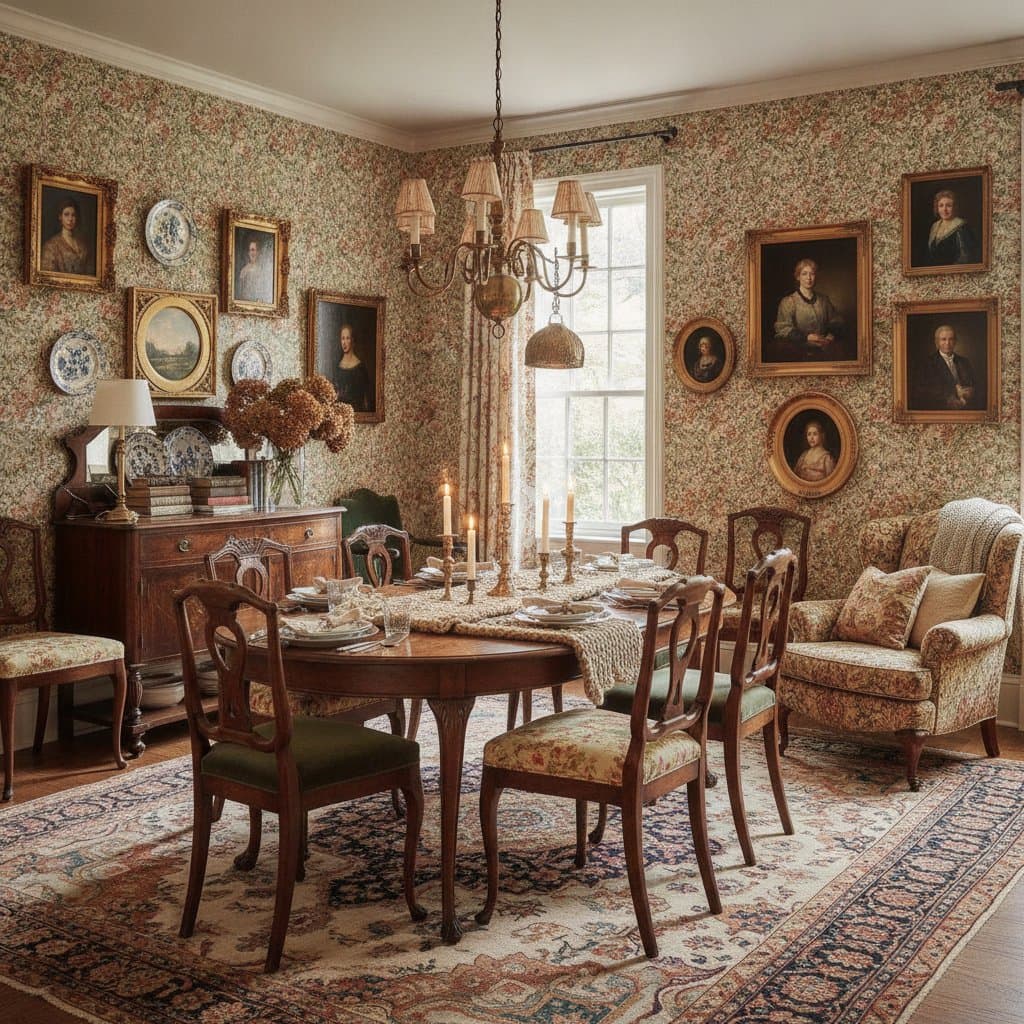
Acoustic Panels: Where Art Enhances Soundproof Dining
Many people lean across a restaurant table, straining to hear a dinner companion amid the clatter of plates and surrounding chatter. This noise disrupts what should be a cozy, enjoyable meal. Acoustic panels address this issue by softening sound while boosting visual appeal, removing the frustration of echo-filled dining rooms.
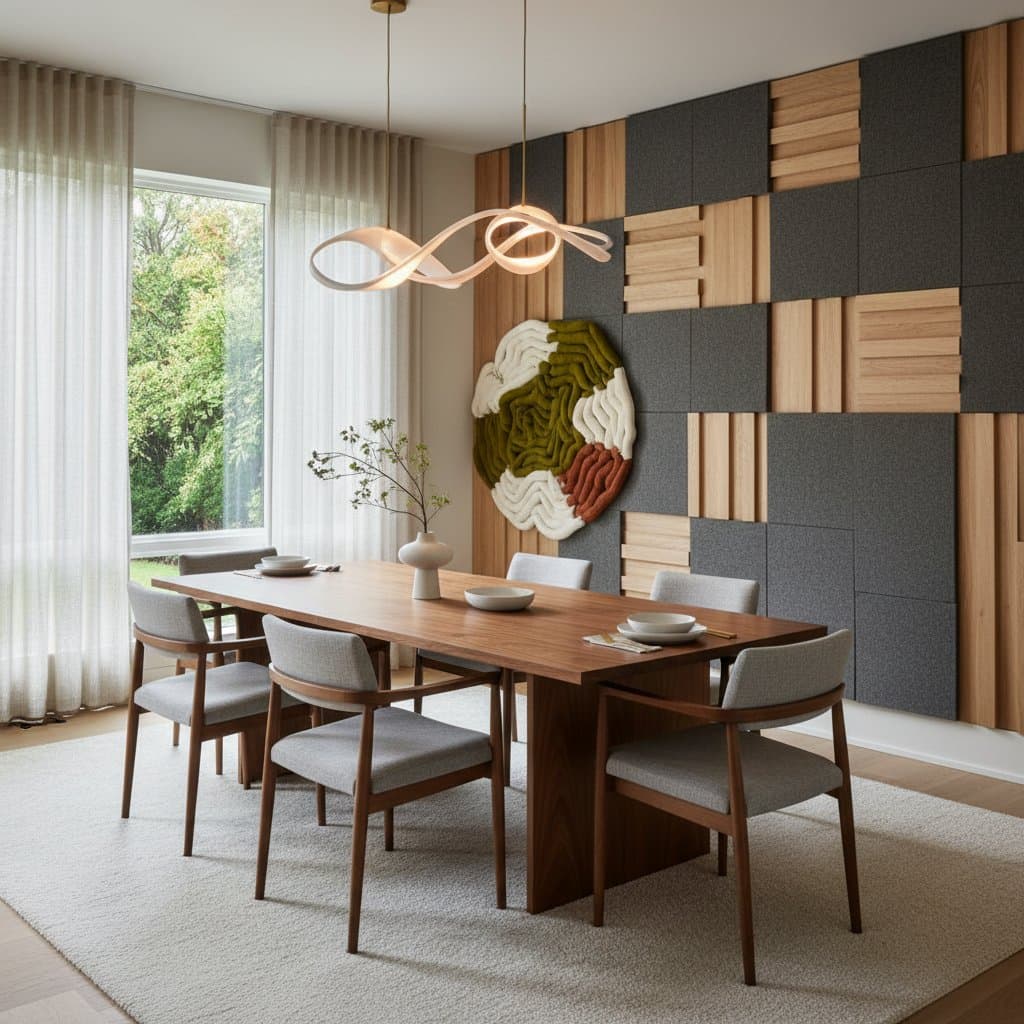
As people increasingly value dining spaces for meaningful connections rather than chaos, acoustic panels stand out as a sophisticated solution. These panels go beyond the plain, gray rectangles once confined to recording studios. Modern designs incorporate vibrant colors, intricate patterns, and diverse textures akin to fine art, including sculptural felt pieces, geometric wooden grids, or fabric-wrapped elements that function as wall decor. The result creates a dining area that excels in both acoustic performance and aesthetic charm.
The Role of Sound in Dining Experiences
Dual-Purpose Design: Function and Form United
Acoustic panels shine through their ability to fulfill both practical and decorative functions, justifying their presence with versatile benefits. They enhance audio quality while adding layers of texture and color to interiors.
Different materials bring unique character to spaces:
- Fabric-wrapped panels: These classic choices use materials like linen, velvet, or textured weaves in neutral or bold hues, blending effortlessly with diverse interior styles.
- Wood slat panels: Perfect for Scandinavian aesthetics, they deliver warmth and rhythmic patterns suitable for walls or ceilings.
- Felt and wool panels: These provide a soft, sculptural quality with a cozy, modern vibe, often made from recycled materials to attract eco-conscious individuals.
- Printed or patterned panels: Such options turn acoustic treatments into focal artwork, enabling customization to match specific decor themes.
Choose panels that align with the dining room's personality. In minimalist spaces, select geometric shapes or neutral fabrics. For eclectic rooms, incorporate bold forms or layered configurations. This approach ensures harmony between visual elements and acoustic effectiveness.
Strategic Placement: Merging Artistry and Acoustics
Successful acoustic design combines thoughtful placement with aesthetic decisions. Sound bounces off hard surfaces, so pinpoint primary reflection zones in the dining area.
Use this step-by-step guide:
- Prioritize walls. Place panels on the wall facing the dining table to intercept the majority of reflected sound.
- Evaluate ceilings. Add baffles or cloud-style panels to curb echoes, especially in rooms with tall ceilings.
- Layer treatments. Combining wall and ceiling options often achieves results without complete coverage.
- Distribute evenly. Symmetrical arrangements preserve balance and prevent uneven sound distribution.
Perform a simple clap test to evaluate: Clap hands in the dining room and listen for lingering echoes, which signal problematic reflective areas. Target panels to those high-impact zones for optimal results.
Achieving Balance Between Style and Sound Control
The effectiveness of acoustic panels depends on factors like density, thickness, and coverage extent. Thicker panels handle lower frequencies effectively, whereas thinner versions target higher pitches. Manufacturers provide ratings for specific frequency ranges, allowing informed choices without requiring advanced technical expertise.
In dining settings, emphasize midrange frequencies to improve voice clarity. Panels with medium density usually deliver sufficient performance. Start with targeted installations to measure improvements, then scale up based on observations.
Incorporate supporting elements such as fabric curtains, upholstered seating, and textured area rugs to amplify sound control. This multi-layered method integrates naturally, avoiding an overly clinical appearance.
Shaping Ambiance with Material Choices
Acoustics influence emotional tones beyond mere volume reduction. A sound-dampened dining space cultivates intimacy and calm. Pair it with warm lighting and organic textures to create gatherings that linger in memory.
Consider these style pairings with acoustic elements:
- Modern Glamour: Velvet-wrapped panels in rich jewel tones like emerald or navy, complemented by brass accents and diffused globe lighting for opulent appeal.
- Organic Minimalism: Light wood slats or soft gray felt alongside streamlined furniture, highlighting subtle textures.
- Artistic Expression: Mix various shapes and colors into dynamic wall compositions, fusing sound management with eye-catching displays.
- Urban Industrial: Dark felt or perforated wood elements with metallic hardware, offsetting absorption against rugged surfaces.
View the design holistically: Materials, illumination, and even table settings all contribute to acoustics and mood.
Everyday Practicality in Acoustic Solutions
Acoustic panels need to withstand routine use. Select dust-resistant and easy-to-clean options; certain fabric types include detachable, stain-proof covers. Renters can opt for peel-and-stick models that preserve wall integrity.
Pricing spans a range: Simple fabric panels offer affordability, while bespoke setups incur premium costs. Direct initial spending toward visible, high-influence spots, such as the wall adjacent to the table or ceiling overhead.
Many panels support DIY installation for convenience, though ceiling applications might necessitate professional assistance. Always check weight limits and mounting guidelines before starting.
Fostering Deeper Connections Through Design
Once installed, conversations unfold effortlessly, laughter echoes richly, and the dining room radiates tranquil energy. These enhancements surpass noise mitigation to strengthen personal interactions.
As interiors change with fresh colors or art additions, modular panels adjust seamlessly via repositioning, reupholstering, or stylistic updates. In essence, acoustic panels enrich the home story by emphasizing authentic comfort and shared moments.