Key Points
- Gen Z designers revive floral wallpaper, embroidered linens, and china cabinets through contemporary adaptations.
- Grandmillennial dining merges nostalgic elements with bold maximalist expressions.
- Influences include digital platforms, vintage resale sites, and sustainable practices.
- Younger residents employ floral motifs to foster warmth, personal identity, and narrative depth in living areas.
- Professionals recommend combining timeless patterns with vibrant colors and varied textures for harmony.
Picture a dinner party where the tablecloth displays vivid blooms that match the lively discussion. A vintage chandelier diffuses gentle light across an assortment of floral china patterns, while a thrifted sideboard supports a vase overflowing with peonies. The attendees consist of twenty-somethings who share stories of recent estate sale discoveries, rather than older generations recalling past decades. This scene captures the essence of the grandmillennial dining room, where nostalgia intertwines with personal flair, and Gen Z drives the evolution.
The Return of Romantic Maximalism
Digital Roots of a Vintage Revival
Technology plays a significant role in this resurgence of florals, alongside traditional influences. On platforms such as TikTok and Instagram, the term "grandmillennial" has evolved from a specialized style to a broader cultural phenomenon. Brief videos featuring young creators installing peel-and-stick floral wallpaper or organizing inherited china collections garner millions of views. These clips deliver both visual inspiration and emotional resonance, positioning home design as a medium for personal narratives.
Digital resale marketplaces further democratize access to vintage items. Shoppers no longer need to visit physical antique stores on weekends; instead, they browse curated online selections. The process of sourcing floral pieces adds excitement, linking modern buyers to artisanal quality and historical context that contrasts with the prevalence of inexpensive, mass-produced furniture.
Why Florals Speak to Gen Z
Individuals from this generation, shaped by constant online exposure, find the physical presence of floral decor reassuring. The subtle weave of a linen napkin or the smooth finish of a porcelain teacup provides a hands-on interaction absent from digital interfaces. Experts in design psychology describe this as biophilic comfort, reflecting an innate pull toward organic shapes and natural substances.
Cultural analyst Mariah Lee observes, "Florals represent a return to slow living. They remind people of gardens, of family gatherings, of something enduring. This nostalgia becomes a way to create emotional stability in uncertain times."
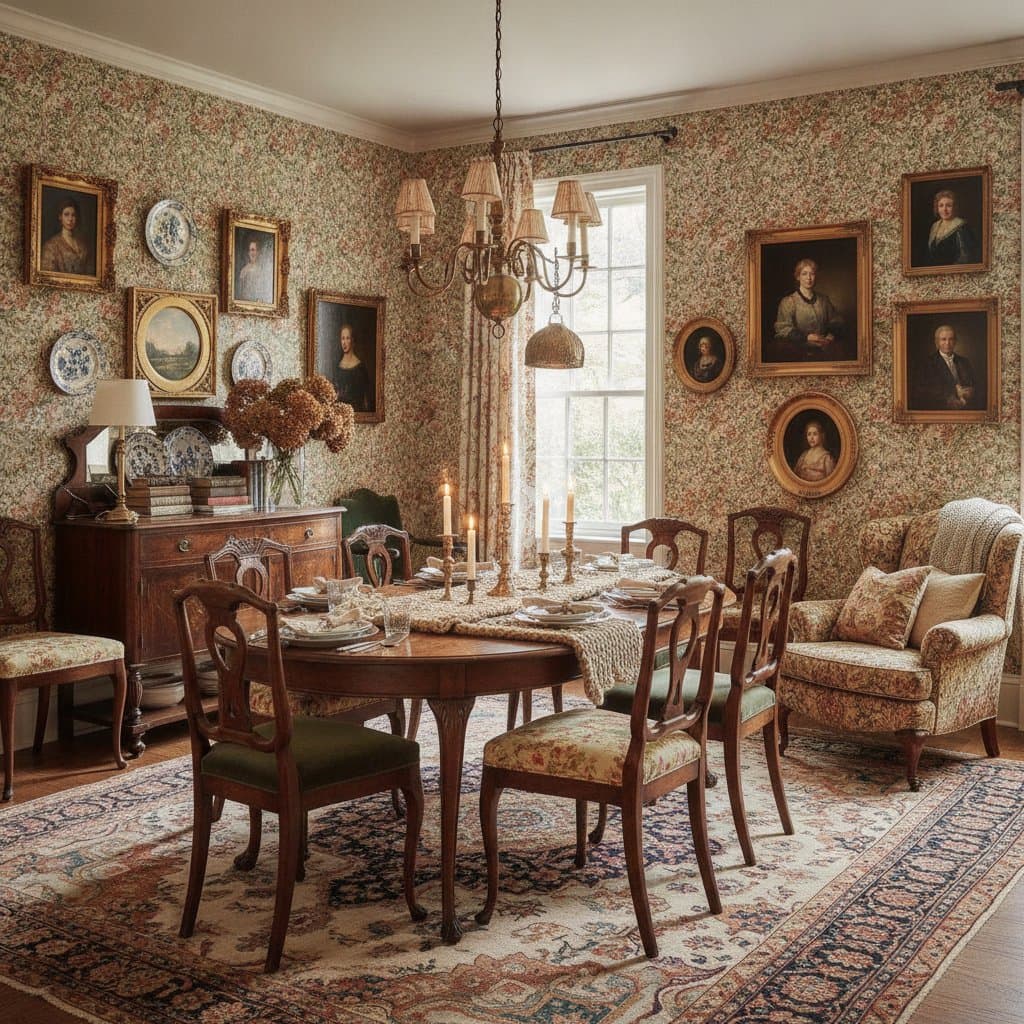
The grandmillennial approach to dining also counters throwaway consumerism. Rather than purchasing uniform sets from big-box retailers, enthusiasts blend family heirlooms with thrift store acquisitions. This method minimizes environmental impact while crafting interiors that convey genuineness and history through everyday use.
Balancing Old and New
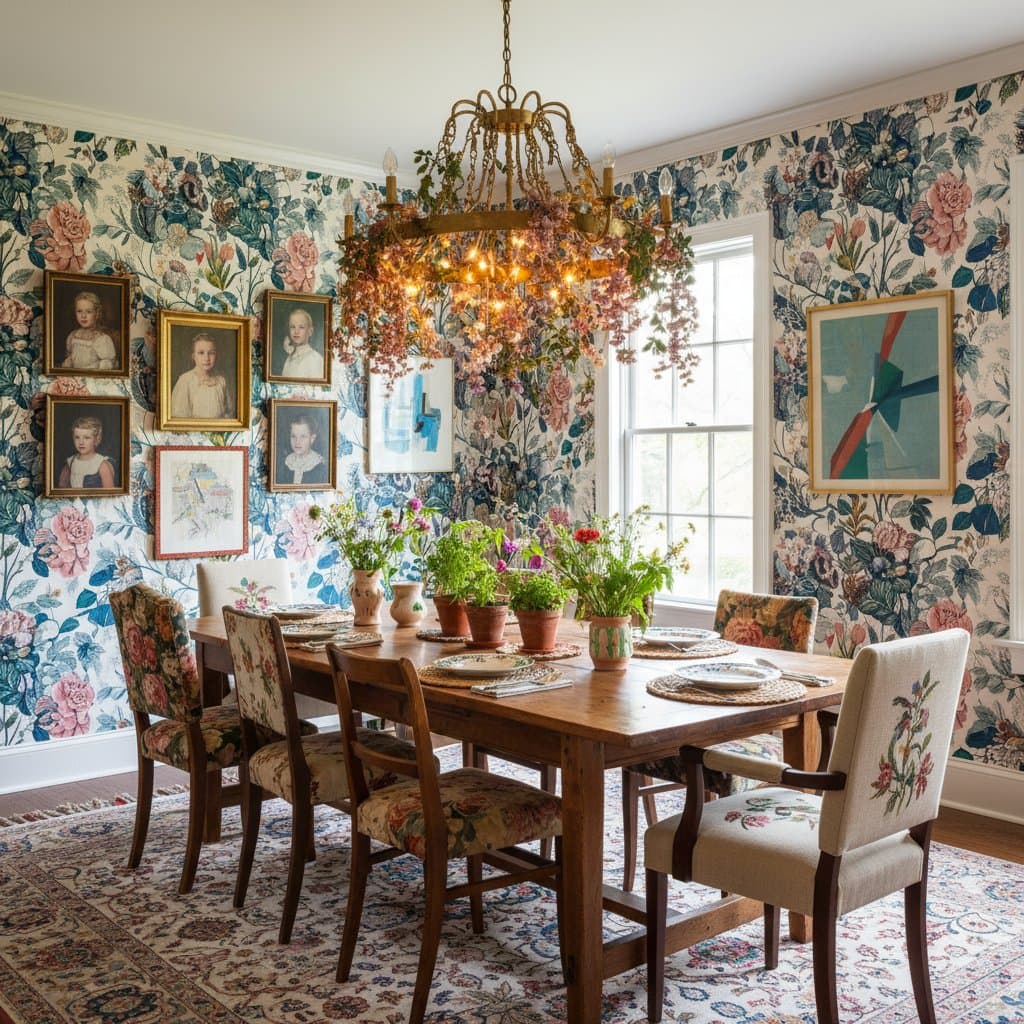
Flexibility defines the appeal of this design movement. Gen Z dining areas avoid rigid historical recreations. They integrate vintage sentiment with current functionality, such as placing floral wallpaper next to sleek wall lights or centering a clear glass table amid chairs covered in diverse patterns. Effective design relies on thoughtful juxtaposition rather than exact imitation.
Design consultant Ethan Moore recommends gradual incorporation for newcomers. "If you are hesitant, begin with textiles," he suggested. "A floral runner or chair cushion adds character without dominating the room. Once you get comfortable, you can layer in bolder elements like wallpaper or patterned curtains."
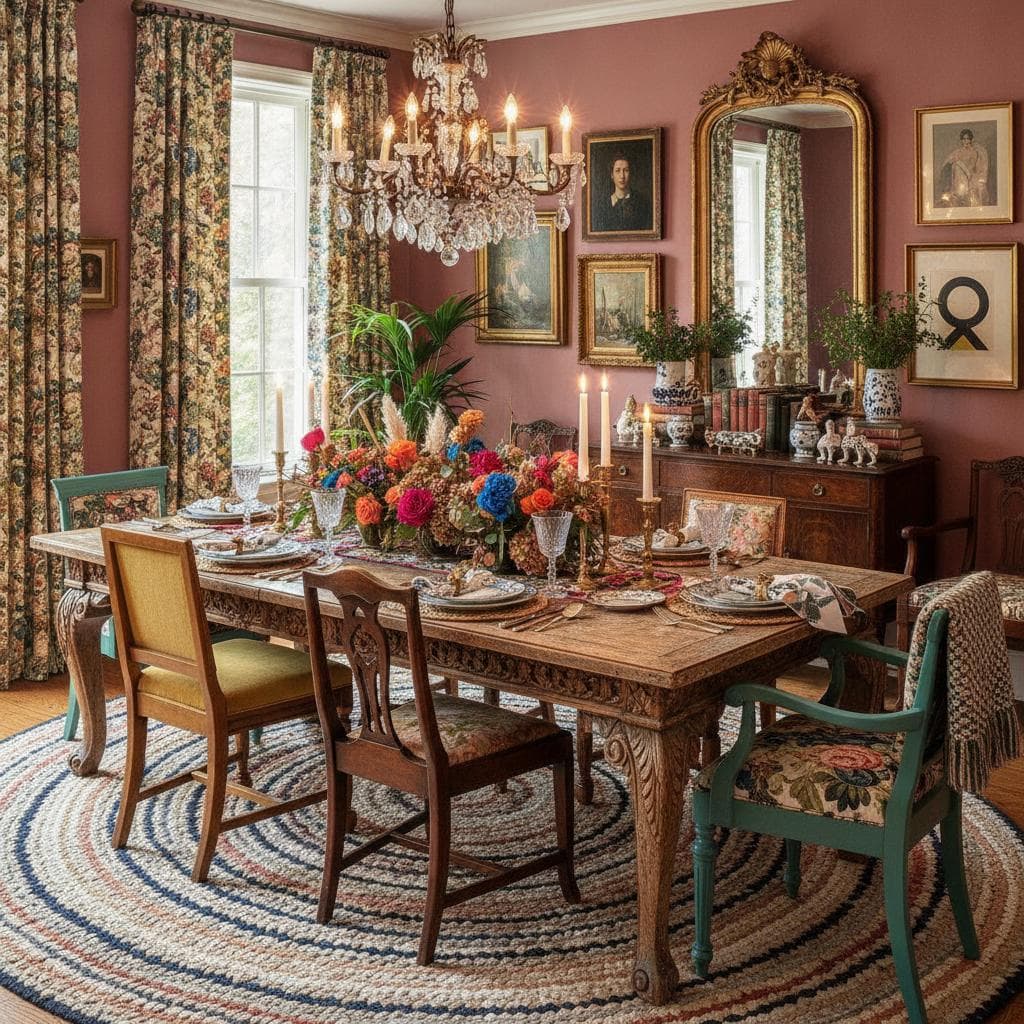
Contemporary color choices diverge from earlier preferences for muted pastels. Bold shades like deep emerald, vibrant coral, and warm ochre complement classic floral designs, infusing energy into spaces that might otherwise evoke mere sentimentality.
The Dining Room as Performance Space
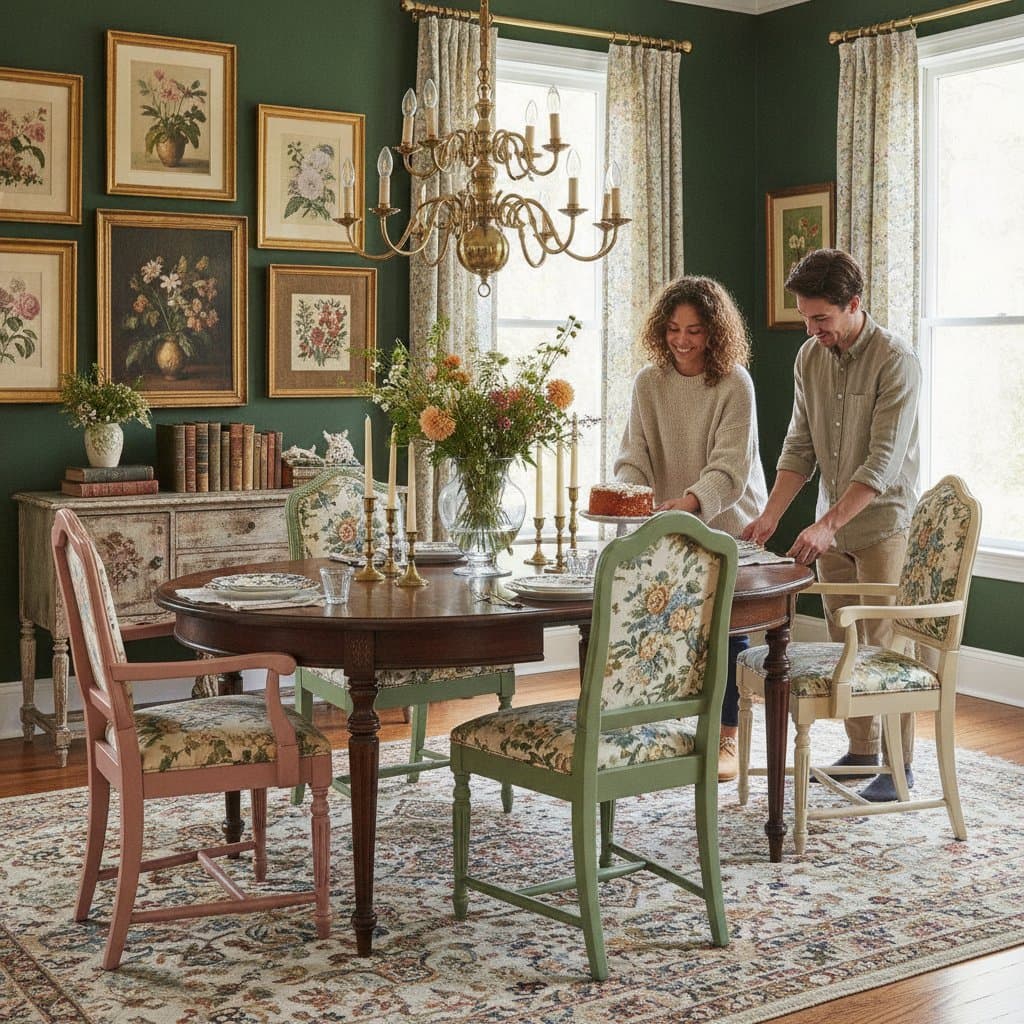
Beyond visual elements, this trend serves a social purpose. It restores intentionality to meals in a time when many eat while working on computers. Preparing a floral-adorned table signals investment in relationships and shared experiences, elevating routine dinners to memorable gatherings.
View the dining room as a stage for domestic theater, with the host directing the scene. Every plate, candle placement, and fabric choice advances the narrative. The outcome feels immersive, blending aesthetic choices with heartfelt connections.
Practical Ways to Bring It Home
Incorporate grandmillennial dining elements into your home without disrupting the overall balance:
- Select one focal item. An accent wall with floral wallpaper or a boldly patterned tablecloth sets the mood effectively.
- Diversify textures. Pair shiny ceramics with natural materials like wicker, brass accents, or wooden elements to add depth.
- Coordinate patterns thoughtfully. Anchor multiple designs with a unifying color scheme to maintain cohesion.
- Incorporate family artifacts. Display framed heirloom linens or vintage teacups to infuse personal significance.
- Prioritize durability. Opt for machine-washable fabrics and resilient surfaces so style supports daily life.
These strategies suit various settings, from spacious homes to compact rentals with restrictions on alterations.
Crafting Your Floral Narrative
Grandmillennial dining transcends imitation of bygone styles. It involves fresh interpretations infused with wit, innovation, and introspection. A floral arrangement on the table might stand alongside abstract wall art or a vinyl player providing background music.
As Gen Z influences broader tastes, this floral resurgence highlights a redefined notion of elegance. Emphasis shifts from flawless execution to distinctive character. The dining room evolves into a dynamic collection of sensory details, cherished moments, and communal rituals.