Wildflower Meadows: Embracing the Cottage Core Lawn Transformation
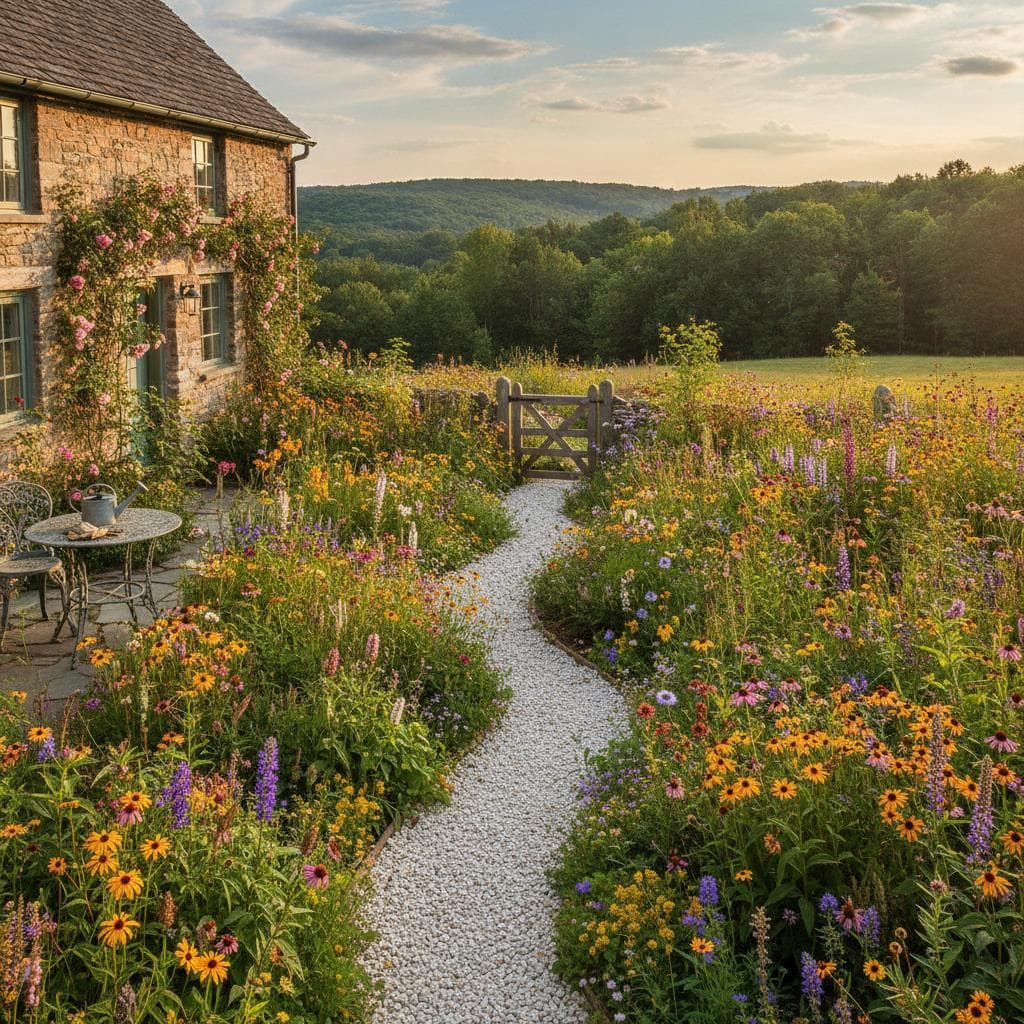
When morning sunlight illuminates a field of wildflowers, the result resembles a scene from a classic period drama. Bees buzz among the blooms, petals sway gently in the breeze, and the atmosphere pulses with life. This natural allure aligns perfectly with the cottage core aesthetic, prompting homeowners to reconsider the role of a traditional lawn. Rather than pursuing the uniform lines of closely cropped grass, many now envision a dynamic meadow that embodies spontaneity, sustainability, and visual drama.
Essential Benefits of Wildflower Meadows
- Wildflower meadows serve as a low-maintenance alternative to traditional lawns, demanding far less time and effort from homeowners.
- These landscapes draw in pollinators such as bees and butterflies, bolstering local ecosystems while minimizing the need for water and chemical treatments.
The style resonates with the cottage core philosophy, which prioritizes nostalgia, harmony with nature, and a deliberate pace of living.
Proper seed selection and seasonal maintenance enable meadows to flourish across multiple years, providing enduring beauty.
Moving Beyond Manicured Ideals
The impeccably edged suburban lawn long represented discipline and achievement. That archetype now appears antiquated amid growing emphasis on genuineness and ecological awareness. The transition to wildflower meadows mirrors broader societal changes, favoring outdoor areas that reflect individual character over polished uniformity. Such a meadow conveys narratives of perseverance, rejuvenation, and a deep bond with the environment.
Platforms like social media have accelerated this evolution. Clips depicting individuals sowing seeds over irregular terrain, followed by the gradual appearance of flowers, capture a subtle defiance of overly refined garden designs. The charm stems from inherent variability; every meadow develops uniquely, influenced by regional soil composition, climatic patterns, and the gardener's intuitive choices. This unpredictability fosters a sense of discovery, turning the yard into an evolving canvas.
Ecological Foundations of Wildflower Appeal
Beyond their aesthetic value, wildflower meadows function as vital micro-ecosystems. They provide habitat and nectar sources for bees, butterflies, and other beneficial insects, which play crucial roles in pollination and biodiversity. The extensive root systems of native wildflowers enhance soil stability, improve water retention, and substantially decrease irrigation requirements when compared to conventional turf grass. Eliminating routine mowing and synthetic fertilizers further reduces environmental impact and household expenses.
Specialists advise selecting seed mixtures tailored to specific geographic areas for optimal results. Native plants excel in these settings due to their adaptation to prevailing conditions, including temperature fluctuations and soil types. Popular choices encompass black-eyed Susan for its golden petals, purple coneflower for resilience against drought, coreopsis for prolonged blooming, and clover for nitrogen fixation that enriches the soil. Incorporating a balance of annuals, which offer quick color, and perennials, which ensure longevity, sustains visual interest from spring through autumn. Over time, this diversity allows the meadow to mature and adapt naturally.
Steps to Establish Your Wildflower Meadow
Establishing a wildflower meadow requires thoughtful preparation, yet the method remains straightforward for most gardeners.
- Clear the site. Eliminate existing grass and weeds through manual removal, solarization with clear plastic sheeting, or organic herbicides to prevent competition.
- Select appropriate seeds. Opt for regional blends that account for your zone's hardiness, soil pH, and exposure to sunlight, ensuring compatibility with local wildlife.
- Sow the seeds. Distribute them uniformly across the prepared surface at the recommended rate, typically one to two ounces per thousand square feet, then tamp down lightly with feet or a lawn roller for soil contact.
- Initiate watering. Maintain consistent moisture without saturation until germination occurs, usually within 7 to 21 days, then taper to natural rainfall.
- Allow establishment. Dedicate the initial season to root growth; expect modest flowering in year one, with robust displays emerging in subsequent years.
Maintenance proves simple post-establishment. A single annual mowing in late winter or early spring redistributes seeds and removes debris, while occasional weeding preserves balance. Avoid over-fertilizing to encourage native resilience.
Integrating Meadows into Daily Life
Adopting a wildflower meadow alters the cadence of residential routines. Time once devoted to frequent lawn care shifts toward mindful appreciation of blooming cycles and visiting creatures. The fluid dance of stems in the wind offers an organic spectacle, transforming the space into a narrative woven from botanical elements.
As cottage core principles shape contemporary aesthetics and habits, wildflower meadows transcend mere horticultural fads. They embody a commitment to ecological stewardship, illustrating that true elegance flourishes through restraint and trust in natural processes. Homeowners who embrace this approach not only enhance their surroundings but also contribute to broader conservation efforts, fostering yards that sustain both people and planet.