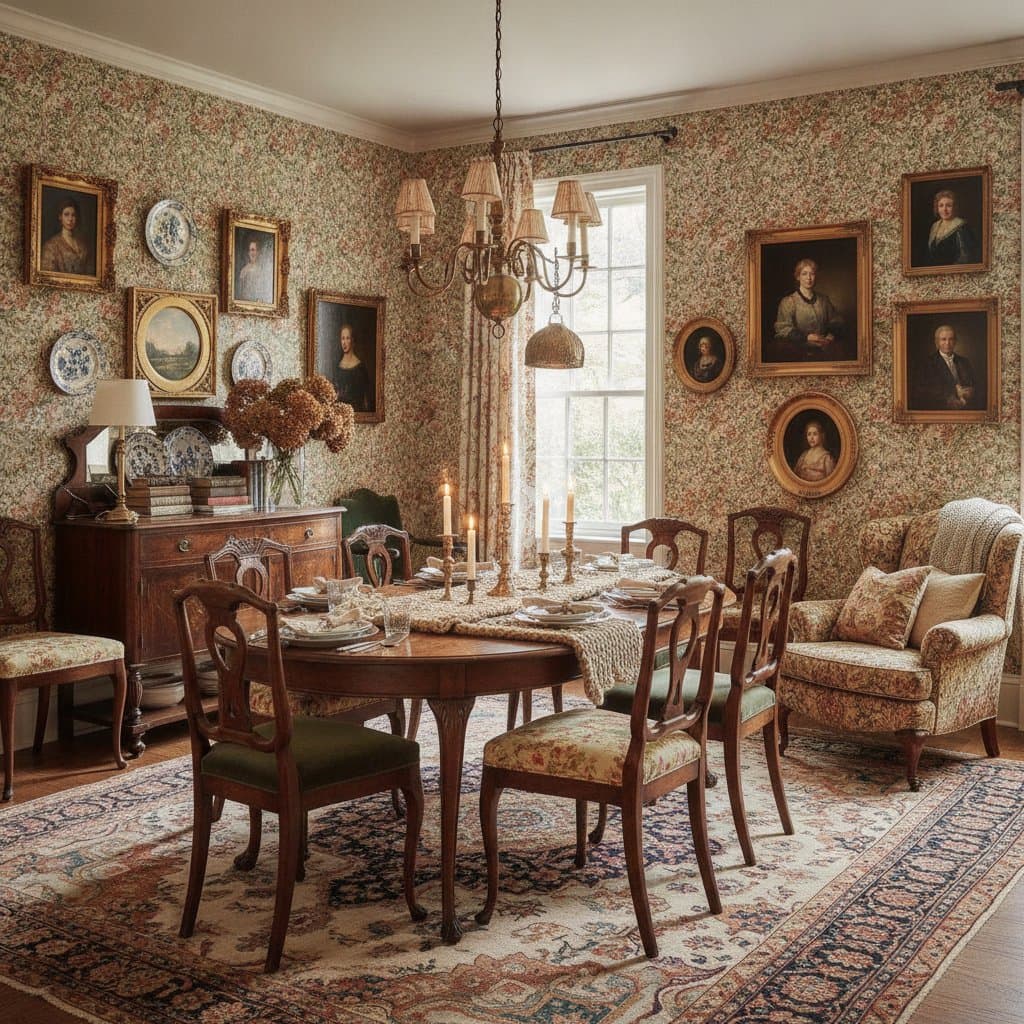
Art Meets Function: Acoustic Panels for Dining Peace
One has likely experienced the frustration of sitting at the dinner table, struggling to hear the person seated across from them. Hard surfaces such as glass, tile, and drywall reflect sound waves, creating persistent echoes that disrupt conversation. Homeowners often add furniture, rugs, or lighting to enhance warmth, yet acoustics remain the key factor in achieving true comfort within a dining space. The misconception that acoustic solutions require unsightly foam or studio-like treatments no longer holds; modern options integrate seamlessly with elegant design.
Understanding Poor Acoustics in Dining Rooms
Dining rooms frequently suffer from excessive noise due to design priorities that emphasize aesthetics over sound control. Contemporary layouts often feature open plans, high ceilings, and abundant hard materials, which amplify every clink of cutlery, clatter of plates, and burst of laughter. Sound waves strike these surfaces and rebound, layering reflections that transform a lively gathering into auditory chaos. This issue may remain subtle during quiet meals but intensifies with guests, leading to fatigue.
How Acoustic Panels Function
Acoustic panels work by absorbing sound energy rather than allowing it to reflect. Constructed from dense cores such as mineral wool or specialized foam, they are typically encased in fabric. Upon impact from sound waves, the energy dissipates as minimal heat within the material, preventing echoes and promoting clearer audio.
These panels differ from soundproofing methods, which aim to isolate noise between spaces. Instead, they manage internal acoustics, enhancing dialogue without altering external sound transmission. For concerns like external traffic or neighbor disturbances, alternative strategies apply; however, for conversational clarity in dining areas, panels provide an effective solution.
Preparing for Installation
Begin by assessing the room's acoustic challenges. During a simulated dinner, move around the space and identify echo hotspots, such as near ceilings, walls, or glass elements. This evaluation guides targeted placement for optimal results.
Gather these essential tools:
- Tape measure for accurate dimensions of walls and ceilings
- Level to maintain straight alignment during mounting
- Stud finder for securing heavier, wood-framed panels
- Screws and wall anchors suitable for drywall or plaster
- Sturdy ladder for accessing ceilings
- Safety gear, including gloves and goggles, for cutting or drilling tasks
The project requires moderate skills. While mounting proves straightforward, achieving visual harmony demands careful planning. For those hesitant about altering finished surfaces, hiring a professional installer ensures efficiency, often completing the work in a few hours.
Selecting the Right Panels
Acoustic panels fall into two primary categories: fabric-wrapped for core performance and decorative art panels that merge absorption with visual appeal. Fabric-wrapped versions prioritize function, offering various solid colors to complement walls or ceilings. Decorative options incorporate printed images or textured designs, making them suitable for dining rooms where aesthetics matter.
Key selection criteria include:
- Thickness: Opt for one- to two-inch panels to capture mid-range frequencies common in conversations; thicker variants handle deeper bass if needed.
- Core Material: Mineral wool provides superior absorption compared to foam, though it adds weight and expense.
- Surface Finish: Select hues and patterns aligning with your decor; many brands support custom prints from personal photos or artwork.
- Mounting Options: Choose frames for picture-like hanging, or adhesive/magnetic systems for renter-friendly installation.
View panel selection as a blend of engineering precision and artistic choice, ensuring sound management enhances rather than detracts from the room's character.
Strategic Placement and Mounting Techniques
Random placement undermines effectiveness; strategic positioning maximizes impact. Target primary reflection points to distribute absorption evenly.
Prioritize these areas:
- Ceiling over the table: Suspended lightweight panels here reduce vertical echoes significantly; verify overhead-rated models for safety.
- Opposing walls: Parallel surfaces create back-and-forth bounces; covering one side often balances both.
- Room corners: These trap low frequencies; dedicated corner traps promote uniform sound.
Aim for 15 to 25 percent wall coverage to avoid over-dampening, which can muffle the space. In typical dining rooms, four to six medium panels suffice. Use painter's tape to outline positions, then evaluate from multiple viewpoints, treating the arrangement as intentional artwork.
Troubleshooting Installation Issues
If harshness persists post-installation, inspect uncovered reflective zones like glass doors or mirrors. Supplement with smaller panels or a table runner in absorbent fabric to refine absorption.
For uneven or cluttered appearances, arrange panels symmetrically or align with furniture edges. Uniform spacing enhances both aesthetics and acoustics.
Should panels sag or detach, verify anchor suitability for their weight. Reinforce with robust fasteners or French cleats for secure, professional results.
To counter an industrial aesthetic, encase panels in decorative fabric or canvas. Ensure coverings remain porous to preserve sound-trapping efficacy; avoid non-breathable materials like vinyl.
Engaging Professionals for Complex Setups
Open-plan dining areas or vaulted ceilings introduce variables beyond basic fixes. An acoustic consultant can conduct precise measurements and customize layouts for balanced results. Professional intervention proves essential for ceiling suspensions or lighting integrations, guaranteeing compliance with safety and fire standards.
Integrating Acoustics with Interior Design
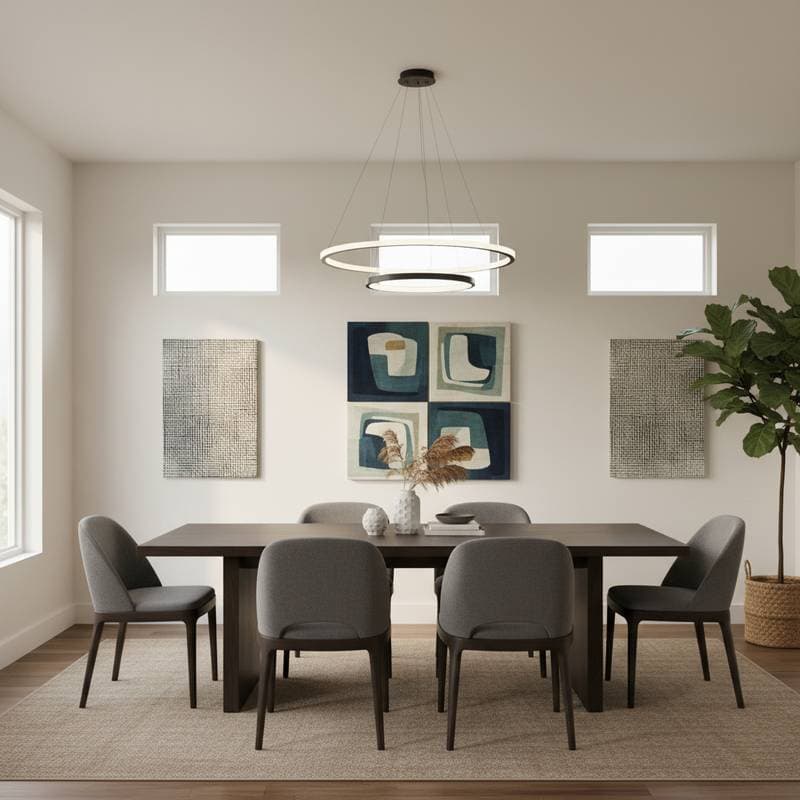
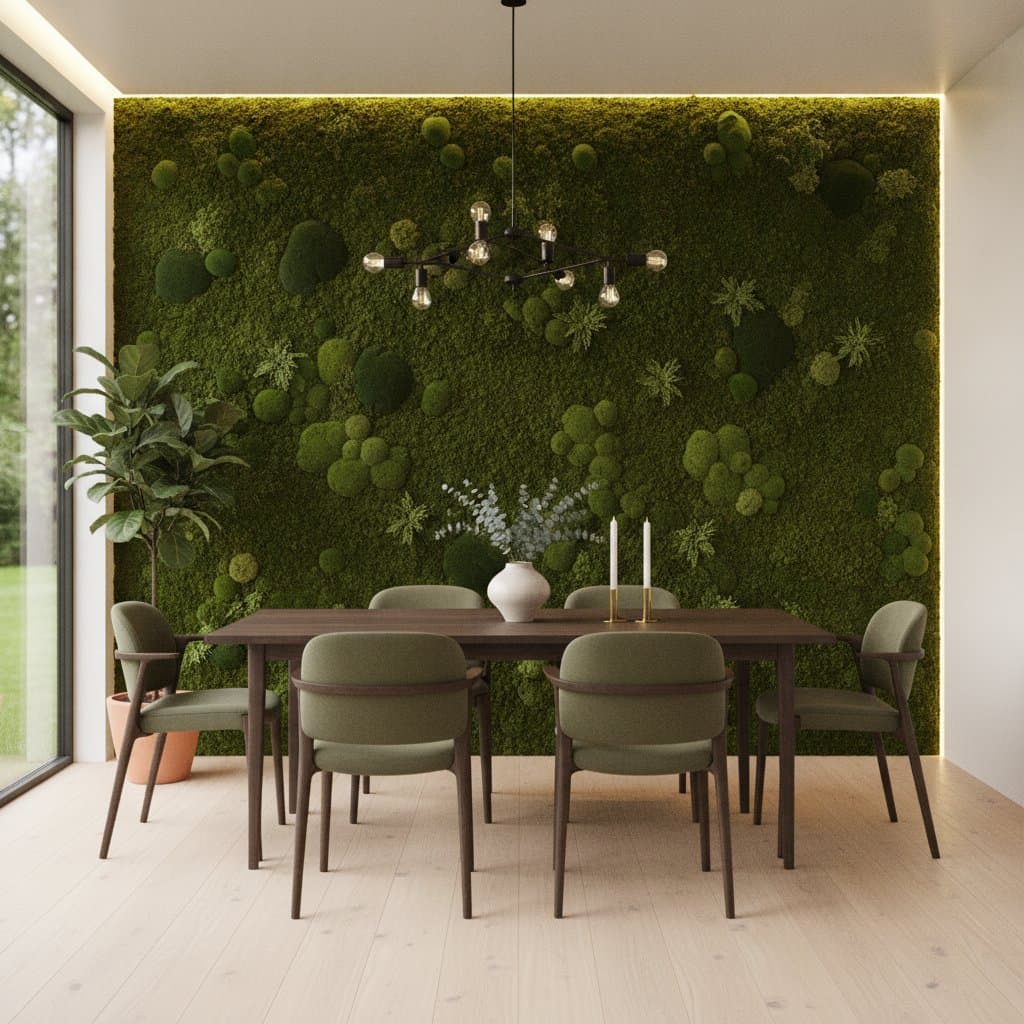
Seamless acoustic enhancements elevate the dining experience without drawing attention. Match panel fabrics to wall colors for understated blending, or cluster them into gallery-style displays for focal interest. Wood framing that echoes table or chair finishes adds cohesion.
Incorporate lighting strategically: wall-mounted fixtures or diffused overhead sources accentuate panel textures, fostering warmth. With echoes controlled, ambient music emerges crisp, and discussions flow naturally.
Realizing the Benefits of Balanced Acoustics
Implementing acoustic panels reconciles form and function, demonstrating that purposeful design extends to sensory comfort. Initiate with modest coverage, adjust based on auditory feedback, and observe transformations. A harmonized dining room cultivates meaningful exchanges, extending the appeal of acoustic refinements to other home areas like living rooms or offices.