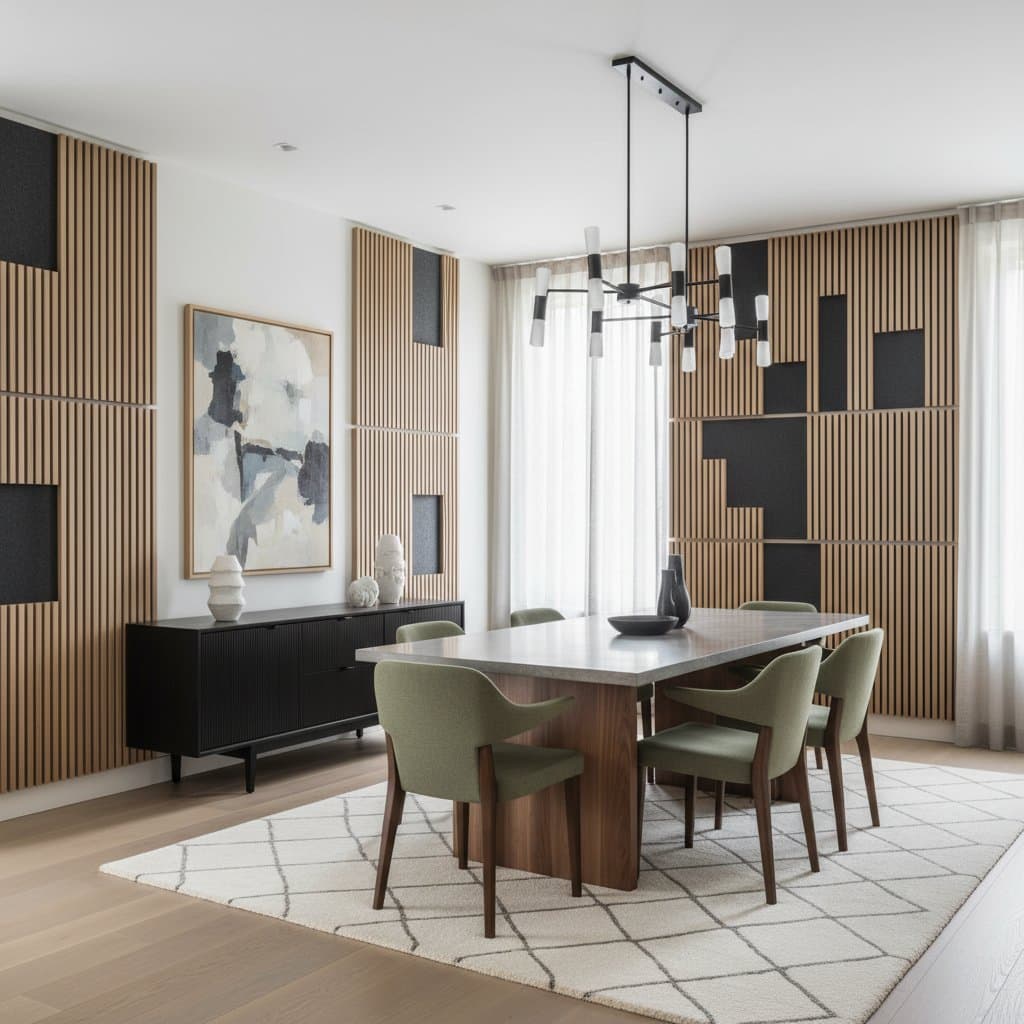
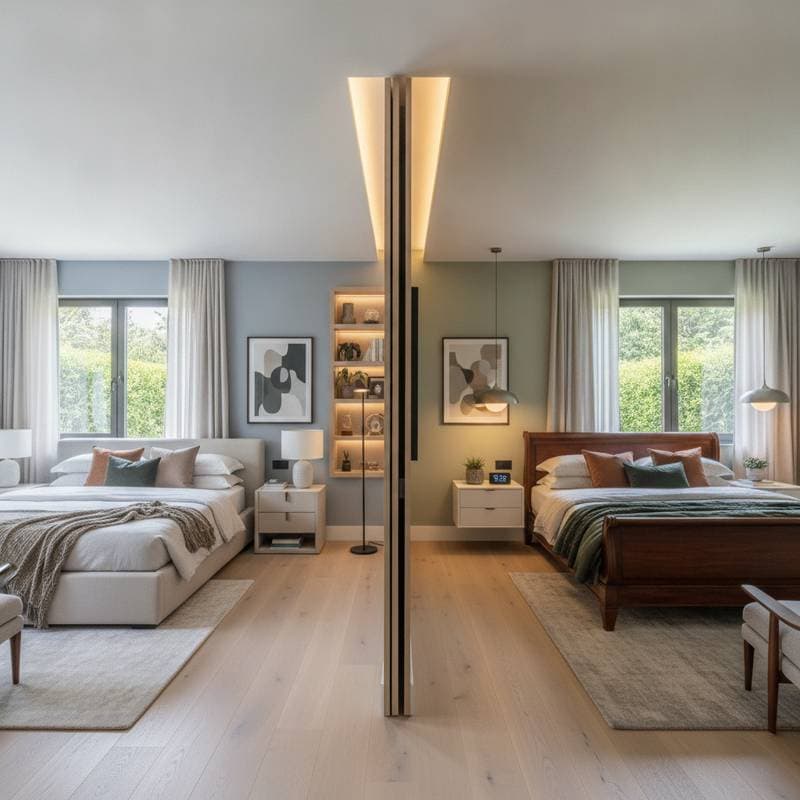
Why Acoustic Panels Transform Dining Room Aesthetics and Acoustics
Key Takeaways
- Contemporary acoustic panels feature refined, aesthetically pleasing designs that enhance dining environments.
- Optimal acoustics foster a more serene and engaging dining experience.
- These panels function as artwork, provide texture, or act as architectural accents.
- Installation choices include temporary adhesive options suitable for renters and permanent custom applications.
- Drawing from global design traditions, acoustic elements integrate visual appeal with auditory wellness.
- Practical maintenance ensures long-term performance and appearance.
The Role of Acoustics in Dining Design
Dining rooms serve as spaces for meaningful connections. However, many modern homes feature open floor plans, hard surfaces such as tile or hardwood floors, and sparse furnishings that intensify noise levels. Interior designer Clara Jensen notes, “When spaces include materials like wood, glass, and metal, sound waves reflect excessively. This creates echoes that disrupt even modest gatherings.”
Enhancing Family Dynamics Through Sound Control
In busy households, dining areas often resonate with overlapping noises from work discussions, children's voices, and kitchen activities. Introducing acoustic panels proved transformative in one home, where echoes previously overshadowed conversations. After installation, interactions became more focused and enjoyable, free from auditory distractions.
Many families underestimate the impact of acoustics, viewing it as a complex concern rather than a pathway to improved quality of life. Sound influences emotional states, concentration, and interpersonal bonds. A subdued dining environment promotes mindfulness during meals. For households with open layouts or young children, incorporating acoustic solutions yields noticeable improvements in daily comfort.
To implement this upgrade, assess noise sources first. Measure room dimensions to determine panel quantity, typically covering 20 to 30 percent of wall space for optimal absorption. Consult product specifications for fire ratings and material durability, ensuring suitability for high-traffic family zones.
Drawing from International Design Traditions
Various cultures have historically prioritized the interplay between sound and spatial harmony. Japanese architecture employs shoji screens and tatami mats to soften echoes subtly, creating introspective atmospheres. Scandinavian interiors rely on wool rugs, cushions, and timber elements that naturally dampen noise while preserving minimalist elegance.
During a residence in France, observations of rural stone homes revealed the use of heavy curtains and padded seating to tame resonances in expansive areas. In urban London settings, where functionality aligns with sophistication, acoustic panels disguised as abstract art have gained popularity in contemporary dining rooms. These examples illustrate a timeless principle: effective sound management enhances rather than detracts from aesthetic appeal.
Tailor choices to personal preferences. Modern enthusiasts may prefer slim, powder-coated metal panels with subtle perforations. Those favoring rustic charm can select linen-covered or basket-weave variants that add organic texture. Balance coverage with visual rhythm, spacing panels evenly to avoid overwhelming the space.
Practical Installation and Everyday Integration
Installing acoustic panels requires minimal tools and offers flexibility for different living situations. For renters, self-adhesive foam tiles attach directly to walls without residue upon removal. Homeowners might opt for mounted wooden frames filled with sound-absorbing cores, secured via screws or brackets for stability.
Begin by identifying high-echo zones, such as walls opposite windows or adjacent to kitchens. Clean surfaces thoroughly before application, and follow manufacturer guidelines for adhesive curing times, often 24 hours. Professional installation suits complex custom designs, ensuring precise alignment and integration with existing decor.
Once in place, panels contribute to a multisensory dining experience. Meals gain intention, background music achieves fuller tones, and dialogues proceed effortlessly. This fusion of style and silence elevates routine moments into cherished rituals.
Sustaining Acoustic Elegance Over Time
Acoustic panels demand straightforward care to preserve their efficacy and appearance. Use a soft brush vacuum attachment weekly to remove surface dust. Spot-clean fabrics with mild soap solutions, testing inconspicuous areas first to prevent discoloration.
Most panels resist fading and accumulation, with durable finishes lasting a decade or more under normal conditions. Rotate placements periodically if traffic patterns shift, maintaining even wear. As benefits become evident, consider extending applications to adjacent areas like entryways or studies for cohesive home-wide tranquility.
Ultimately, acoustic enhancements transcend mere decoration or noise reduction. They cultivate spaces that nurture relationships and well-being. A dining room that captivates visually and soothes audibly fulfills design's core purpose: enriching everyday life.