Understanding Swedish Death Cleaning
Swedish Death Cleaning, known as döstädning in its native language, originates from the minimalist ethos of Scandinavian culture. Popularized by author Margareta Magnusson in her book The Gentle Art of Swedish Death Cleaning, this practice encourages individuals to sort through possessions with the future in mind. The core idea focuses on removing unnecessary items to create a lighter, more intentional existence for oneself and heirs.
Unlike abrupt spring cleanings, this approach unfolds gradually over months or years. Practitioners reflect on each object's value, asking whether it brings joy or serves a purpose. This reflective process transforms routine tidying into a profound exercise in self-awareness and legacy building.
The Philosophy Behind the Practice
Benefits for Personal and Family Life
Engaging in Swedish Death Cleaning yields immediate and enduring advantages. On a personal level, it reduces daily stress by streamlining environments, making routines more efficient. A decluttered home fosters clarity of mind, allowing space for hobbies, relationships, and rest.
For families, the practice prevents the emotional and logistical strain of sorting through estates after a loss. Heirs avoid sifting through decades of forgotten items, which can prolong grief. Instead, they inherit a curated collection that reflects the deceased's values and stories.
Health benefits emerge as well. Less clutter minimizes dust and allergens, supporting physical wellness. The process also encourages digital decluttering, such as organizing files and photos, which extends the practice into modern life.
Step-by-Step Guide to Getting Started
Begin Swedish Death Cleaning by setting realistic goals. Choose a specific area, like a closet or garage, to avoid overwhelm. Allocate dedicated time each week, starting with 30 minutes to build momentum.
Step 1: Assess and Categorize
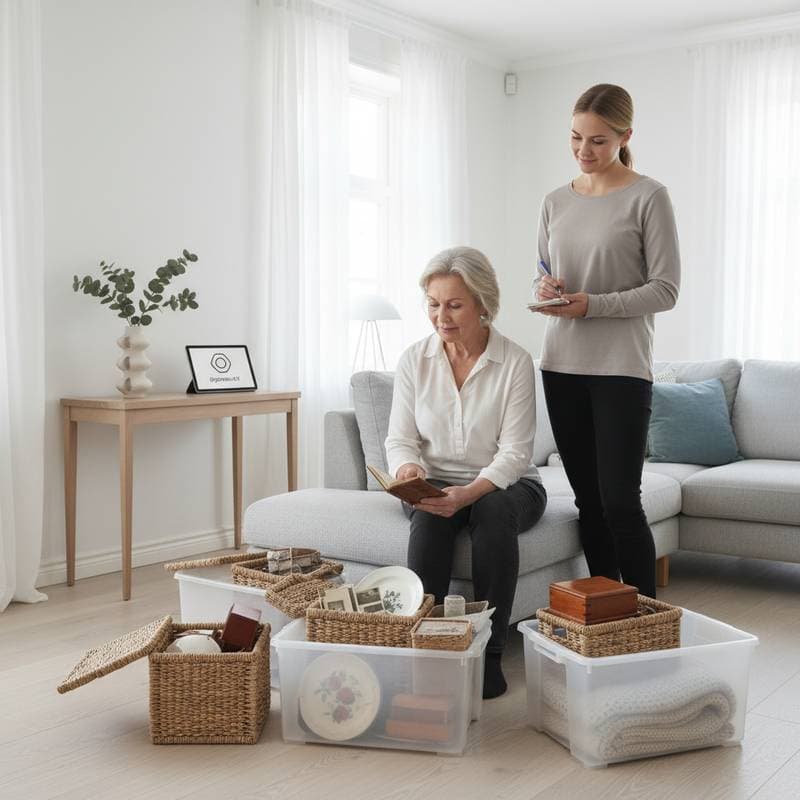
Examine items one category at a time, such as clothing, books, or paperwork. Ask three key questions: Do I use this regularly? Does it spark joy or utility? Would my loved ones want or need it? Label items into keep, donate, recycle, or discard piles.
Separate sentimental objects for later review. This prevents rash decisions while maintaining progress. Document stories behind cherished pieces through notes or photos to preserve memories without physical bulk.
Step 2: Declutter with Intention
For keepers, find proper storage to maintain order. Donate usable goods to charities or friends who appreciate them. Recycle materials responsibly, and dispose of the rest through local services.
Address paperwork by digitizing important documents and shredding outdated ones. For heirlooms, consider gifting them now to living relatives, sharing the joy while you witness their reactions.
Step 3: Maintain the System
Once initial sorting concludes, implement habits to prevent re-accumulation. Regularly review possessions quarterly, applying the same reflective questions. Integrate the practice into life transitions, like moving or seasonal changes.
Involve family members early to discuss preferences. This collaborative approach strengthens bonds and ensures the process aligns with collective values.
Practical Tips for Success
Start small to build confidence; a single drawer can yield quick wins. Use tools like labeled boxes for organization during the process. If emotions surface, pause and journal to process feelings before continuing.
Consider professional help for large estates, such as organizers specializing in senior transitions. Track progress with a simple log to celebrate milestones and stay motivated.
Adapt the method to your stage of life. Younger individuals might focus on preventing future clutter, while those in later years prioritize legacy items.
Embracing a Lasting Legacy of Simplicity
Swedish Death Cleaning ultimately cultivates a life of purpose and peace. By letting go of the superfluous, individuals make room for what truly enriches existence. This practice not only simplifies surroundings but also deepens connections with others.
As you embark on this journey, recognize it as an ongoing commitment to mindful living. The result extends far beyond tidy spaces, creating a legacy of thoughtfulness that endures.