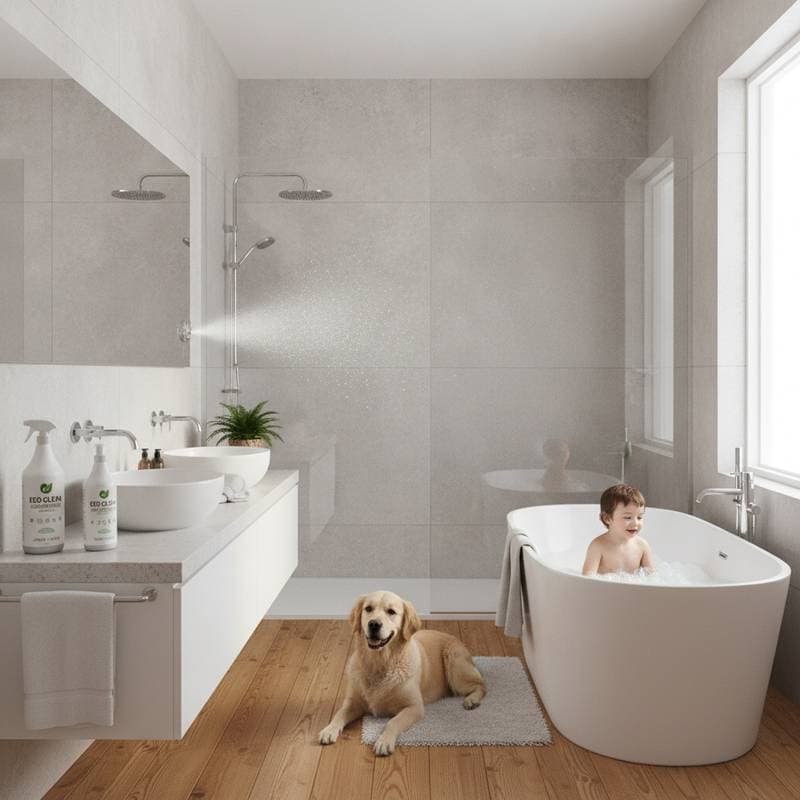
Japandi Bathrooms: The Rise of Zen Minimalism in 2026
The essence of a Japandi bathroom lies in its ability to evoke peace amid daily routines. This design philosophy draws from Japanese wabi-sabi principles of imperfection and transience, combined with Scandinavian hygge's emphasis on comfort and well-being. As urban living intensifies, Japandi emerges as a counterbalance, creating spaces that prioritize mental clarity and environmental harmony. By 2026, this style dominates interior trends, influencing everything from high-end resorts to residential renovations worldwide.
Key Takeaways
- Japandi bathrooms integrate Japanese restraint with Scandinavian practicality for timeless appeal.
- Organic textures, neutral hues, and streamlined arrangements form the foundation.
- The approach cultivates serenity, efficiency, and mindful habits in personal spaces.
It adapts seamlessly to expansive estates or urban studios.
Emphasis on eco-friendly sourcing and artisanal quality underscores the movement.
Essential Components of Japandi Bathroom Design
1. Organic Materials for Tactile Authenticity
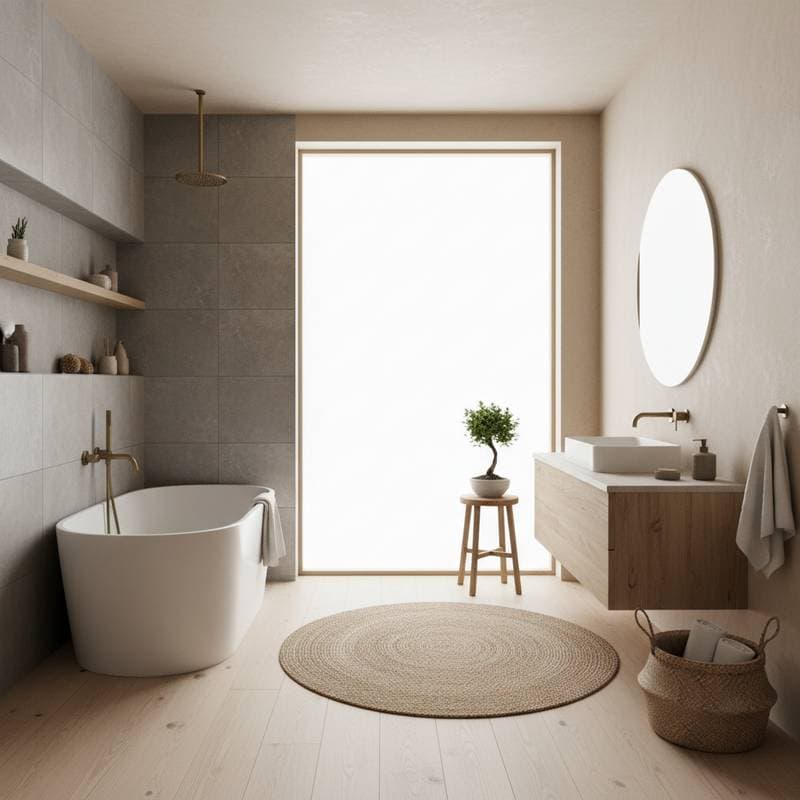
Japandi bathrooms favor materials that echo the natural world, such as light ash wood, rattan, slate tiles, and linen accents. These choices provide subtle warmth and durability without overwhelming the senses. For instance, installing a teak soaking tub or cork flooring introduces grounding elements that age gracefully over time. Designers select these to promote a sensory connection, ensuring the space feels alive yet restrained. Reclaimed timber vanities or hand-thrown porcelain sinks add layers of character, highlighting the value of sustainable provenance.
2. Subdued Color Schemes for Visual Harmony
A palette of soft beiges, cool grays, warm ivories, and hints of sage green anchors Japandi aesthetics. These colors draw inspiration from misty forests and snowy vistas, promoting a restful atmosphere. Layering analogous shades, such as pairing linen-white walls with taupe grout, expands perceived space in compact areas. In larger bathrooms, this restraint prevents visual fatigue, allowing fixtures to stand out subtly. The result is a cohesive environment where light plays gently across surfaces, enhancing the overall sense of equilibrium.
3. Streamlined Functionality Without Excess
Efficiency defines Japandi without sacrificing usability. Concealed cabinetry, wall-mounted fixtures, and recessed shelves maximize flow while minimizing visual noise. Consider integrating a slim console sink with integrated storage or underfloor heating for subtle luxury. This design ensures every element serves a purpose, from rain showerheads that mimic natural cascades to diffused LED strips that avoid harsh shadows. Adaptable to various layouts, these features transform bathrooms into intuitive zones that support both solitude and shared use.
4. Infusing Nature for Serene Vitality
Incorporating natural motifs bridges indoor and outdoor realms in Japandi bathrooms. Strategically placed ferns, river rocks on open shelves, or bamboo screens filter light and add organic rhythm. In Japanese-inspired setups, a compact zen garden tray near the faucet invites momentary reflection. Scandinavian influences appear through preserved eucalyptus bundles or pebble mosaics underfoot. These touches not only purify the air but also instill a profound sense of renewal, making the bathroom a portal to tranquility.
Worldwide Adaptations and Creative Inspirations
Japandi's versatility shines in diverse global contexts, evolving with local traditions. In Mediterranean villas, it pairs light birch cabinetry with deep ceramic tubs reminiscent of onsen baths. Australian architects blend it with coastal timbers and native succulents for sunlit retreats. Across Asia, urban dwellers in Singapore incorporate shoji-style partitions alongside underfloor radiant systems. In North American suburbs, the style aligns with biophilic design, using locally sourced quartz and vertical herb gardens.
This cross-cultural dialogue underscores Japandi's universal language of restraint. Professionals worldwide adapt it to climate and lifestyle, from humid tropics requiring moisture-resistant woods to arid regions favoring stone accents. The core remains: intentional choices that honor both heritage and innovation, proving the style's enduring relevance.
Bringing Japandi Principles to Your Bathroom
Transitioning to Japandi requires thoughtful, incremental changes rather than overhaul. Focus on elements that align with your routine for lasting impact.
- Assess and Purge. Inventory items and retain only essentials, creating space for intentional additions.
- Refine the Color Foundation. Select a core trio of earth-toned paints or tiles to unify walls, floors, and accents.
- Source Sustainable Fixtures. Opt for FSC-certified wood vanities or low-flow faucets in matte finishes.
- Layer Organic Textures. Introduce seagrass rugs, cotton throws, or etched glass panels for depth.
- Optimize Illumination. Install dimmable sconces with 2700K bulbs to replicate dawn's gentle glow.
- Integrate Living Elements. Position low-maintenance plants like peace lilies or air plants to breathe life into corners.
- Test and Adjust. Live with changes for a week, then refine for personal comfort.
Embracing Japandi fosters bathrooms that nurture well-being and reflect thoughtful living. These spaces become anchors of calm in fast-paced lives, where each detail contributes to a harmonious whole. The true reward emerges in quiet moments, as design aligns with the rhythm of daily restoration.