Key Advantages of Mycelium Tiles
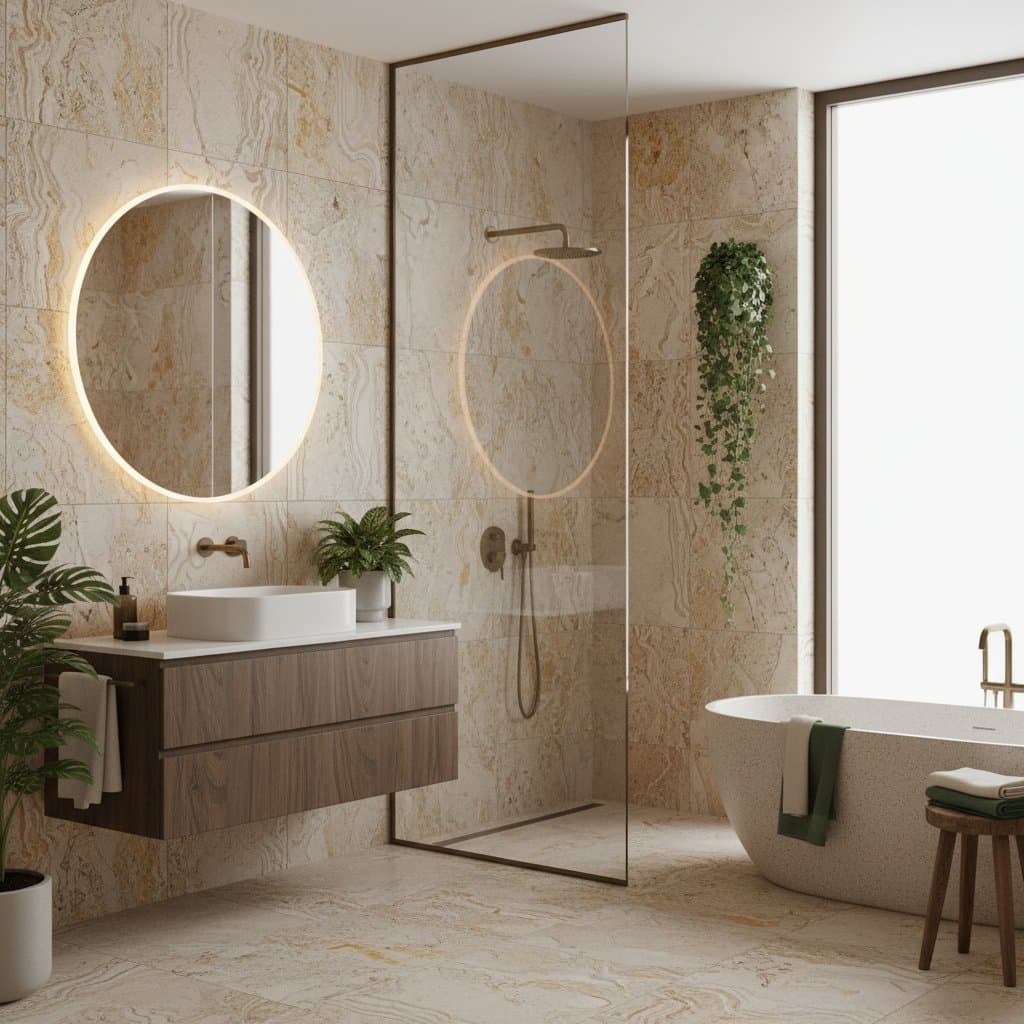
Mycelium tiles originate from the root-like networks of fungi, providing a renewable and non-toxic alternative to traditional ceramic or plastic options in bathrooms. These tiles combine inherent strength with appealing textures, and manufacturers apply specialized techniques to ensure water resistance suitable for high-humidity environments.
Proper sealing during installation enhances their longevity, matching the performance of conventional tiles. The production process reduces carbon emissions significantly and allows for complete breakdown in compost, making mycelium a vital choice for environmentally responsible bathroom updates.
Homeowners can introduce these tiles gradually, beginning with accent areas such as feature walls or countertop borders, then extending to full wet zones as confidence builds.
Understanding Mycelium Technology
Evaluating Suitability for Your Space
Before selecting mycelium tiles, assess your bathroom's specific conditions. Identify areas with high moisture exposure, such as shower surrounds or floors near bathtubs, which require tiles treated with heavy-duty sealants. For lower-risk zones like vanity backsplashes or decorative accents, standard finishes prove adequate.
Inspect the underlying surface for compatibility. Mycelium bonds best to flat, dry, and secure substrates, including cement backer boards or moisture-resistant plywood. Avoid flexible drywall or areas prone to ongoing dampness.
Consider ventilation quality, as poor airflow can lead to excess humidity and material breakdown. Ensure an effective exhaust fan or passive air circulation system maintains balanced indoor humidity levels.
Preparing for Installation
Essential Tools and Supplies
Gather the following items to facilitate precise work:
- Measuring tape and spirit level
- Notched trowel and mixing paddle
- Low-VOC or plant-derived adhesive
- Natural resin or wax-based sealant
- Tile spacers and grout float
- pH-neutral cleaner for maintenance
- Protective gloves and dust mask for cutting tasks
Prioritizing Safety and Sustainability
Mycelium materials present low health risks, but wear protection when cutting to minimize dust inhalation. Choose adhesives and sealants certified for low volatile organic compound emissions to maintain indoor air quality.
Confirm adherence to local building standards regarding water resistance and fire safety. Many green building codes now recognize bio-materials like mycelium as compliant options.
Timeline and Resource Planning
Plan for two to three days to cover preparation, application, and curing. Maintain a dry environment to prevent swelling. Coordinate tasks to temporarily isolate plumbing while prioritizing ventilation.
Step-by-Step Installation Guide
Preparing the Surface
- Clean the substrate thoroughly to remove dirt, residues, or old adhesives.
- Fill any uneven spots with eco-friendly leveling compounds.
- Install a vapor barrier membrane in high-moisture areas, such as around showers.
- Mark straight reference lines using a level to guide tile placement.
Spreading the Adhesive
- Apply adhesive in thin, even layers using the notched trowel.
- Work in small sections to prevent premature drying.
- Press tiles into place firmly, inserting spacers to maintain consistent joints.
Grouting and Final Sealing
- Once the adhesive sets, remove spacers and prepare grout, selecting flexible varieties like lime or resin-based formulas.
- Press grout into joints with a rubber float.
- Wipe away excess with a damp sponge and allow to cure.
- Apply a penetrating natural sealant to enhance water resistance and deepen colors.
Completing the Project
- Inspect joints for full coverage and smoothness.
- Reinstall fixtures carefully to avoid damaging tiles.
- Seal edges with flexible, bio-based caulk.
Verifying Installation Quality
Perform these checks to ensure a professional result:
- Alignment inspection: Verify tiles sit evenly with uniform spacing.
- Moisture test: Pour water on the surface and watch for beading; reseal if absorption occurs.
- Adhesion evaluation: Gently tap tiles to detect hollow sounds indicating voids; address as needed.
A successful installation features consistent coloring, secure bonding, and effortless water runoff.
Ongoing Care for Durability
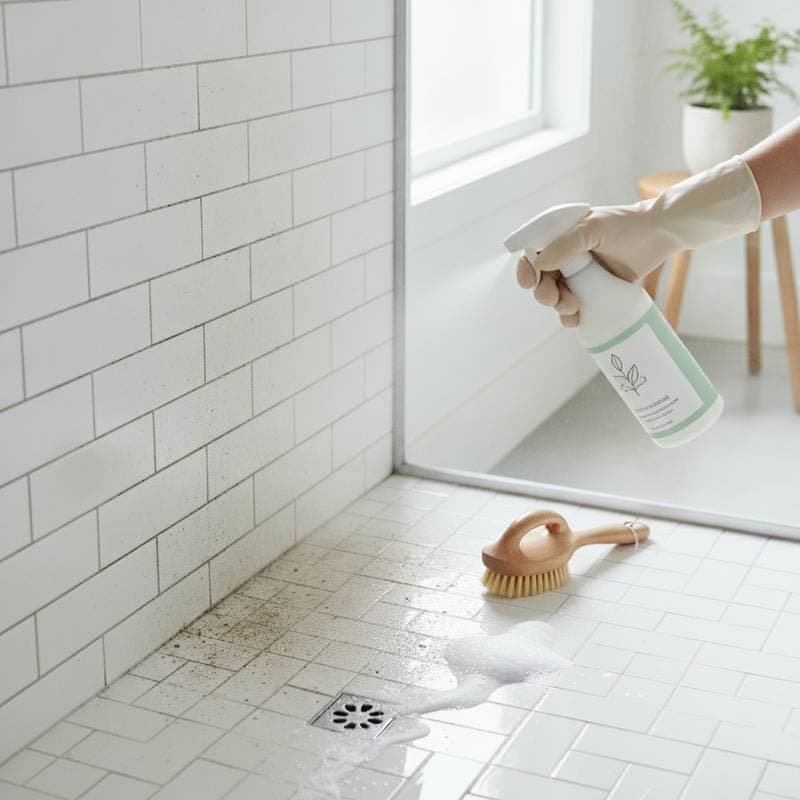
Maintain mycelium tiles similarly to natural stone, employing gentle cleaners and soft cloths for regular cleaning. Avoid abrasive tools or acidic substances that could erode protective layers.
Reapply sealants every six to twelve months, depending on usage. Inspect wear in busy areas often, and lightly sand then reseal to restore appearance.
The material's lifespan depends on these protective measures, with proper attention ensuring decades of reliable performance.
Broader Impacts on Environment and Style
Producing mycelium tiles avoids energy-intensive kilns and incorporates waste materials like crop husks or wood scraps, reducing overall emissions and waste.
Designers appreciate the organic textures and subtle variations that mimic handcrafted elements, integrating well into rustic, minimalist, or modern aesthetics.
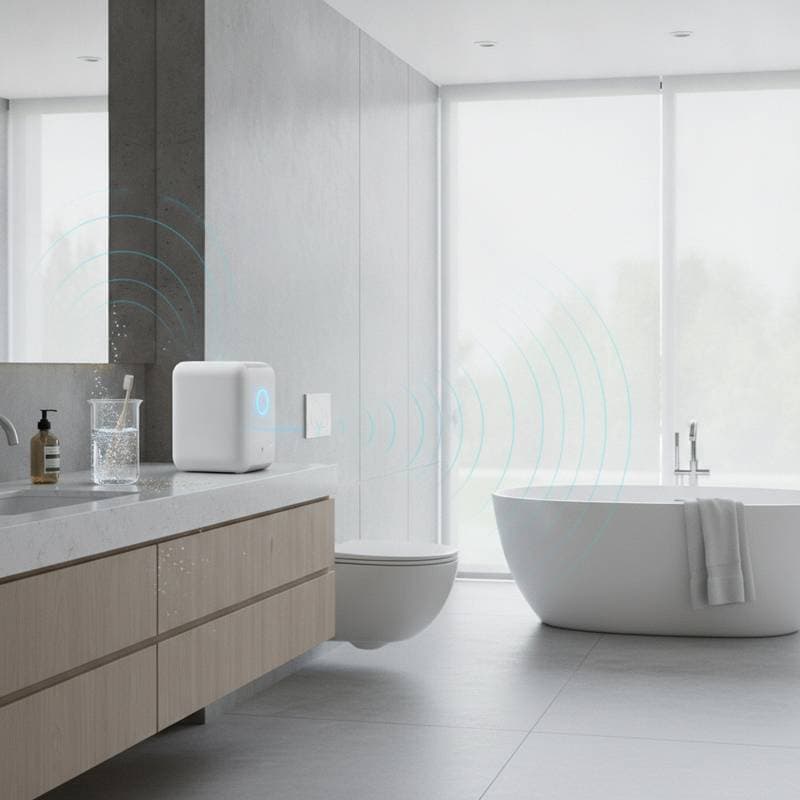
The tiles' subtle porosity also dampens sound, reducing echoes in bathrooms compared to harder surfaces and improving acoustic comfort.
Budgeting and Approach Options
Mycelium tiles carry a premium as an emerging product, but increased production may lower costs over time. Their environmental benefits often justify the investment for sustainability-focused individuals.
Skilled DIY enthusiasts can handle installations by following strict moisture controls. Beginners should start with small projects, such as backsplashes.
Consult professionals for complex waterproofing needs. Combining expert input with personal effort balances cost and quality effectively.
Expert Recommendations
- Store tiles in a cool, dry location before installation to prevent moisture absorption.
- Seal the backs and edges for enhanced protection in wet areas.
- Control room temperature and humidity during curing to avoid joint stress.
- Document product specifications for future reference.
- Pair with low-flow fixtures and energy-efficient lighting to maximize sustainability.
Extending the Benefits of Your Sustainable Choice
Consistent protection and cleaning routines not only prolong the life of mycelium tiles but also preserve the calming, nature-infused atmosphere of your bathroom. Follow these practices to sustain both environmental responsibility and aesthetic appeal over time.