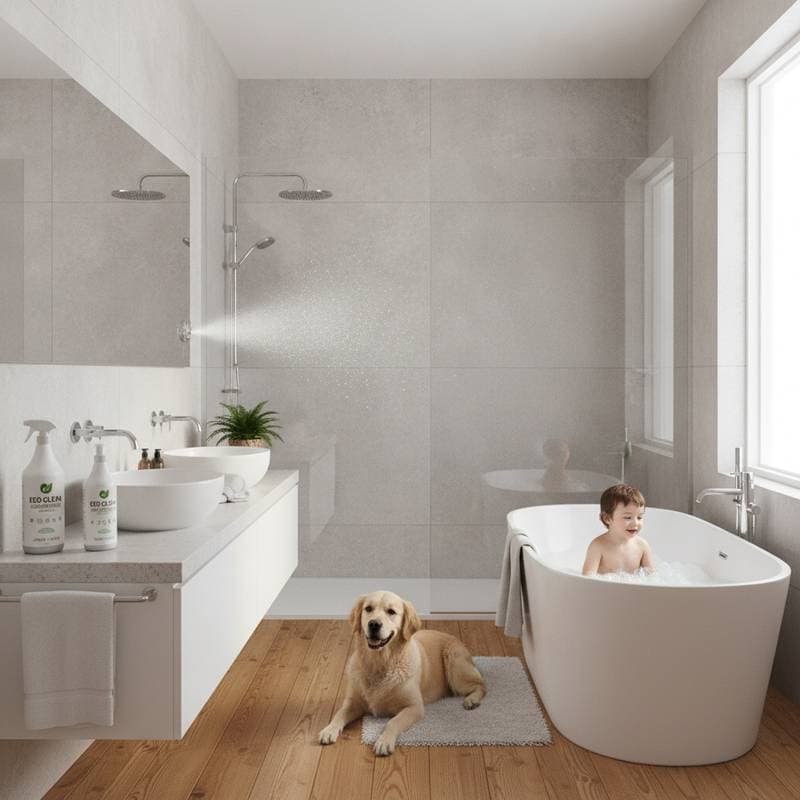
Groutless Tiles: Revolutionizing Bathroom Design and Maintenance
Bathroom tiles have long offered durability and style, yet the grout between them often undermines these benefits. Homeowners frequently face challenges with grout discoloration, mold growth, and constant cleaning demands. Groutless tiles address these problems by creating seamless surfaces that enhance both appearance and practicality.
This approach suits diverse settings, from historic homes to urban apartments. Designers increasingly recommend groutless options for their low-maintenance appeal and ability to maintain a fresh look over time. The following sections detail the drawbacks of traditional grout, available materials, and strategies for successful implementation.
The Drawbacks of Traditional Grout in Bathrooms
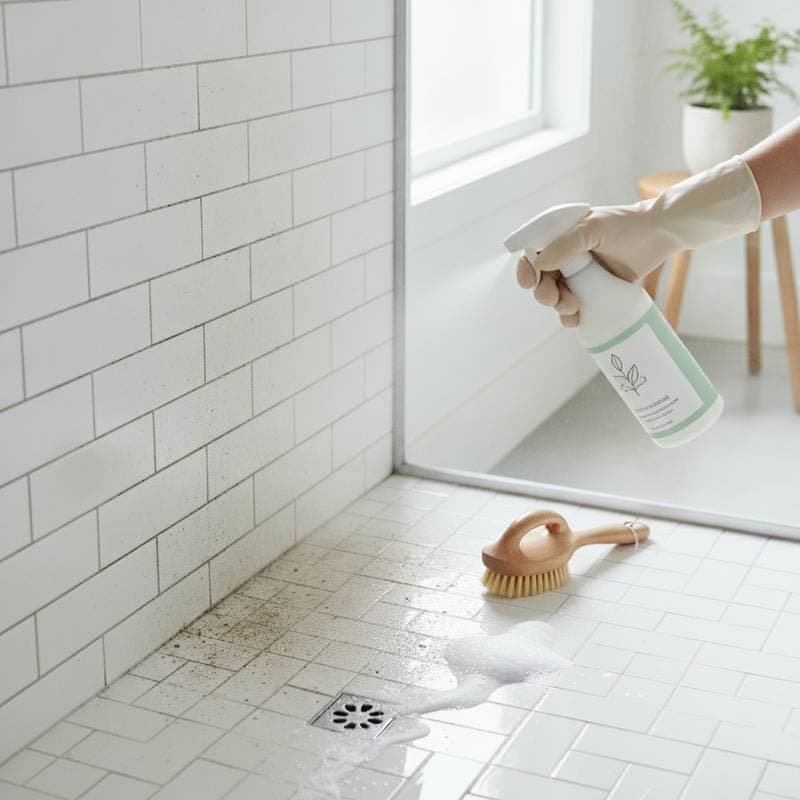
Grout serves as a necessary filler in tiled surfaces, but it poses significant issues in moist environments. Moisture absorption leads to mildew buildup and staining, which compromise hygiene and aesthetics. Cracks may develop due to structural shifts or temperature fluctuations, exacerbating these problems.
Exploring Groutless Tile Options
Several materials provide groutless solutions, each with unique properties suited to different needs and budgets. Selection depends on factors like space size, desired finish, and installation complexity. Below are key types to evaluate.
Large-Format Porcelain Slabs
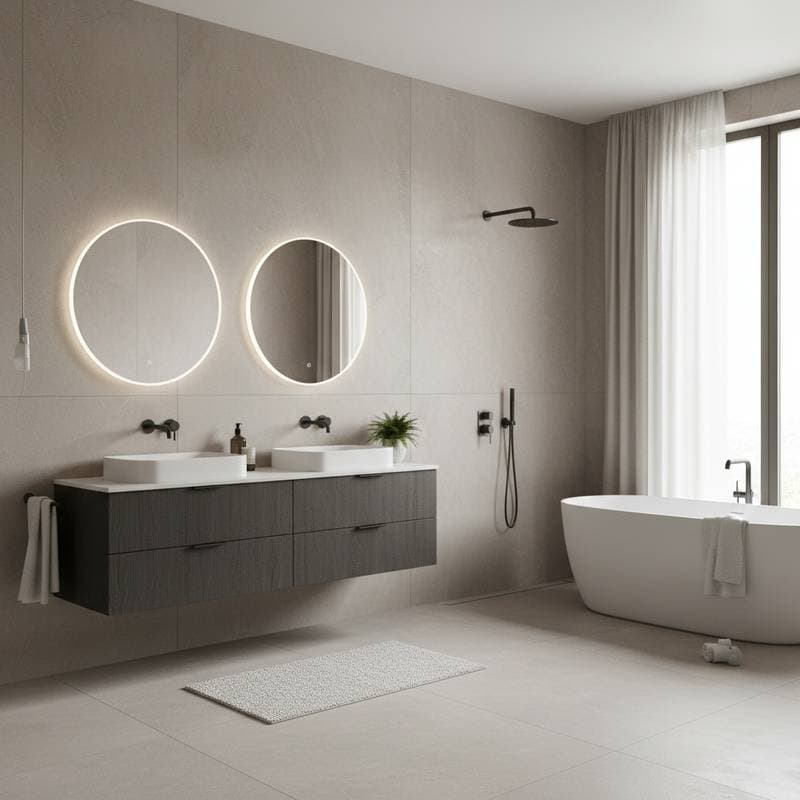
These slabs cover extensive areas with minimal joints, sealed using matching adhesives for a continuous appearance. Available in sizes up to full wall heights, they resist water and wear effectively. Finishes imitate natural stones such as marble or limestone, blending seamlessly with various decor styles.
In traditional settings like farmhouses, a limestone-effect porcelain preserves character without the upkeep of genuine stone. Durability ensures longevity, making this option ideal for high-traffic areas.
Acrylic and PVC Wall Panels
Affordable and straightforward to install, these panels adhere directly over existing surfaces, minimizing disruption. They offer lightweight construction and a variety of textures, from smooth gloss to stone simulations. Quick setup suits DIY enthusiasts or rental updates.
Family bathrooms gain from their resilience against spills and splashes. Cleaning requires only mild soap and water, preserving the material's integrity over years.
Solid Surface and Composite Panels
Engineered materials like Corian form seamless units, often incorporating sinks or shelves for integrated designs. Non-porous composition prevents bacterial growth and simplifies repairs through sanding. This versatility excels in contemporary or confined spaces.
Scratches blend away easily, extending usability in active households. The uniform surface promotes a sense of openness and flow.
Microcement and Resin Coatings
Applied as thin layers over substrates, these coatings achieve full seamlessness and waterproofing when sealed. Trowel application allows customization for subtle textures or bold colors. European projects frequently feature microcement for its spa-inspired warmth.
In older properties, it overlays uneven bases without demolition. The smooth tactility enhances comfort in showers and wet zones.
Maintenance Advantages of Groutless Surfaces
Groutless installations reduce cleaning demands significantly by eliminating porous lines where contaminants accumulate. Surfaces repel mold and stains, maintaining hygiene with basic care. This efficiency frees time for other priorities.
Daily routines involve wiping with a soft cloth post-shower to avoid spots. Mild, non-abrasive cleaners suffice for routine upkeep, avoiding damage to finishes.
Interior stylist Emily Fraser notes, "Groutless tiles retain their pristine condition for extended periods. Discoloration battles end, allowing focus on enjoyment rather than maintenance."
Periodic sealing for certain materials occurs infrequently, contrasting with grout's regular demands. Families report less chemical use and quicker sessions, improving overall satisfaction.
Key Factors for Successful Installation
Adopting groutless tiles requires planning to maximize benefits and avoid pitfalls. Initial costs exceed standard tiling due to material quality and labor needs. Specialized tools ensure precise fitting, particularly for large slabs.
Damage repair involves panel replacement rather than single tiles, though rarity offsets this. Ventilation and sealing prevent moisture issues, crucial in humid or aged structures.
Professional expertise proves essential for optimal results. Homeowners weigh these elements against long-term gains in convenience and durability.
Sustaining Your Groutless Bathroom
A completed groutless bathroom delivers ongoing rewards through its enduring cleanliness. Mornings greet users with immaculate surroundings, underscoring the design's forward-thinking nature.
Incorporate squeegee use after each shower to manage water residue. Select gentle cleaners to protect surface sheen, and inspect seals annually for integrity.
Balance sleek lines with elements like wood accents or fabric textures. These additions foster warmth without compromising the low-maintenance core.
Steps to Implement Groutless Tiles
Begin by assessing your bathroom's layout and usage patterns to select appropriate materials. Consult designers for tailored recommendations that align with your aesthetic goals.
Schedule professional installation to guarantee waterproofing and stability. Post-installation, establish care habits that preserve the investment.
This transition yields a space that combines sophistication with simplicity, elevating daily experiences.