
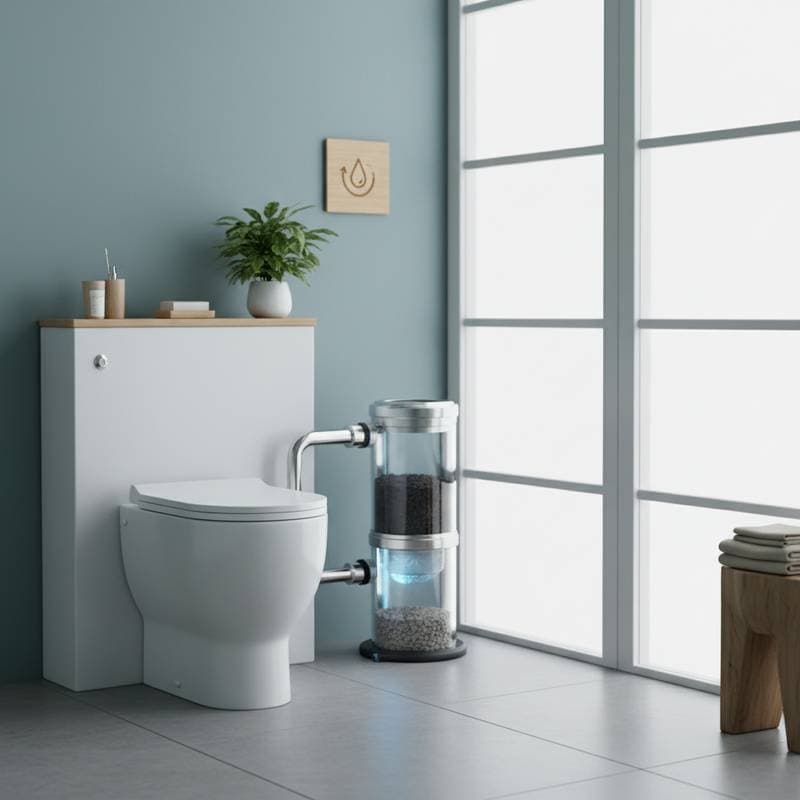
Why Waterless Toilets Suit Eco-Friendly Remodels
Experiences from rural life highlight the value of conserving water. Each drop drawn from a well demands effort in pumping, filtering, and upkeep. Homeowners today apply similar principles to modern remodels, where bathrooms often represent significant water consumption. Traditional flush toilets contribute substantially to indoor usage, particularly outdated units that guzzle resources.
Waterless toilets address this issue directly. They bypass flushing mechanisms to preserve thousands of gallons annually and free designs from rigid plumbing constraints. Property owners building off-grid structures, updating countryside homes, or aiming to minimize utilities find these solutions compelling.
Project Essentials
Installation Duration: Three to six hours, varying by model and ventilation demands.
Overall Timeline: One to two days, accounting for setup or curing phases.
Required Expertise: Intermediate level.
Cost Range: $900 to $3,500, influenced by model and add-ons.
Available Waterless Toilet Types:
- Composting Toilets: These rely on aerobic breakdown to convert waste into usable compost. They support closed-loop sustainability for residential applications.
- Incinerating Toilets: These devices incinerate waste to produce sterile ash via electric or propane power. They prove useful in settings unsuitable for composting.
Both categories diminish water expenses, ease septic burdens, and obviate costly plumbing modifications.
Deciding Between DIY Installation and Professional Assistance
Waterless toilet setup demands less complexity than comprehensive bathroom overhauls, yet requires deliberate execution. Individuals proficient in basic woodworking, ventilation, and simple wiring can manage composting unit placement independently.
Certain scenarios necessitate expert intervention:
- Roof or wall venting: Faulty installation risks odors or condensation accumulation.
- Power integrations: Incinerating models demand specific electrical circuits.
- Regulatory adherence: Local codes may impose rigorous standards for non-traditional waste management.
Projects incorporating plumbing alterations or greywater integration benefit from certified plumbers or specialists to guarantee safety and legality.
Required Materials and Tools
Materials:
- Selected waterless toilet (composting or incinerating).
- Ventilation piping and connectors.
- Manufacturer-recommended sealants or gaskets.
- Attachment hardware or support frames.
- Bulking agents such as peat moss, sawdust, or coconut fiber for composting units.
- Supplementary electrical components for fans or heating if needed.
Tools:
- Power drill with appropriate bits.
- Assorted screwdrivers.
- Reciprocating saw or hole cutter for ventilation ports.
- Spirit level and tape measure.
- Adjustable pliers and wrenches.
- Protective eyewear and gloves.
Additional items like silicone caulk and outdoor vent covers may apply based on the model. Consult the product manual for precise specifications on spacing, circulation, and waste management.
Detailed Installation Steps
1. Preparing the Site
Select a position facilitating vent routing and waste access. Composting units require space for bin removal. Outline the ventilation trajectory to sidestep beams and wiring.
Clear and level the surface. Most systems need a firm foundation to resist movement. Apply shims or a leveling agent if irregularities exist.
2. Establishing Ventilation
Effective venting ensures odor elimination. Orient pipes vertically for composting toilets to promote natural draft. Minimize angles that could impede flow or collect moisture.
Create the aperture in the ceiling or wall with a saw. Insert the pipe securely and fasten with supports. Apply sealant around penetrations to block drafts.
3. Securing the Toilet
Align the unit over the prepared area, matching vent alignments. Fasten the base per instructions using supplied hardware. Verify level placement to distribute waste evenly in composting compartments.
Incinerating models mandate adherence to heat clearance guidelines from walls and floors for operational safety.
4. Connecting Power or Fuel Sources
Link fans, heaters, or burners to utilities as directed. Employ suitable wiring and circuit protection to avoid faults. Propane variants need robust, exterior-grade lines with isolation valves.
Conduct thorough checks on all connections prior to operation. Engage qualified electricians or technicians if doubts arise.
5. Finalizing and Verifying Setup
Introduce initial bulking material into composting chambers to regulate humidity and initiate breakdown. Confirm fan functionality and airflow in the vent.
Run test cycles on incinerating units to validate ignition and ash collection.
With verification complete, the installation stands ready.
Ensuring Durability and Efficiency
Quality installation yields decades of service with routine care. Focus on steady practices to sustain performance.
Composting Unit Maintenance:
- Balance moisture levels; excess slows processes, deficiency stalls them.
- Incorporate aeration aids like sawdust post-use.
- Remove contents only after full maturation and absence of smells.
- Service vent filters and fans quarterly to clear obstructions.
Incinerating Unit Maintenance:
- Clear ash receptacles frequently for optimal circulation.
- Examine burners or elements for degradation.
- Remove debris from air intakes regularly.
Schedule yearly reviews of seals, mounts, and joints to avert issues.
Managing Costs Effectively
Initial expenses for waterless systems exceed those of conventional fixtures, but offsets occur through reduced infrastructure needs and utility savings. These benefits recoup investments progressively by alleviating plumbing expansions and water charges.
Implement these approaches to control spending:
- Opt for non-electric variants to eliminate wiring costs.
- Construct custom waste reservoirs for expansive rural installations.
- Source pre-owned or display models from sustainable vendors.
- Procure regional bulking materials over commercial products.
Prioritize durable designs with accessible servicing and superior odor management. Initial quality investments minimize future disruptions.
Integrating with Greywater Solutions
Waterless toilets manage blackwater by design exclusion. Combining them with greywater recycling from lavatories and showers amplifies conservation.
Repurpose greywater for landscaping, hybrid flushing, or soil absorption. In comprehensive remodels, coordinate layouts for synergy while segregating lines and complying with regulations.
This synergy fosters near-self-sufficient water cycles that uphold livability standards.
Upholding Safety and Hygiene
Contemporary waterless toilets pose minimal risks when managed correctly. Use protective gear during waste handling and shun contact with unfinished compost.
Apply matured compost solely to non-edible vegetation unless pathogen elimination is confirmed through sufficient heat. Maintain clear vents to avoid stagnation.
In cold regions, shield pipes and units from frost to preserve ventilation.
Practical Recommendations
- Stock extra bulking agents to prevent usage interruptions.
- Install low-power solar fans in moist environments for enhanced air movement.
- Power off-grid accessories via compact solar arrays.
- Mark service schedules directly on the unit for easy reference.
- Prepare a vinegar-based cleaner for routine, chemical-free wipe-downs.
Such routines enhance convenience and reliability.
Sustaining System Performance
Waterless toilets require less oversight than septic or plumbing repairs. Consistent inspections and material applications ensure seamless function.
Initiate remodels with targeted enhancements like these units. Proper execution lays the foundation for broader sustainability gains.