Cost Range: From several hundred dollars for basic rearrangements to thousands for comprehensive updates
Implementation Phases
- Initial Evaluation and Strategy: Pinpoint specific sleep disruptions affecting the couple.
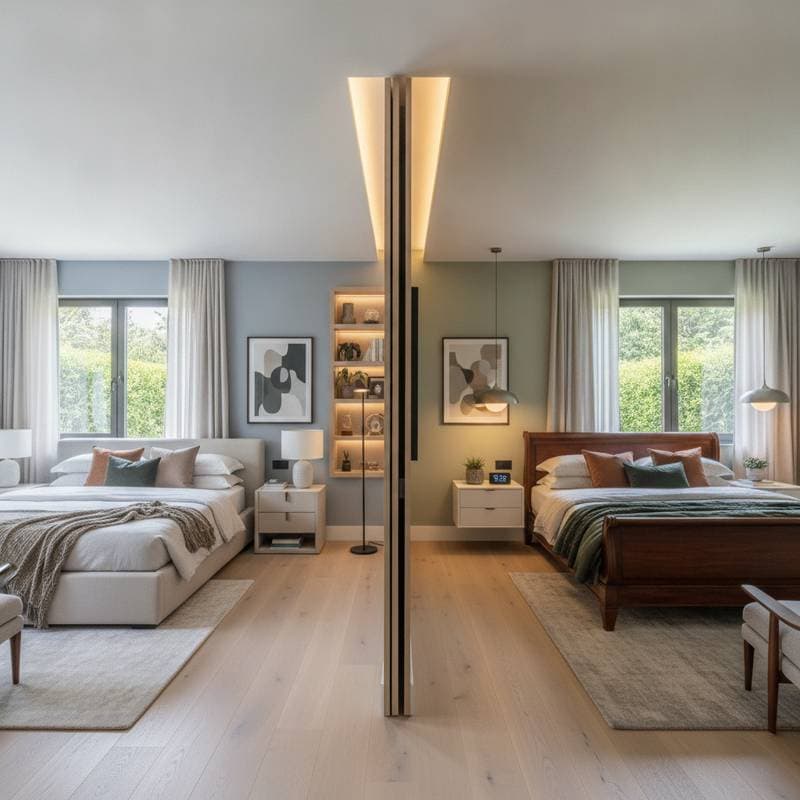
- Spatial Division: Establish physical or perceptual boundaries within the room.
- Personalization: Adapt each zone to align with individual comfort needs.
- Final Integration: Incorporate unifying decorative elements to harmonize the space.
An effective sleep divorce arrangement achieves equilibrium. The bedroom functions as a communal area yet grants autonomy over key comfort variables.
Deciding Between DIY and Professional Assistance
Most dual-zone configurations prove feasible for skilled homeowners. Tasks such as painting walls, constructing lightweight dividers, or assembling prefabricated furniture qualify as straightforward weekend endeavors. Structural modifications, however, demand expert intervention.
Required Materials and Tools
Materials:
- Twin or full-size bed frames, or a split-king adjustable foundation
- Bookcases, sliding panels, or freestanding screens for division
- Layered bedding systems with dual-zone temperature regulation
- Dedicated task lamps and matching nightstands
- Acoustic panels or insulated window treatments
Tools:
- Measuring tape and spirit level
- Stud detector and power drill
- Circular or miter saw for fabricating dividers
- Brushes, rollers, and painter's tape
- Screwdrivers, hammers, and clamps for assembly
Repurposing existing pieces or crafting custom dividers from plywood and fabric yields significant savings. Such alternatives cost far less than commercial partitions while providing tailored functionality.
Detailed Implementation Steps
1. Space Analysis
Measure the room dimensions and note fixed features like windows, closets, and entry points. These elements guide divider placement to optimize traffic flow. Verify that both zones offer equitable access to power sources and natural illumination.
2. Layout Development
Draft a floor plan ensuring ample space for each partner's area without overlap. Popular configurations feature side-by-side beds flanked by storage consoles or a unified mattress with segregated controls for firmness and sound.
3. Boundary Establishment
Position a low-profile screen, shelving unit, or tension rod with curtains to separate zones. Reserve solid barriers for expansive rooms to preserve openness. Incorporate foam-backed fabrics or corkboard inserts to mitigate noise from late-night activities.
4. Comfort Optimization
Equip each side with bespoke linens, supportive pillows, and contouring toppers. Select bases that permit independent head or foot adjustments. For temperature variances, deploy targeted space heaters, cooling pads, or zoned mattress covers.
5. Lighting Configuration
Mount clip-on lamps or wall-mounted fixtures with adjustable beams for each zone. Opt for warm-toned LEDs to minimize glare during early awakenings. Incorporate motion-sensor strips or automated schedules via simple outlets.
6. Aesthetic Cohesion
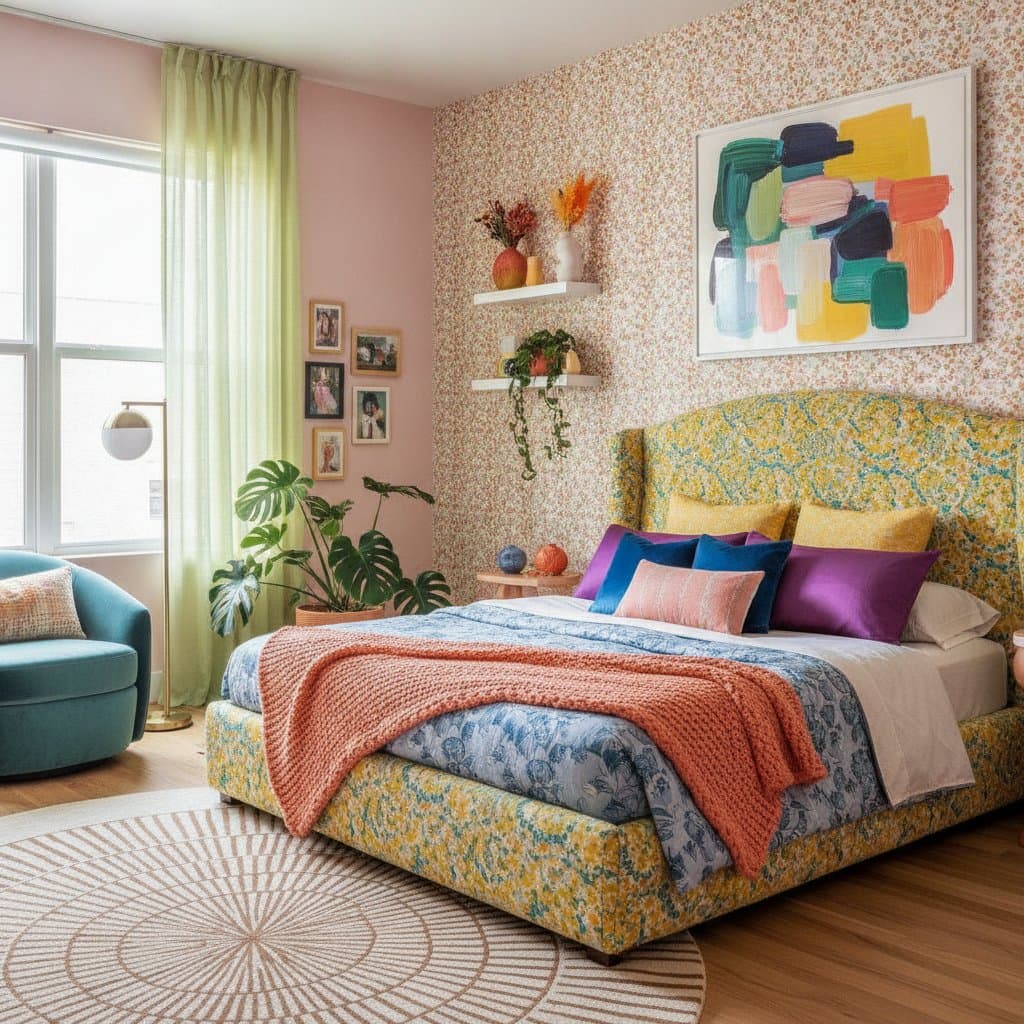
Select unified base elements like neutral paint tones and seamless flooring. Coordinate textile patterns and introduce communal accents such as framed prints above the headboard. This approach reinforces togetherness amid personalization.
7. Evaluation and Refinement
Trial the arrangement over multiple nights, documenting adjustments for efficacy. Modify partition angles, swap fabric textures, or relocate fixtures as needed. Iterative tweaks secure enduring usability.
Ensuring High Standards
Noise Mitigation Strategies
Effective dual-zone success hinges on acoustic management. Layer area rugs under beds, install padded headboards, or apply fabric-wrapped panels to walls. These measures, including blackout shades, effectively dampen echoes and external sounds.
Ventilation Maintenance
Position dividers to avoid obstructing air registers or pathways. For fabric barriers, maintain gaps at the top to facilitate circulation. Inadequate airflow risks humidity buildup and thermal imbalances, undermining overall comfort.
Material Durability
Prioritize robust construction in selections. Opt for hardwood or metal-reinforced units over composites prone to wear. Sturdy components demand less frequent repairs and sustain performance through years of use.
Ongoing Care Practices
Assign dedicated storage bins or drawer dividers to each zone for tidiness. Schedule quarterly mattress rotations and weekly linen washes to control allergens. Routinely check hardware for stability, applying lubricant to hinges as required. Consistent upkeep preserves efficiency and extends longevity.
Strategies for Optimal Results
- Incremental Implementation: Initiate with minimal alterations like distinct duvets and lamps, then expand based on observed improvements.
- Preserve Communal Elements: Sustain joint routines, such as shared evening discussions, to emphasize partnership over partition.
- Technology Integration: Employ user-friendly devices like app-controlled fans or white-noise generators, ensuring setups remain straightforward.
- Adaptability Focus: Choose reversible components, such as casters on furniture, to accommodate evolving preferences.
Realizing Lasting Benefits
Sleep divorce design transcends mere accommodation; it represents a strategic enhancement to home functionality. This endeavor merges principles of human-centered design with acoustic engineering and thermal dynamics. Homeowners gain proficiency in prioritizing utility alongside style, crafting resilient spaces that honor both individuality and unity. Ultimately, such investments yield revitalized energy and fortified bonds through sustained, restorative sleep.