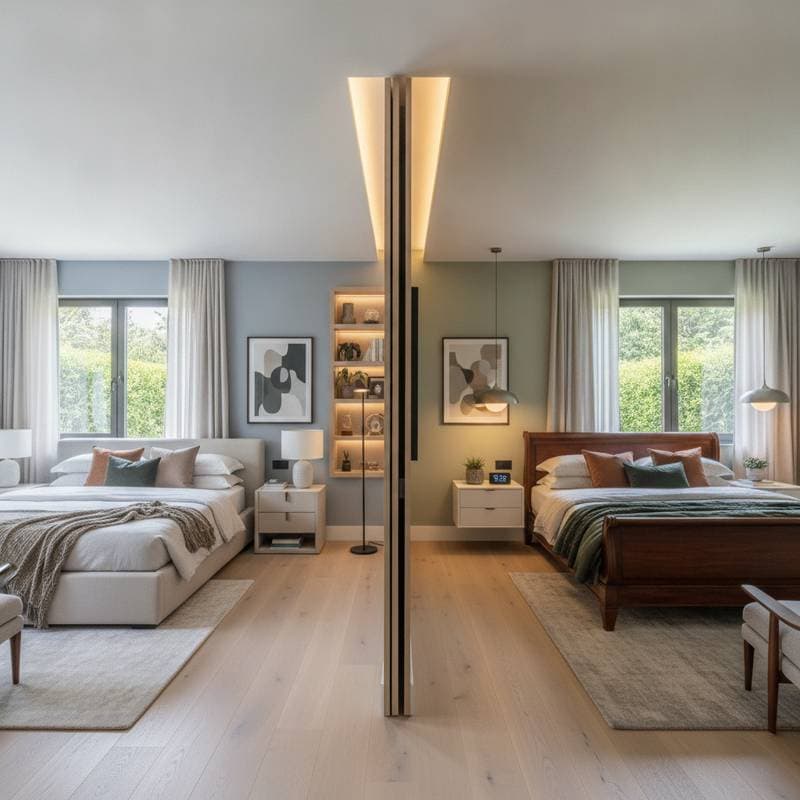
Key Principles of Dopamine Decor
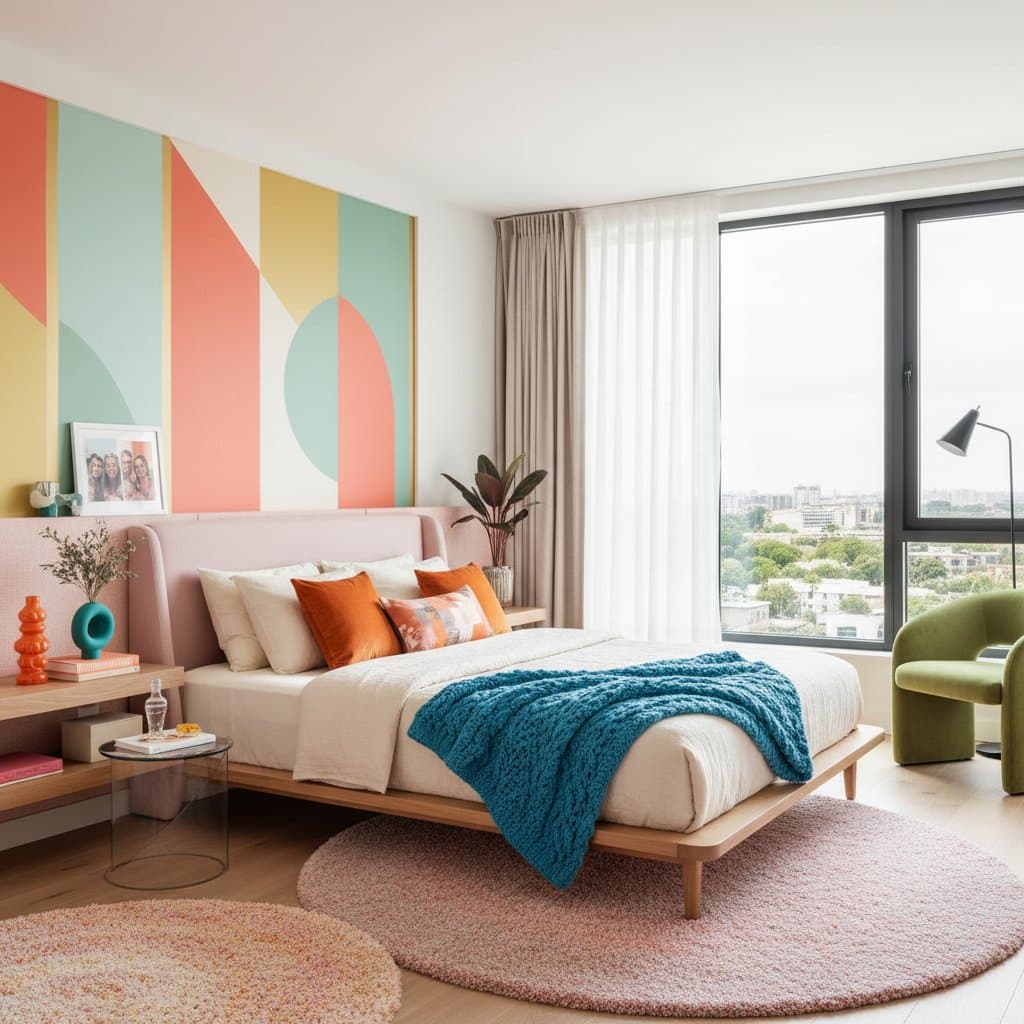
Dopamine decor leverages color, texture, and pattern to trigger positive emotions, turning bedrooms into vibrant yet harmonious retreats. This trend shifts from stark minimalism to mood-enhancing elements that reflect individual energy and preferences. By focusing on balanced stimulation, it fosters joy without disrupting sleep.
The foundation lies in color psychology, where specific hues like sunny yellows or deep teals activate motivation and calm. Designers recommend starting with personal mood assessments to select palettes that align with daily rhythms. This ensures the space supports both productivity and relaxation.
Effective bedrooms under this trend incorporate zoning techniques, such as dedicating walls for bold accents while keeping bedding in softer tones. Layered lighting, from soft sconces to adjustable lamps, prevents overstimulation. Tactile elements like plush rugs or woven throws invite interaction, deepening the sensory reward.
The Science Supporting Dopamine Decor
At its core, dopamine decor draws from neuroscience, where the brain's reward system responds to pleasing visuals and touches. Dopamine release heightens with novel yet familiar stimuli, such as a burst of color against neutral backdrops. This creates an uplifting environment tailored for private spaces like bedrooms.
Unlike sparse designs that prioritize silence, this approach uses measured vibrancy to combat fatigue. Psychologists note that positive arousal from varied patterns and materials boosts optimism without exhaustion. Neuroaesthetics guides the integration, ensuring elements harmonize for sustained well-being.
In application, experts apply environmental psychology to layer stimuli thoughtfully. For instance, rhythmic patterns mimic natural flows, easing the mind into rest. This scientific backing elevates decor beyond aesthetics, positioning it as a tool for mental health.
Assessing Your Bedroom for Dopamine Upgrades
Start by observing how your current setup influences emotions. Enter the room at different times and note immediate feelings, from invigorated to drained. This baseline reveals opportunities for enhancement.
Examine colors: Do walls in soft grays energize or dull? Inventory textures, checking if smooth linens dominate over varied weaves. Evaluate lighting for even distribution versus harsh shadows, and zoning for distinct areas like sleep versus lounging.
Create a quick chart with columns for visuals, tactiles, and emotions. Rate each on a scale of 1 to 5 for stimulation and comfort. A monotonous space, such as all-white schemes, signals need for color pops or fabric mixes to ignite response.
Preparing for a Dopamine Decor Project
Define your vision first, whether aiming for morning vitality or evening serenity. This guides intensity levels, like opting for warmer tones for energy. Sketch initial layouts to visualize flow.
Essential Tools and Materials
- Collect paint chips and fabric samples from families like earth tones or jewel shades.
- Gather measuring tools and tape for mapping accents.
- Source dimmable LEDs and textured items such as chenille throws or oak accents.
- Include meaningful decor, from framed prints to vintage vases.
- Use digital apps or paper for prototyping designs.
Key Planning Steps
- Zone colors: Reserve bold applications for views from the bed, like a teal accent wall.
- Strategize patterns: Layer small florals on pillows with larger geometrics on rugs.
- Plan lighting: Mix overhead with side sources for versatility.
- Allocate budget: Focus on high-impact swaps like upholstery before fixtures.
- Ensure compliance: Verify installations meet safety codes for wiring or mounts.
Schedule phases, including prep days and curing times for paints, to avoid rushed results. This methodical start yields polished outcomes.
Applying Dopamine Principles Step by Step
Step 1: Build the Color Foundation
Select a trio: two lively shades and a grounding neutral, using tools like color wheels for cohesion. Apply vivids to anchors, such as lavender on trim, while walls stay in creams. Test swatches in natural light to confirm vibrancy.
Step 2: Add Textural Depth
Layer from floor up: A shag rug under linen sheets, topped with faux fur pillows. Contrast glossy metals with matte woods for tactile intrigue. These elements encourage touch, amplifying pleasure responses.
Step 3: Incorporate Patterns Thoughtfully
Blend scales: Bold ikat on curtains with subtle dots on lampshades, tied by shared hues. Soften with rounded forms, like an arched mirror, to temper intensity. This creates dynamic yet navigable visuals.
Step 4: Set Up Adaptive Lighting
Position three tiers: Ceiling for general, lamps for reading, strips for glow. Opt for 2700K bulbs to warm tones. Dimmers facilitate shifts, bright for mornings and dim for nights.
Step 5: Infuse Personal Touches
Curate items sparking joy, such as travel souvenirs on floating shelves. Limit to five to ten pieces, arranged asymmetrically for interest. This personalization cements emotional ties.
Step 6: Achieve Restful Balance
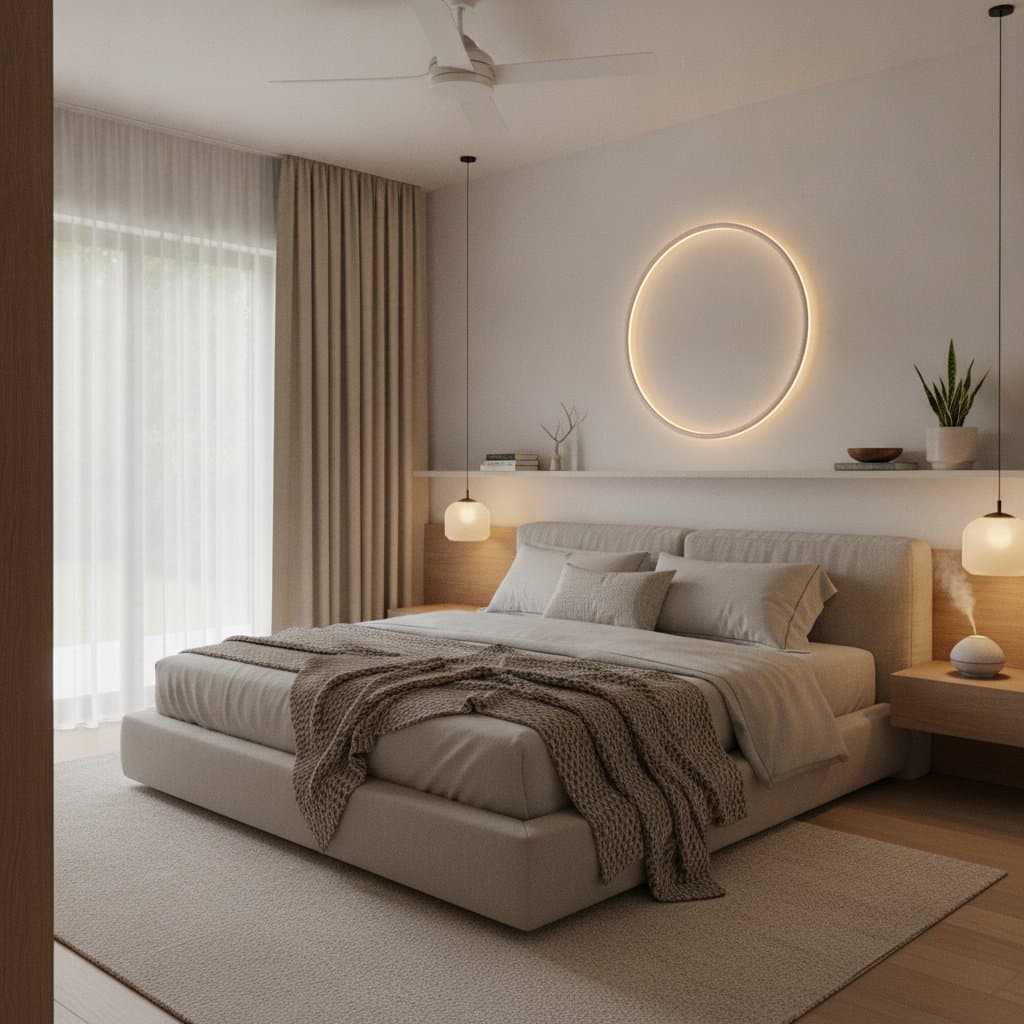
Counter vibrancy with neutrals on large planes, like beige carpets. Preserve open areas around the bed for breathing room. This duality sustains energy without fatigue.
Ensuring Your Design Delivers
Post-installation, inspect from multiple angles for even appeal. No hue should overwhelm; adjust if needed by toning down edges.
Cycle through lights at dawn and dusk, verifying mood alignment. Touch-test materials for inviting feel, and linger to gauge emotional lift.
If overstimulation arises, remove one pattern; for flatness, introduce a bright vase. Iterative tweaks secure lasting harmony.
Keeping Dopamine Decor Fresh
Refresh seasonally by swapping throws or rotating art to sustain novelty. Dust weekly to preserve hue clarity and fabric softness.
Monitor bulbs quarterly, replacing to uphold illumination. Periodically journal mood shifts, refining based on sleep or focus gains.
Expert Strategies for Lasting Impact
- Pilot changes: Test a coral pillow before wall-wide commitment.
- Anchor designs: Repeat brass hardware to unify boldness.
- Scale wisely: Reserve murals for walls, motifs for accents.
- Balance tones: Pair energizing oranges with soothing blues.
- Log effects: Note daily how elements influence routines.
Embracing the Benefits of Dopamine Design
This trend turns bedrooms into allies for mental vitality, blending science with style for tangible uplift. Homeowners report heightened motivation and better rest from such spaces.
Over months, attuned environments sharpen awareness of how design shapes well-being. Ultimately, dopamine decor empowers creating homes that nurture the spirit alongside the body.