Core Principles of Dopamine Decor
Dopamine decor focuses on colors that inspire joy, calm, and motivation, extending past basic neutrals. Bedroom colors influence emotional responses, sleep quality, and daily energy levels. Experts suggest pairing vibrant accents with reliable neutrals to create balance. Seasonal schemes emphasize inviting tones, nostalgic elements, and personal touches over minimalism.
Envisioning the Ideal Space
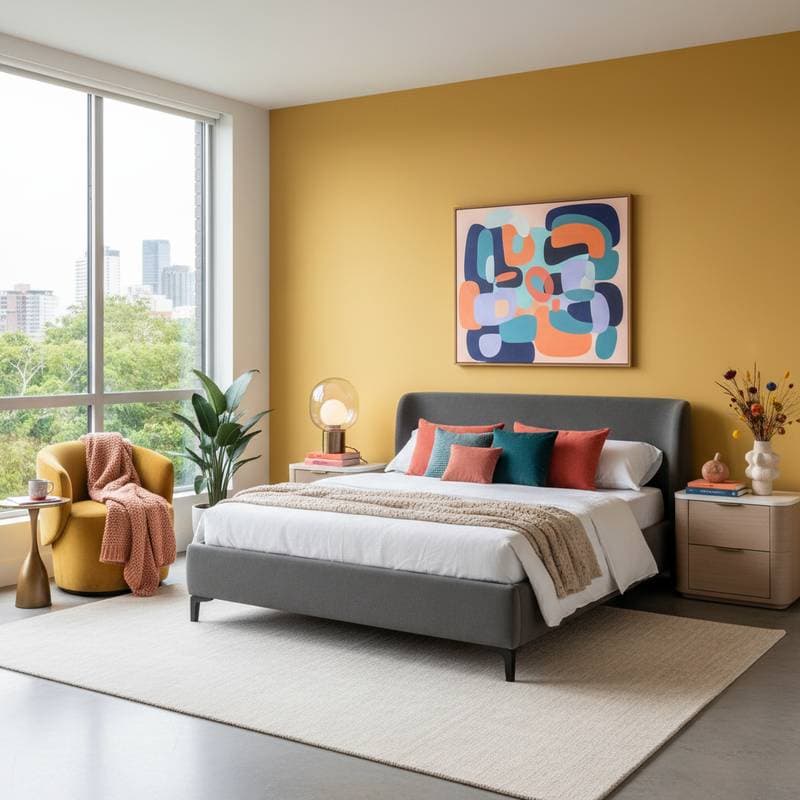
Picture waking in a bedroom alive with energy. Sunlight streams across walls painted in gentle coral, offering an instant feeling of warmth. Bedding in light mint pairs with a bedside table in soft butter yellow, establishing a mood of quiet stimulation.
This scene captures dopamine decor, a design approach based on color psychology and purposeful emotional signals. For years, styles favored muted tones like beige and gray for their calming qualities. However, these often resulted in lackluster spaces. Now, people desire rooms that bring optimism, making the bedroom a center for morning alertness and evening unwind.
Understanding the Neurological Connection
Crafting Effective Color Pairings
Colors carry built-in emotional effects, but their combinations shape the final result. Too much boldness can lead to exhaustion, while too little vibrancy causes boredom. Successful dopamine designs mix lively features with steady neutrals for ongoing interest.
Consider these tested pairings to try:
- Sunlit Coral and Cream: This combination offers an uplifting yet gentle morning boost, perfect for those needing drive. Paint one accent wall in coral and the others in cream for focused impact.
- Mint and Soft Sand: Inspired by peaceful beaches, this pair keeps a modern freshness. Apply mint to fabrics and sand to walls for layered coastal simplicity.
- Butter Yellow and White Linen: It encourages optimism without overwhelming, fitting bright spaces. Use yellow details with linen neutrals for a crisp, open atmosphere.
- Lavender and Clay: This mix brings serene sophistication with natural grounding. Place lavender on headboards and clay on floors for stable grace.
These choices extend past visual appeal. They address a growing need for spaces that support optimism and individuality, fitting various daily routines.
Integrating Texture and Illumination
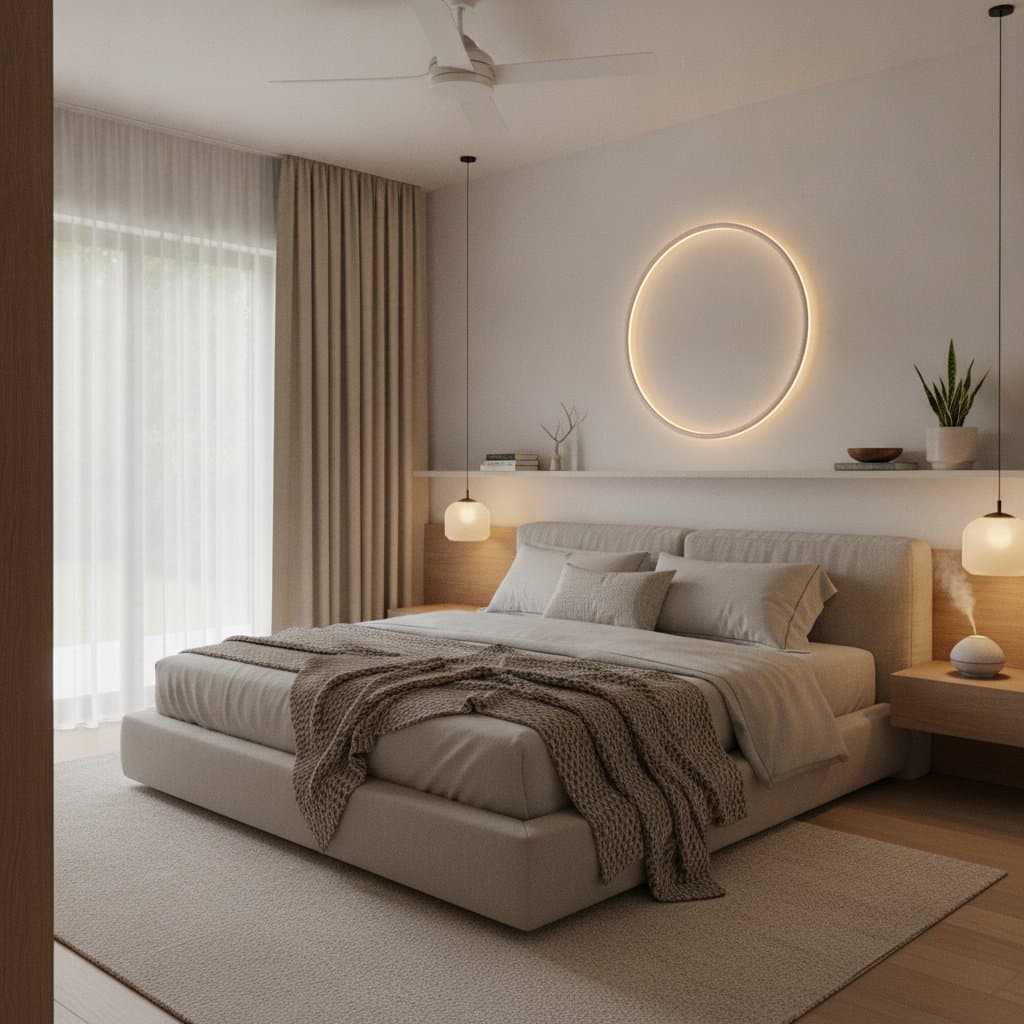
Color sets the foundation in dopamine decor, but texture and lighting enhance the full effect. Shiny surfaces reflect light to amplify color brightness, while matte finishes soften it for ease. Add diverse materials like linen curtains, wool throws, or ceramic pieces to build layers without clashing the color scheme.
Lighting changes how colors appear significantly. Natural daylight highlights coral's energy, making it lively. Warm evening bulbs turn it cozy. Choose controllable lights, such as dimmable LED options, adjusting from 2700K for nights to 4000K for days to support mood shifts.
Arrange lights in layers: ceiling fixtures for broad illumination, reading lamps for focused areas, and soft glows for unwind spots. This arrangement helps colors align with the room's natural cycles, improving sleep and recovery.
Tailoring Colors to Personal Resonance
True dopamine decor arises from personal narratives. Choose colors linked to significant moments, like teal for seaside recollections or rose for family comfort. Such choices turn design into a healing practice.
Therapist and design researcher Dr. Evan Rhys points out that surroundings influence emotional stability. "When someone curates a space that reflects joy, it reinforces positive thinking patterns," he states. "That is why dopamine decor resonates so deeply right now."
Evaluate tastes with mood boards or color quizzes tied to seasons. Track responses to shades in everyday environments, then focus on those providing steady positivity. This process builds a room that appeals visually and aids enduring health.
Implementing Changes Step by Step
Start with small updates to measure impact. Add a colorful pillow or artwork in a preferred shade. Monitor how these affect habits over several days.
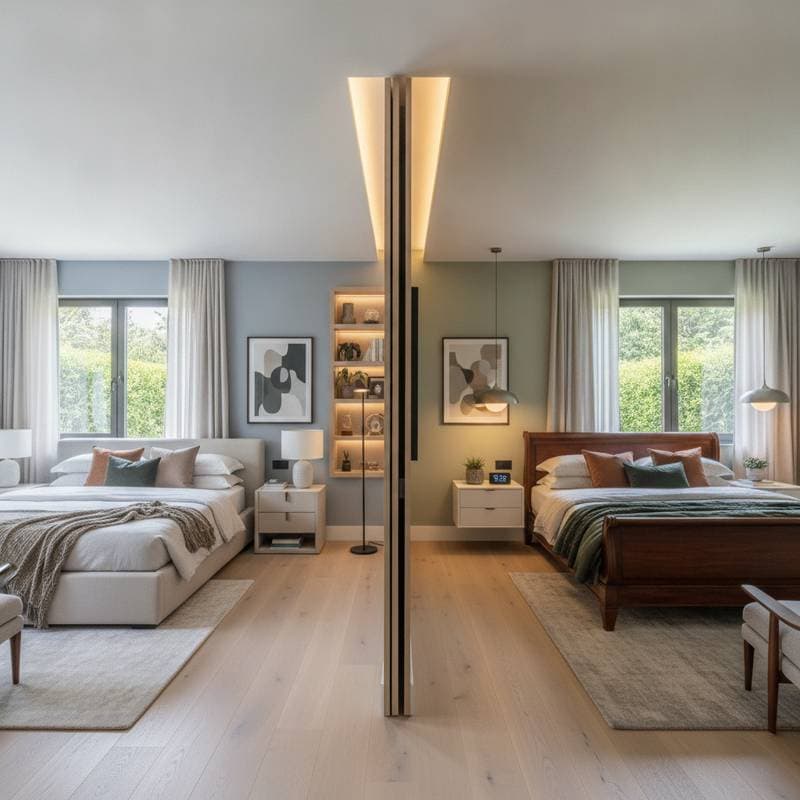
With assurance, move to bigger elements like wall colors or furniture covers. Keep balance by restricting bold hues to 20 percent of the design, using neutrals for restful areas. In shared rooms, talk through ideas; neutral walls in caramel tones can connect while personal items hold accents.
Adjust for home size. In compact spaces, apply colors to items rather than walls to prevent closeness. In spacious homes, divide zones with color shifts for better function. Document changes with photos to adjust over time.
Sustaining Bedroom Energy Through Color
Dopamine decor adapts well to different homes. It values adding joy over following strict fashions, ensuring each setup feels distinct. The bedroom becomes a steady supporter, echoing the lift of a favorite tune.
Pick colors that connect personally and maintain vigor. This deliberate method weaves positivity into daily life, creating a haven for rest and revival.