Wildflower Lawns: The Essence of Cottage-Core Gardens
Key Benefits:
- Wildflower lawns provide a sustainable substitute for conventional turf, demanding far less water and maintenance.
- They draw essential pollinators such as bees and butterflies, enhancing local ecosystems.
- Proper seed selection and site preparation ensure robust growth and seasonal variety.
- This style aligns seamlessly with cottage-core principles, emphasizing natural elegance and timeless rural appeal.
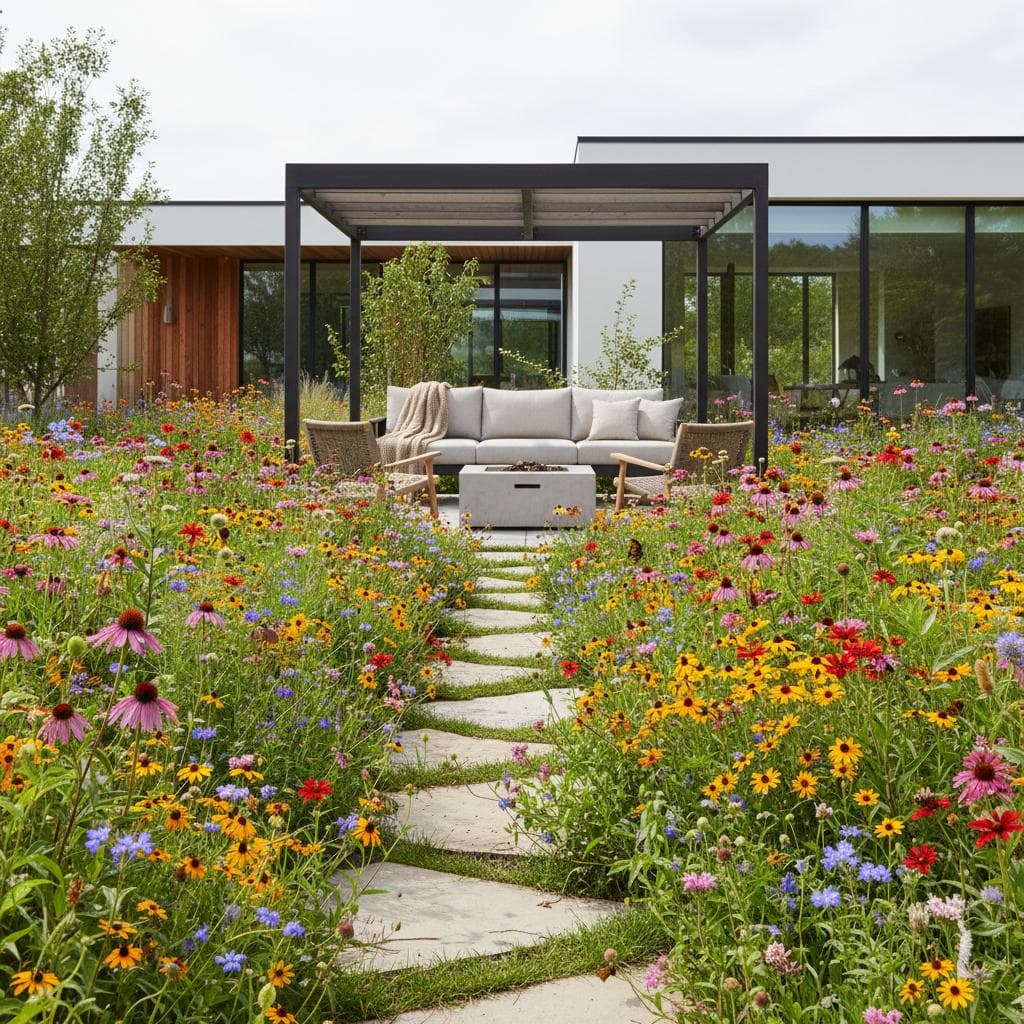
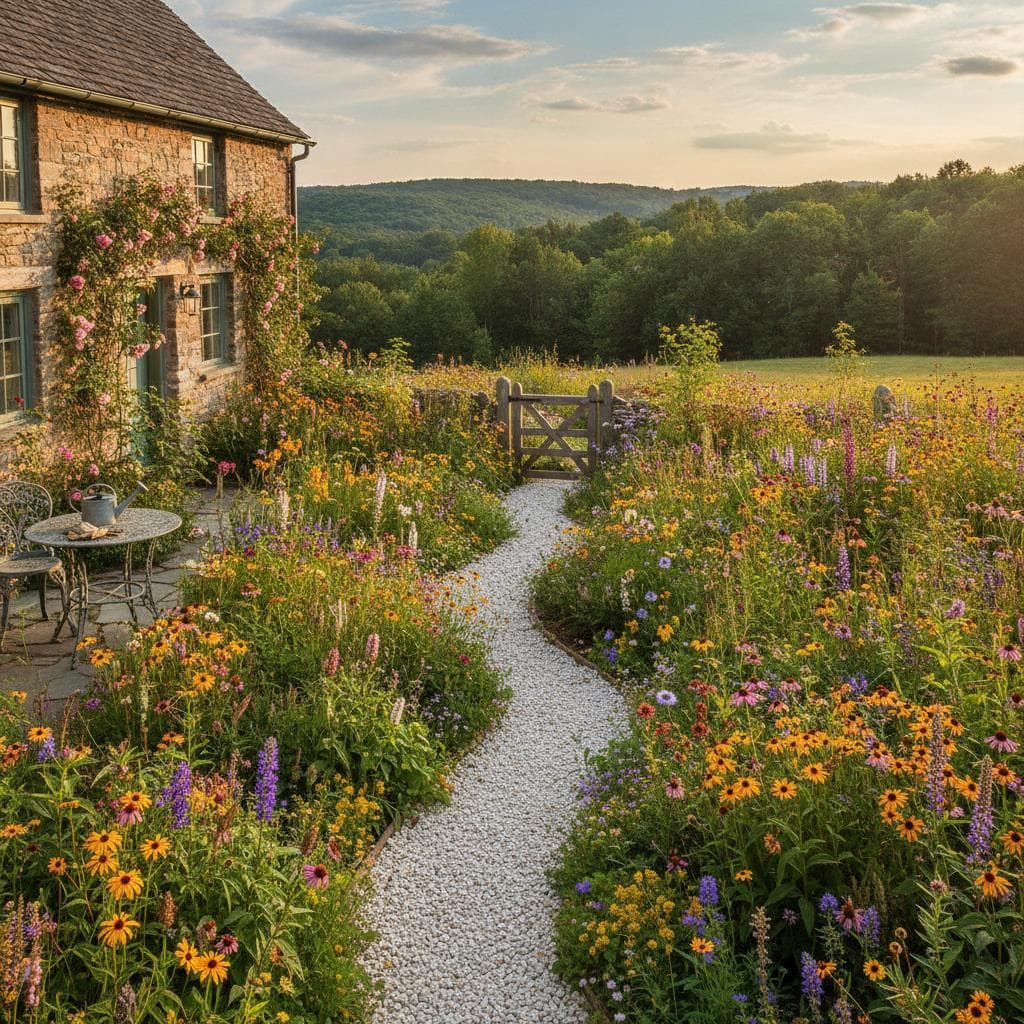
Imagine a quaint cottage nestled in a verdant countryside, where the garden buzzes with activity from pollinators and bursts with vivid hues. The scent of blooming herbs mingles with fresh soil, and a winding path meanders through a lush expanse of wild blooms. This idyllic scene, reminiscent of classic literature, now graces modern suburbs and urban plots alike. Wildflower lawns serve as the cornerstone of the cottage-core ethos, converting sterile lawns into dynamic, living tapestries.
Linking Cottage-Core to Natural Landscapes
Transforming Your Yard into a Pollinator Sanctuary
Standard lawns function as barren expanses, consuming resources while providing scant habitat for wildlife. Frequent mowing disrupts soil structure, and chemical applications harm beneficial insects. Wildflower lawns reverse these drawbacks by introducing a variety of native and resilient species that bloom prolifically.
Experts advocate for seed blends that include a spectrum of heights and flowering periods. For instance, incorporate white clover for ground cover, yarrow for resilient white clusters, black-eyed Susan for sunny yellow accents, and foxglove for tall, spired elegance. Such diversity ensures continuous nectar sources from early spring through late summer. These plantings also improve soil quality by preventing erosion and naturally enriching nutrients, which in turn cuts irrigation needs by up to half in many climates.
Step-by-Step Guide to Establishing a Wildflower Lawn
Creating a wildflower lawn requires thoughtful planning but yields enduring rewards. Begin by evaluating your space: measure the area, note sunlight exposure, and test soil pH, aiming for a neutral range of 6.0 to 7.0. Remove existing grass through solarization, where clear plastic sheeting smothers turf over four to six weeks, or manual tilling for quicker results.
Next, amend the soil lightly with compost to boost organic matter without overwhelming native adaptations. Select seeds suited to your region; for example, Midwest gardeners might choose a mix of coneflowers, bee balm, and aster, while coastal areas favor seaside goldenrod and beach pea. Broadcast seeds evenly in fall or early spring, then rake gently to ensure soil contact. For larger plots, consider hydroseeding, a method that sprays a slurry of seeds, mulch, and water for uniform coverage.
Water newly sown areas consistently for the first few weeks to encourage germination, then taper off as roots develop. Initial growth may seem patchy, but within one to two seasons, the lawn fills in densely. Pre-seeded mats offer an alternative for beginners, unrolling like sod but with embedded wildflower varieties for instant establishment.
Maintaining Your Wildflower Meadow
Upkeep for wildflower lawns emphasizes restraint to preserve their wild character. Schedule mowing to once annually in late winter, setting the blade high at three to four inches to avoid stressing plants. After the primary bloom cycle, a single trim in midsummer scatters seeds and prevents overgrowth, benefiting future generations of flowers.
Weed intrusion remains minimal with diverse plantings that outcompete invaders, though hand-pulling persistent species like dandelions proves effective early on. Avoid fertilizers, as wildflowers thrive in lean conditions that mimic natural meadows. During droughts, deep but infrequent watering sustains the lawn without encouraging shallow roots. This low-effort routine frees time for enjoyment, allowing the space to mature into a self-sustaining feature.
Blending Style with Ecological Impact
Cottage-core gardens captivate through their whimsical, narrative quality, yet wildflower lawns add a layer of purposeful ecology. Each bloom bolsters pollinator populations, vital for crop pollination and food security. Reduced chemical use protects groundwater, while diverse roots stabilize soil against runoff. Homeowners report savings of hundreds of dollars yearly on water bills and equipment.
Online communities fuel this trend, sharing photographs of dew-kissed meadows framed by weathered benches or herb borders. Younger generations, in particular, embrace these designs for their authenticity, countering urban detachment with tangible connections to heritage and nature.
Insights from Horticultural Professionals
Seasoned garden designers stress adaptation to site specifics for optimal results. In full-sun exposures, opt for drought-resistant options like California poppy, blanket flower, and lanceleaf coreopsis, which tolerate heat and poor soil. Shadier nooks suit woodland natives such as wild geranium, columbine, and ferns, providing subtle color without demanding light.
Soil composition guides further choices: well-drained sandy types pair with lightweight annuals, whereas heavy clay benefits from perennials like ironweed and Joe-Pye weed that bind and aerate. To enhance visual cohesion, frame the lawn with natural edging, such as reclaimed stone paths or native shrubs like inkberry holly. These elements impart structure, distinguishing curated wildness from unkempt growth.
Experiencing the Rewards of a Wildflower Haven
An established wildflower lawn reshapes daily interactions with your surroundings. Mornings fill with the gentle drone of insects rather than mechanical noise. Seasonal shifts reveal themselves through emergent colors: pinks and purples in spring, golds and reds in fall. Families engage more outdoors, identifying species or harvesting seeds for crafts.
For cottage-core enthusiasts, this transformation represents a holistic victory, merging beauty with planetary care. Begin modestly, perhaps seeding a 10-by-10-foot border along a walkway, and observe how it inspires broader changes. Over time, your yard evolves into a vibrant extension of home, nurturing both spirit and ecosystem.