How Sound-Absorbing Plants Silence Noisy Gardens
Most people seek solace in their gardens, only to encounter unwelcome sounds from traffic, neighbors, or appliances. These intrusions disrupt the intended tranquility of outdoor spaces. Fortunately, plants offer a natural, effective method to mitigate such noise without relying on artificial barriers.
Sound-absorbing plants provide an elegant solution by reducing auditory disturbances while enhancing visual appeal and environmental health. These living elements diffuse and absorb sound waves through their foliage density and texture. Understanding their mechanisms reveals how to select and arrange them for optimal results.
Selecting Effective Plants for Noise Reduction
Effective sound-absorbing plants feature dense growth, varied textures, and substantial leaf mass to intercept sound waves. Sparse or fragile varieties fail to deliver meaningful acoustic benefits. Focus on species that maintain year-round coverage and require moderate care.
Dense Evergreen Hedges
Multi-Layered Shrub Arrangements
Layering shrubs of varying heights creates a more comprehensive sound trap. Position taller options like viburnum or photinia at the rear, supported by shorter plants such as boxwood or spirea in front. This configuration captures sound at different elevations and introduces visual depth.
Such arrangements function as organic acoustic panels, integrating seamlessly into landscape designs while progressively muffling external noises.
Foliage with Acoustic Textures
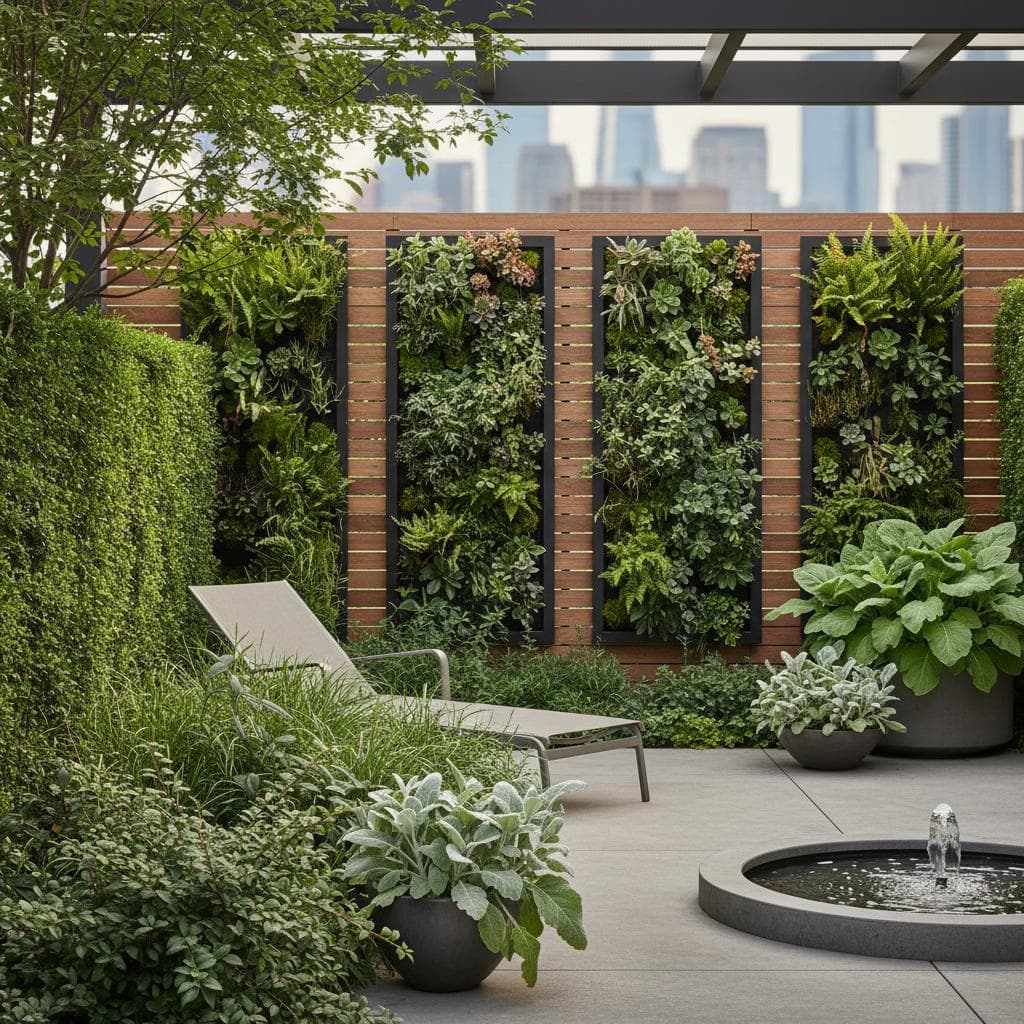
Plants with rough or soft-textured leaves excel at diffusing sound frequencies. Lamb's ear, ferns, and ornamental grasses including miscanthus or pampas grass scatter harsh tones effectively. Gentle movement in breezes generates soothing rustles that overlay and soften ambient disturbances.
Incorporate these elements along pathways or borders to create zones of enhanced calm, where natural sounds dominate over urban clamor.
Vertical Climbing Coverage
Utilize existing structures like fences or walls by training climbing plants over them. Ivy, clematis, and star jasmine clad surfaces to minimize reflections and echoes. This vertical approach delivers dual benefits in sound softening and aesthetic enhancement.
Dense coverage on hard surfaces prevents noise amplification, transforming potentially resonant areas into muffled retreats.
The Well-Being Benefits of Serene Outdoor Spaces
Beyond measurable noise levels, quiet gardens foster emotional restoration. Reduced auditory input encourages mindfulness, allowing appreciation of subtle natural elements like insect activity or light patterns on leaves.
Research indicates that lowering environmental noise decreases cortisol production, sharpens concentration, and elevates overall disposition. Sound-absorbing plants contribute to these outcomes by promoting a healthier interaction between individuals and their surroundings.
A client near a high-traffic area benefited from a perimeter planting of evergreens, grasses, and climbers around her seating zone. After several months, she reported that vehicular sounds receded, permitting avian calls to prevail. This illustrates the gradual, harmonious efficacy of botanical noise management.
Ensuring Plant Health for Sustained Performance
The acoustic efficacy of plants depends on their vigor and fullness. Sparse or poorly maintained specimens diminish in sound-trapping capacity. Implement routine pruning to stimulate dense regrowth and expand absorption surfaces.
Consistent irrigation and fertilization sustain lush foliage essential for performance. Address thinning by introducing fast-establishing companions to support slower-maturing plants during development.
Apply organic mulch generously around bases. This layer not only nourishes soil but also dampens low-frequency vibrations from proximate sources, amplifying overall noise control.
Integrating Expert Guidance for Complex Challenges
Persistent noise from construction or highways may necessitate specialized intervention. Consult a landscape architect or acoustician to devise targeted configurations addressing specific sound paths. They may suggest hybrid systems pairing vegetation with elements like perforated barriers.
However, many residential settings respond well to independent efforts involving strategic planting and seasonal monitoring. As plants establish, their insulating qualities intensify, yielding progressive improvements.
Adapting and Refining Your Garden's Acoustics
As your plantings mature, observe variations in sound perception across the space. Certain areas may require additional density, while others achieve balance naturally. Adjust positions or introduce supplementary layers to fine-tune the environment.
Recognize that balanced acoustics embrace natural harmonies rather than total silence. The interplay of foliage movement, pollinator hums, and water features crafts a restorative soundscape.
Implementing Changes for Lasting Tranquility
Begin enhancements by targeting the most disruptive boundary or relaxation spot. Select a mix of structural evergreens, mid-height shrubs, and textured ground covers for comprehensive coverage.
Allow time for growth to realize full potential, monitoring progress through seasons. Nature's inherent sound-moderating abilities, harnessed thoughtfully, deliver enduring peace without mechanical interventions.
Envision your garden enveloped in verdant layers, where external discord fades into a harmonious backdrop. This accessible transformation awaits through informed plant selection and placement.