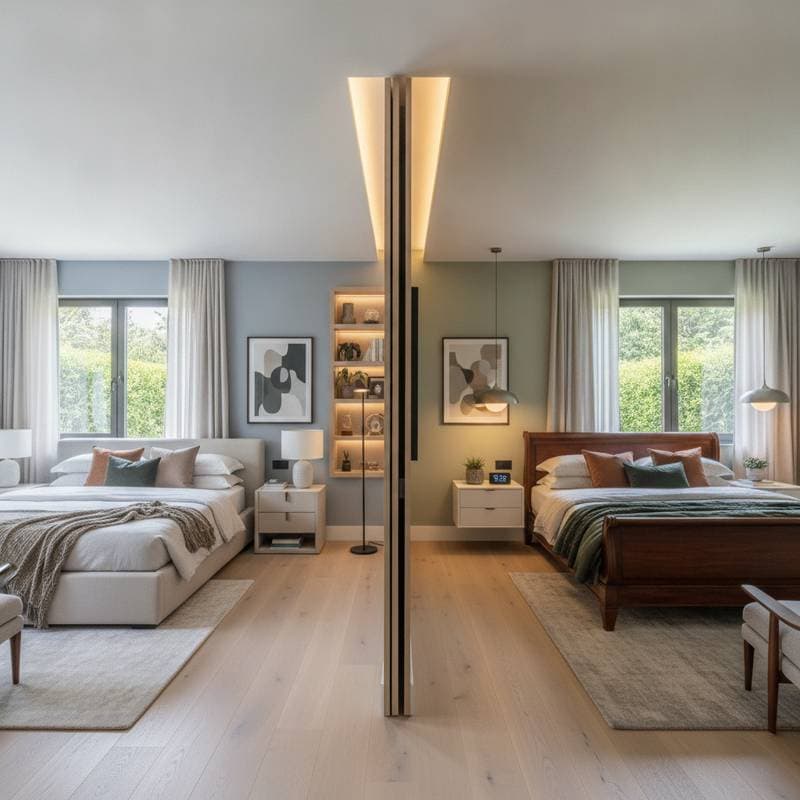
Understanding the Rise of Dual Master Suites
Dual master suites emerge as a thoughtful response to the needs of contemporary couples seeking both closeness and independence. These designs feature two primary bedrooms, each equipped with full amenities, allowing partners to maintain individual routines without sacrificing shared life. This arrangement addresses common challenges like differing sleep patterns and promotes overall relationship health.
Research in sleep science underscores the importance of quality rest for emotional stability. Partners who sleep separately often experience fewer disruptions, leading to improved mood and communication. As a result, daily interactions become more positive and productive.
Real estate trends reflect this shift, with developers incorporating dual suites into new builds. Listings emphasize these features as enhancements to lifestyle and value, signaling a normalization of personalized sleeping arrangements.
Evolving Cultural Perspectives on Shared Spaces
Designing Dual Master Suites for Balance
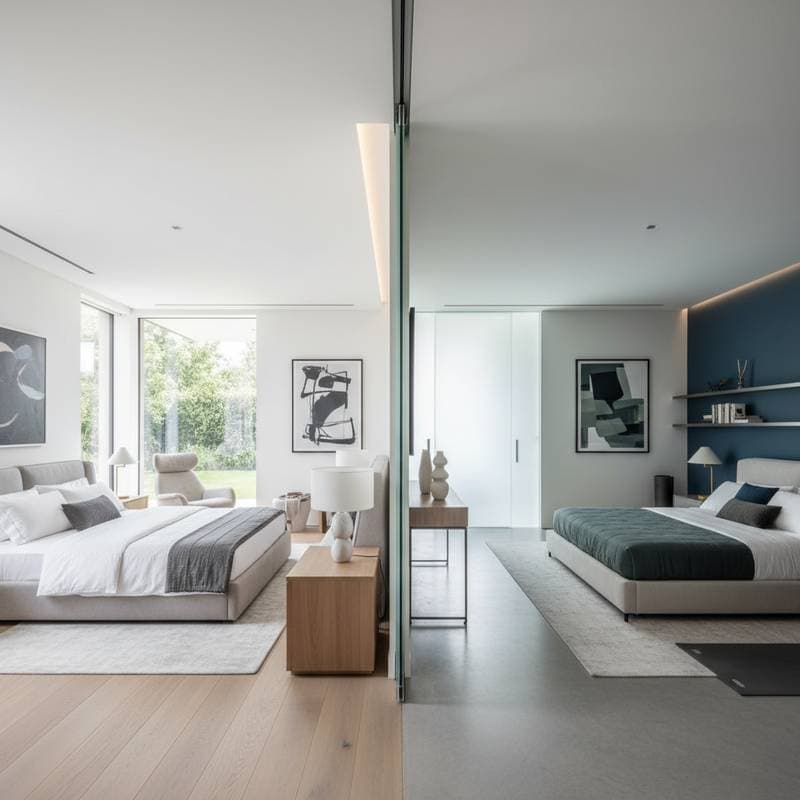
Professionals in architecture report a surge in requests for dual primary bedrooms, crafted as intentional havens rather than afterthoughts. These spaces ensure equity, with each bedroom offering comparable luxury and functionality. The focus remains on integration, not isolation.
Key elements include:
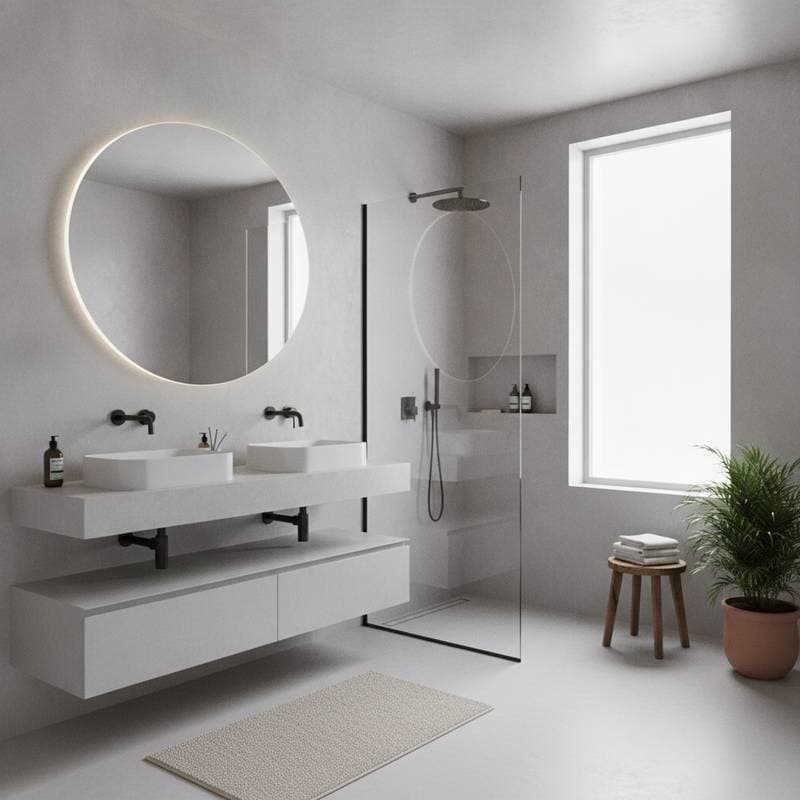
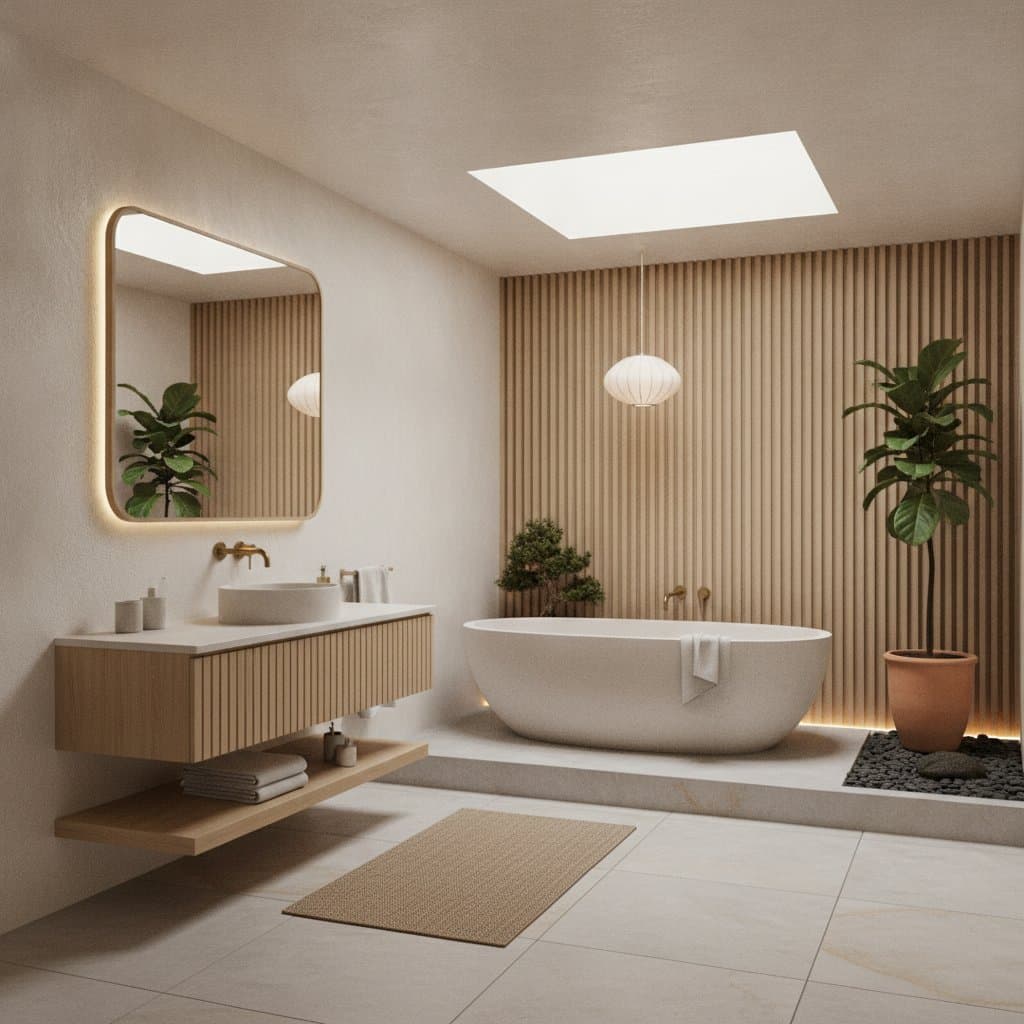
- Symmetrical luxury: Equal-sized rooms with private bathrooms, walk-in closets, and high-end finishes to avoid hierarchy.
- Seamless transitions: Shared lounges, connecting walkways, or adjacent layouts that facilitate easy movement between spaces.
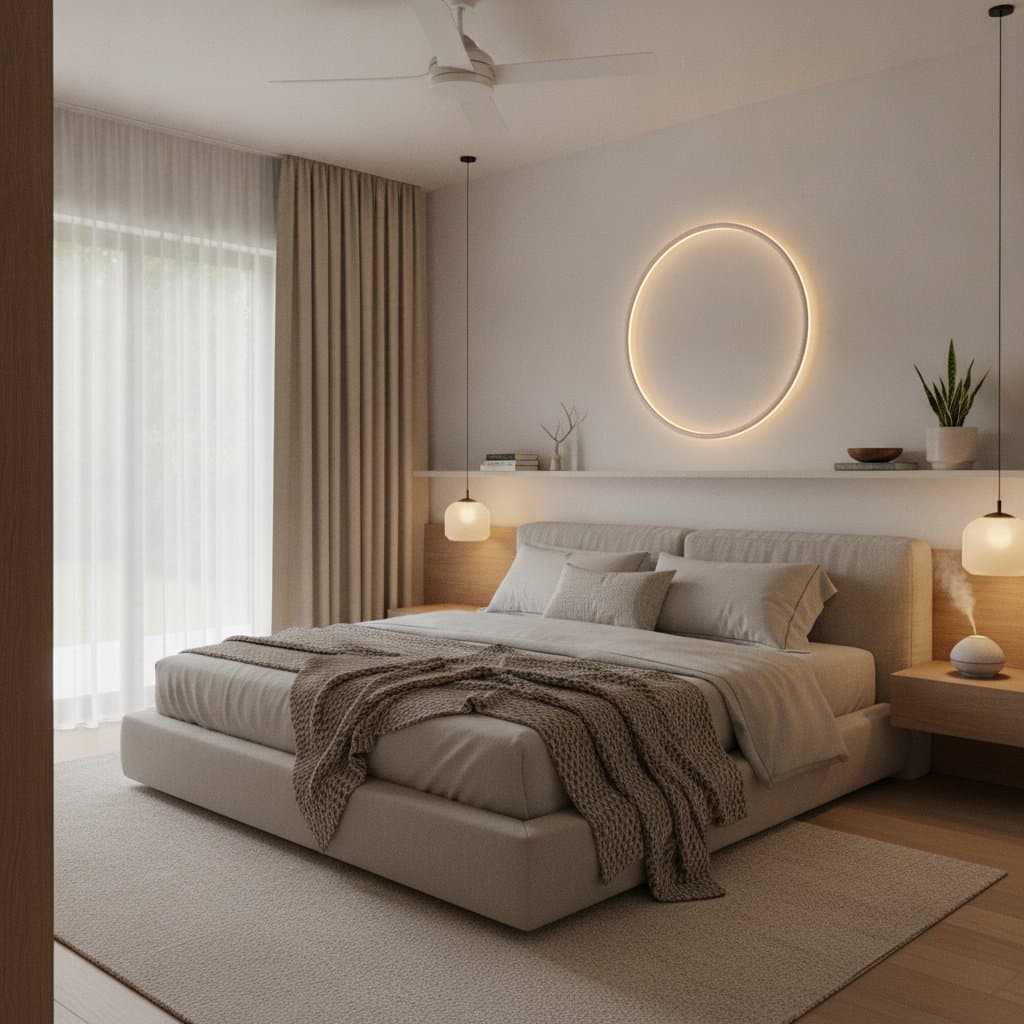
- Customized atmospheres: Independent controls for lighting, temperature, and furnishings to suit personal tastes.
- **Acoustic ** Built-in soundproofing, thick walls, or white noise systems to minimize disturbances like snoring or early alarms.
Designers emphasize that such setups enhance anticipation for shared moments. Couples find that personalized rest spaces make daytime connections more deliberate and enjoyable. The result is a home that nurtures both individuality and unity.
Shifting from Sleep Divorce to Restful Partnership
The phrase "sleep divorce" captures media attention but often misrepresents the practice. Many couples reframe it as "sleep harmony," highlighting proactive wellness over conflict. Therapists stress that open dialogue transforms this choice into a collaborative effort.
Intentional separation differs markedly from avoidance born of tension. Partners who discuss needs upfront build trust, viewing separate rooms as a tool for sustainability. Flexible schedules, such as apart during weekdays and together on weekends, allow adaptation to life demands.
Evening rituals, like joint reading or conversation before retiring, preserve emotional links. Daytime benefits include heightened focus and reduced irritability, creating space for affection. Success hinges on ongoing communication about evolving preferences.
Redefining Intimacy Through Personal Boundaries
Dual master suites prompt reflection on intimacy's true nature. Previous generations equated physical proximity with emotional depth, but modern views center on mutual respect and self-care. Closeness arises from voluntary engagement, not enforced togetherness.
This approach parallels pursuits of distinct interests or careers within a partnership. Separate rest areas enable rejuvenation, ensuring interactions stem from energy rather than exhaustion. Couples report greater authenticity, free from performative unity.
Societal emphasis on genuine relationships supports this model. Partners craft bespoke dynamics that prioritize fulfillment, with dual suites embodying freedom alongside commitment. Love flourishes when individuals thrive independently yet choose connection.
Insights from Couples Embracing the Change
Those who implement dual master suites often describe profound improvements in daily life. One partner gains uninterrupted quiet for deep sleep, while the other explores late-night hobbies without imposition. Mornings start refreshed, with routines flowing effortlessly.
Relationships gain vitality through these adjustments. Enhanced rest equips couples to navigate challenges with patience and engage in joint activities with enthusiasm. Individual spaces foster personal growth, enriching the partnership overall.
Narratives consistently affirm that physical separation at night bolsters shared existence. Rest becomes the bedrock for joy, turning potential friction into opportunities for deeper understanding.
Steps to Implement Dual Master Suites
Couples interested in this arrangement should begin with trial periods, such as one week of separate sleeping. Track changes in energy, mood, and interactions to assess fit. Positive outcomes signal potential for permanent adoption.
For renovations, prioritize equity in design. Select materials like sound-absorbing panels and adjustable thermostats for each space. Ensure visual harmony across the home to maintain a unified feel.
In smaller homes, consider multifunctional options: Murphy beds in guest areas or modular partitions. Collaborate with architects early to align on budgets and timelines. The planning process itself often deepens partnership through shared decision-making.
Benefits of Prioritizing Rest in Partnership
Dual master suites transcend trends to embody progressive living. They enable couples to honor personal rhythms while sustaining emotional ties. Homes designed this way support enduring relationships built on respect and renewal.
Investing in such spaces yields practical gains, from elevated home equity to sustained well-being. Couples discover that true harmony arises when rest empowers connection. This model invites a future where love and independence coexist seamlessly.