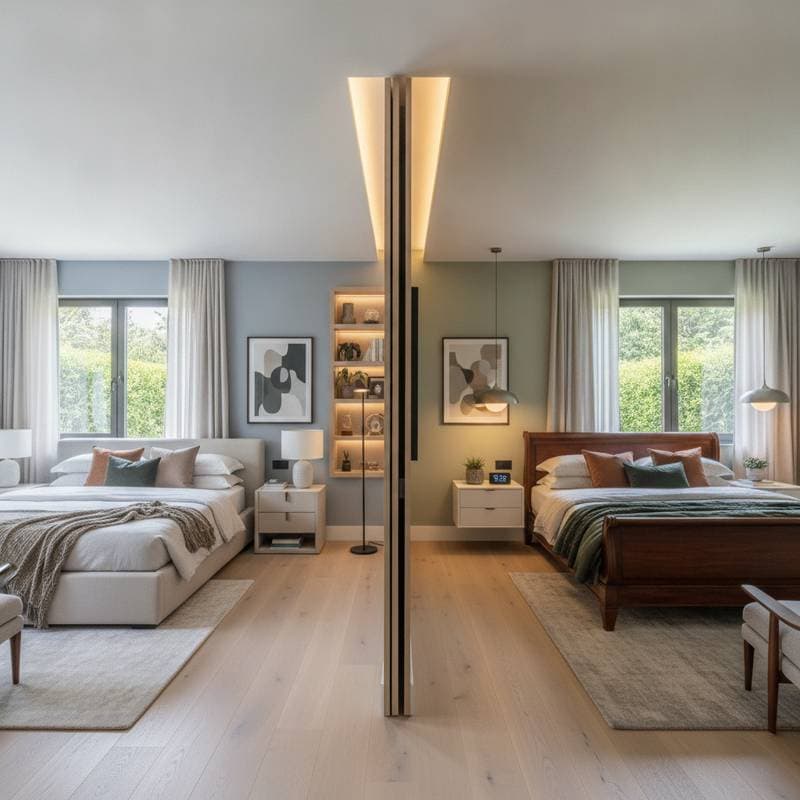
Mood-Boosting Bedroom Colors for 2026 Happiness
I will admit that my bedroom once resembled a scene from a vampire film. Deep gray walls, dark wood furniture, and blackout curtains created a dramatic atmosphere at first. However, over time, the space began to drain my energy, much like living under a constant rain cloud. As a home design writer, it proved embarrassing to recognize that my own environment undermined my vitality.
One gloomy morning prompted a change. I dedicated a weekend to testing paint swatches and selected a hue that invigorated the room upon entry. That simple adjustment to the walls altered the entire ambiance. This experience reinforced that color serves as a potent tool for emotional health.
As decor trends evolve, the dopamine decor approach gains prominence. This philosophy prioritizes hues that evoke positive feelings upon every encounter, beyond mere aesthetic appeal on social platforms. The bedroom, as the starting and ending point of each day, offers an ideal canvas for implementation.
The Science of Color and Emotion
Joyful Yellows and Sun-Washed Golds
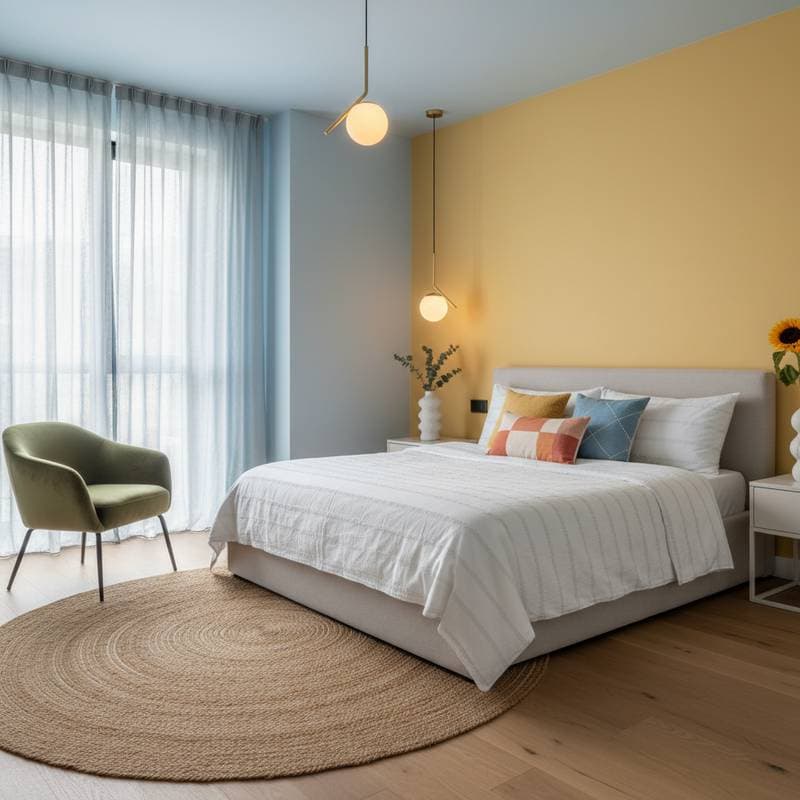
A subtle yellow bedroom may appear bold, yet executed properly, it delivers unadulterated joy. Opt for buttercream, straw, or pale sunflower variations. These tones emulate sunlight, which stimulates serotonin production, the neurotransmitter linked to happiness.
After applying a muted honey shade to my Staten Island guest room, visitors frequently noted its cheerful yet composed feel. This balance defines effective dopamine decor. To temper potential brightness, combine yellow walls with white linens and natural wood elements. The outcome yields warmth without excess.
Sky Blues and Misty Aquas
Blue dominates spas and coastal escapes for its inherent calming properties. A light blue or gentle aqua expands even compact bedrooms, imparting openness and freshness. This proves valuable in urban apartments with limited views, such as those facing brick exteriors.
While working from home, I often look into my bedroom, now coated in a hazy blue-green. The sight prompts deeper breaths immediately. For added vitality, incorporate coral or blush accents via pillows. Blue provides solace, but warm contrasts prevent a chilly impression.
Grounding Greens for Everyday Balance
Green connects tranquility and vigor seamlessly. As the hue of nature and renewal, it instills a sense of stability and security. Sage or olive tones ground the space, while vivid grassy shades introduce optimism.
I experimented with several greens before choosing one evoking the Staten Island Greenbelt post-rain. Beyond aesthetic enhancement, it infused vitality into the room. Greenery thrives against such walls, and textures like linen or jute amplify the organic vibe.
For those reluctant to paint fully, introduce green through bedding or window treatments. Incremental applications still revitalize weary interiors.
Playful Pinks and Peachy Neutrals
Pink has matured beyond childish connotations for adult bedrooms. Contemporary versions appear muted, dusty, or blended with beige, offering warmth sans saccharine excess. I once refreshed a small alcove with soft clay-pink, rendering it instantly more welcoming.
Peach and terracotta emerge as robust options in mood-enhancing schemes. They convey warmth and intimacy, providing solace amid extended winters. When matched with cream or taupe, these create inviting, refined sanctuaries.
Energizing Corals and Soft Reds
For those desiring vibrancy, coral stands out as an ideal joyful hue. It energizes without the intensity of pure red. Coral harmonizes with sandy beige or stark white, yielding dynamic yet equilibrated environments.
A friend selected coral for her bedroom following a challenging year. She reported that it restored hope to her mornings. This exemplifies dopamine decor's essence: leveraging color to gently elevate mood sans comprehensive overhaul.
Individuals favoring richer shades may prefer muted clay or brick red. These impart warmth and intensity without sensory overload.
Serene Lavenders and Soft Mauves
Purple shades often escape notice, but they soothe profoundly when applied with care. Lavender and mauve introduce elegance alongside serene energy. They complement silver-gray details and white linens, evoking a luxurious, restorative ambiance.
Testing lavender in my space subtly altered the lighting, softening evenings. Such colors facilitate mental decompression after demanding days.
Balancing Bright and Neutral
Color novices need not embrace vivid walls entirely. Dopamine benefits arise from accents as well. A neutral base accented by cheerful elements, like a coral blanket or lemon-yellow lamp, uplifts equally.
I have guided clients who began with vibrant artwork before committing to full walls. Witnessing the energy shift built their confidence for bolder steps. The objective centers on emotional ease, not flawlessness.
Implementing the Change
Prior to painting, evaluate your room's lighting patterns. Natural illumination varies daily, altering hue perceptions. A morning-favored color may dim excessively by evening. Apply generous swatches across walls and observe them over several days.
Next, assess interactions with existing bedding, rugs, and furnishings. Comprehensive replacement proves unnecessary. Flexible undertones in most colors adapt to current items, provided temperature consistency, whether warm or cool.
Renters unable to paint can infuse color via textiles. Duvet covers, drapes, or oversized framed pieces effect transformation. I employed removable wallpaper as a headboard accent, revitalizing the mood deposit-free.
Sustaining the Mood Enhancement
Once implemented, maintain the positive shift by periodically reassessing the space. Adjust accents seasonally to align with evolving needs. This ongoing attention ensures the bedroom remains a reliable source of daily uplift and restoration.