Key Points
- Soft, dopamine-boosting bedroom colors gain popularity as individuals seek comfort and emotional renewal in their homes.
- Specific shades that stimulate pleasure centers in the brain include coral blush, butter yellow, digital lavender, and ocean teal.
- Research in color psychology demonstrates that hue, lightness, and saturation directly affect mood regulation and rest quality.
- Incorporating textures and strategic lighting with these colors amplifies their neurological and emotional benefits.
- Professionals advise combining stimulating colors with grounding neutrals to achieve balance and enduring satisfaction.
Visualizing a Mood-Enhancing Bedroom
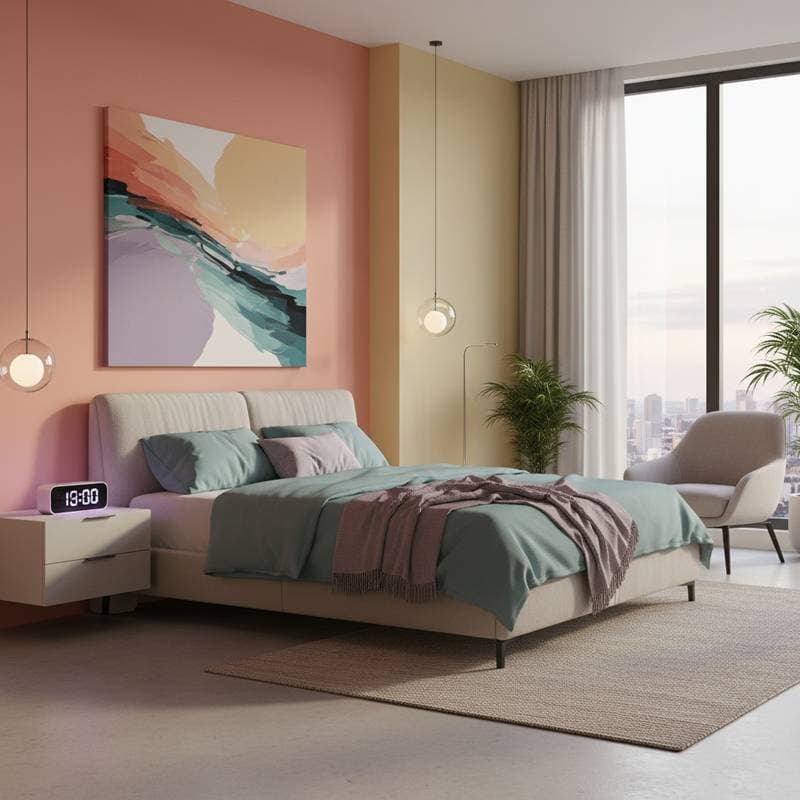
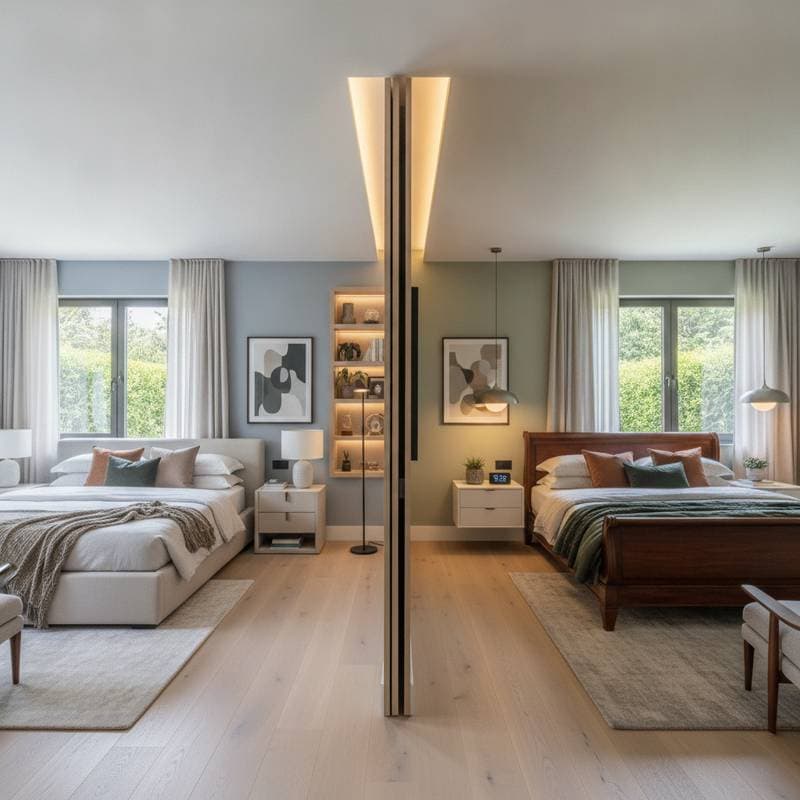
Imagine morning light filtering across walls painted in a hue that embodies optimism. This color interacts with the gentle folds of bedding, distributing warmth throughout the room. You breathe deeply, experiencing a blend of calm and gentle energy. This scene represents more than visual appeal; it illustrates the intersection of color psychology and design principles, converting the bedroom into a tailored source of dopamine.
The Rise of Dopamine-Inspired Design
The trend toward dopamine decor emerged as individuals focused inward, redefining homes as emotional refuges. Designers moved away from plain neutrals toward hues that ignite pleasure and personal expression. This evolution prioritizes meaningful sensory engagement over mere visual impact.
Platforms like social media have popularized the notion of color as self-care. Content featuring pastel renovations and lively paint updates frequently attracts millions of views, highlighting the universal appeal of color-induced joy. Experts in interior psychology attribute this to a shared desire to restore emotional vitality through intimate spaces. Bedrooms, as the most personal and rejuvenating areas, emerge as ideal locations for such changes.
Understanding the Science of Color and Dopamine
Dopamine functions as the neurotransmitter that signals pleasure to the brain, prompting a desire for repetition. Although color does not directly generate dopamine, it shapes emotional responses that facilitate its release via positive triggers. Warm, luminous tones often provoke this effect by resembling natural elements like sunlight or blooms, which convey safety and ease.
Cooler shades contribute to mood elevation by inspiring tranquility or fond memories. Balance proves essential; excessive vibrancy risks overstimulation, whereas subdued options may lack vitality. Effective dopamine decor strikes harmony between stimulation and repose, yielding spaces that feel dynamic yet soothing.
Forecasted Colors for Emotional Uplift
Coral Blush
This soft coral acts as a contemporary neutral for those desiring warmth without excess. It blends pink's approachability with a faint orange hint that evokes creativity. Pair it with crisp whites or warm taupes to craft a bedroom that radiates affection and refinement. Apply it to walls or upholstery for subtle daily encouragement.
Butter Yellow
Butter yellow captures sunlight softened by fabric, offering mental stimulation in the morning and tranquility at night. Limit its use to feature walls or linens to introduce positivity without dominance. This shade pairs well with soft grays, enhancing focus during routines like reading or planning.
Digital Lavender
Lavender endures as a staple by merging blue's calm with pink's delight, fostering emotional equilibrium and reflection. It suits bedrooms serving as personal retreats. Integrate it with silver accents or muted grays for a modern tranquility that supports introspection. Use in pillows or rugs to promote restful evenings.
Ocean Teal
Teal combines green and blue for stability, representing renewal and profundity. It mirrors water's healing properties and complements organic materials such as woven fibers or natural fabrics. Evidence indicates blue-green hues reduce heart rate and aid relaxation, fitting seamlessly into dopamine-focused designs. Employ it on ceilings or trim for a submerged sense of peace.
Terracotta Rose
Terracotta rose provides an earthy, romantic anchor with substantial depth. It connects to natural warmth and stability, evoking security. Incorporate it through pottery, fabrics, or accented furniture to build tactile depth and lasting comfort. This color grounds brighter elements, preventing sensory overload.
Professional Perspectives on Color and Well-Being
Interior psychologist Melina Grant emphasizes that effective dopamine design stems from individual connections. “The colors that lift your mood are often connected to memory,” she explains. “Maybe coral reminds you of a beach trip, or lavender recalls a childhood garden. The emotional triggers are what make these colors powerful.”
Lighting influences outcomes significantly. Warm illumination intensifies the inviting quality of yellows and pinks, whereas cooler sources clarify blues and greens. Test samples under varying daylight conditions to gauge shifts in perception and sentiment.
Textures add depth to the experience. Materials like velvet, linen, and brushed cotton reflect light uniquely, altering color appearance. Mixing matte and sheen surfaces generates visual interest that sustains engagement, subtly boosting dopamine responses.
Steps to Create Your Dopamine Bedroom
- Define your intent. Identify if the room should energize, soothe, or foster intimacy to guide color selection.
- Select a primary color. Choose one uplifting shade as the foundation, then select supporting tones that harmonize.
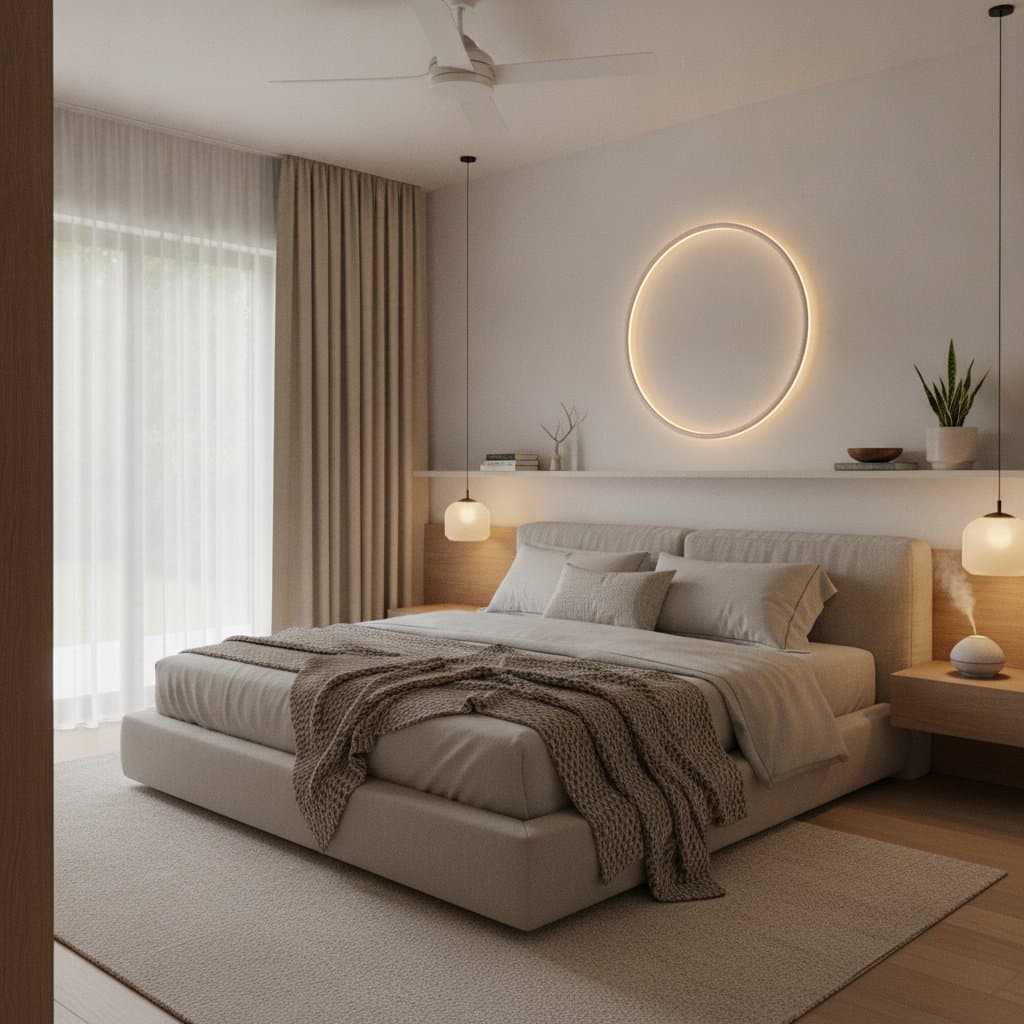
- Incorporate neutrals. Use creams, oats, or soft browns to stabilize vibrant choices and ensure versatility.
- Optimize lighting. Experiment with bulb warmth and brightness to make colors vibrant yet restful.
- Add tactile elements. Include plush fabrics, wood grains, and faint aromas to amplify emotional impact.
- Experiment gradually. Apply test patches or temporary samples to monitor mood variations across the day.
Examples from Design Practice
Luxury accommodations and wellness centers apply dopamine principles to craft immersive havens. Coral-upholstered headboards with butter yellow curtains simulate dawn's gentleness. Lavender linens over white sheets replicate spa-like calm, and teal walls alongside timber pieces import coastal serenity.
Minimalist interiors benefit similarly. A lone terracotta accent or pale pink textile can warm a neutral palette. Focus remains on resonance rather than abundance; every choice advances a narrative of delight and rejuvenation.
Sustaining Emotional Benefits Through Color
After integrating these colors, monitor shifts in daily energy. Notice if mornings bring greater ease or evenings quicker relaxation. Such observations confirm the space's role in emotional health.
Color psychology blends creativity and evidence, yet its strength resides in lived application. This approach transcends decoration, shaping the daily emotional landscape. Select shades that nurture pleasure and peace to support holistic well-being.