Mood-Boosting Colors Transforming Bedrooms in 2026
Many individuals experience a lack of inspiration in their bedrooms due to factors beyond furniture or layout. Color choices in paint, fabric, and finishes directly influence emotions within the space. If mornings bring sluggishness or evenings resist relaxation, the current palette may contribute to these sensations.
Color serves as one of the simplest and most cost-effective methods to revitalize a bedroom. However, misconceptions often lead homeowners to select trends without considering impacts on mood, sleep, and energy. Emerging trends in 2026 emphasize palettes that promote mental wellness, tranquility, and vitality beyond mere aesthetics.
Why Color Influences Mood and Energy
Repainting a room frequently yields underwhelming results because individuals overlook saturation, undertones, and light interactions. A serene green in a sample may appear muted under bedroom illumination. Similarly, a vibrant blue from images can evoke chilliness on full walls.
The Principles of Dopamine Decor
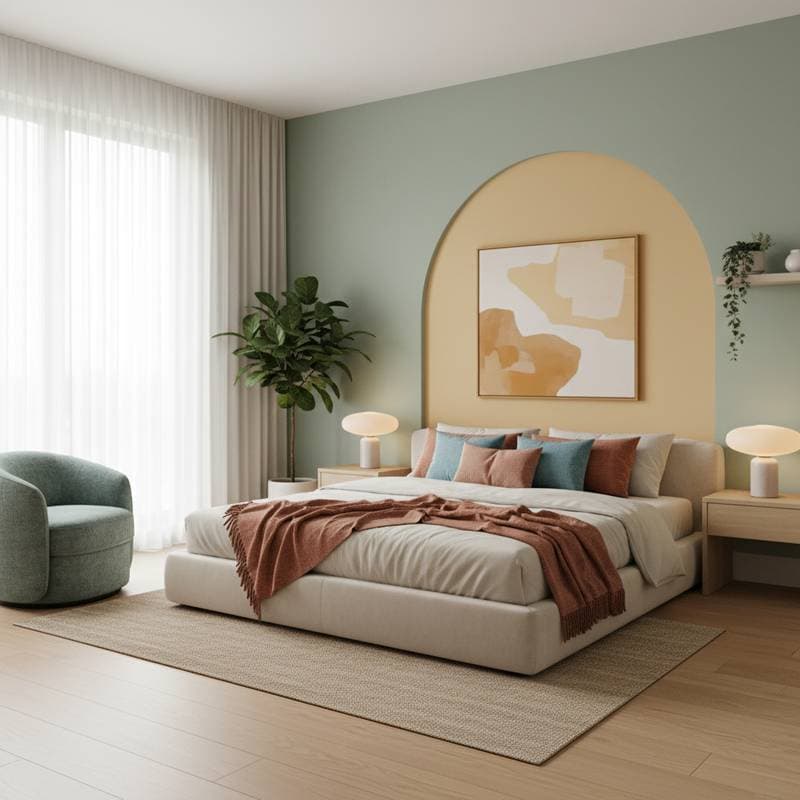
Dopamine dressing involves clothing in vivid, uplifting colors to elevate spirits. This concept extends to interiors through dopamine decor, which employs stimulating shades to foster positive responses. In bedrooms, application avoids extremes like neon walls; instead, it incorporates targeted accents for joy amid restfulness.
Emotional zoning guides this approach: neutral bases paired with measured pops of color in textiles, artwork, or details. Attempts to replicate bold magazine layouts often result in quick reversals due to overload. Success lies in restraint, ensuring colors refresh rather than overwhelm.
Planning a Bedroom Color Refresh
Recoloring a bedroom requires more than surface application; it demands preparation and foresight. Allocate time for surface readying, drying periods, and tidying. Exercise patience in sampling shades to confirm suitability.
Key elements include:
- Surface preparation: Thorough cleaning, repairing flaws, and smoothing with sanding for a flawless base.
- Light evaluation: Assessing samples under varied illumination to detect shifts in appearance.
- Coordination plan: Determining neutrality or harmony for trim, ceilings, and doors relative to walls.
A solo effort typically spans a weekend for wall repainting. Incorporating fixture updates or wall coverings extends the timeline by an additional day. Professionals accelerate execution, yet personal insight drives color selection aligned with desired sensations.
Essential Tools, Materials, and Skills
Repainting demands basic proficiency and precise equipment, accessible to novices with care.
Required tools:
- Angled brush (2 inches) for precise edging and trim work.
- Roller (9 inches) with medium-nap sleeve for efficient wall coverage.
- Extension pole to reach elevated surfaces.
- Painter's tape, drop cloths, ladder or stool, paint tray with liners, and sanding supplies.
Necessary materials:
- Surface-appropriate primer.
- Selected interior paints.
- Caulk for trim sealing.
- Mild detergent for initial cleaning.
One gallon covers approximately 350 square feet per coat; budget for two coats. Suitable for beginners to intermediates capable of straight lines and routine maintenance. Complex features like high vaults or rough textures benefit from expert intervention.
Step-by-Step Guide to Implementation
1. Identify Desired Emotions
Establish the primary sensation for the space before proceeding. Relaxation suits extended evenings, while motivation aids morning routines. This focus narrows color options.
- Relaxation palettes: Subdued blues, sage greens, gentle taupes.
- Motivation palettes: Coral, terracotta, soft yellows.
- Creativity palettes: Lavender, teal, muted rose.
2. Sample Thoroughly
Apply generous patches to walls and monitor across daily light cycles: dawn, midday, dusk. Illumination alters perception dramatically.
Observe samples over two days minimum. This practice prevents costly errors and ensures alignment with real conditions.
3. Incorporate Neutral Foundations
Dopamine elements thrive with neutral anchors such as warm whites, greiges, or beiges. These allow accents to emerge without discord.
Match bold fabrics with subdued walls, or vivid walls with minimal textiles. Harmony emerges from collaboration, not rivalry.
4. Integrate Textural Layers
Enhance color with materials that reinforce the mood.
- Cool schemes pair with plush linens, velvets, or brushed cottons.
- Warm schemes align with woods, rattans, or woven wools.
Textures add dimension, transforming flat surfaces into inviting environments. Contrast a sleek wall with a textured headboard or knit accents for comforting depth.
5. Refine Illumination
Lighting amplifies or undermines hues. Warm bulbs foster intimacy; cooler ones sharpen tones. Verify bulb warmth prior to commitment.
In low-light rooms, layer sources: overhead, focused, and ambient. This versatility adapts to daily rhythms.
6. Infuse Individual Touches
With core colors set, introduce accents like painted furniture, rugs, or pillows for personal flair. These elements deliver dopamine boosts flexibly.
Select adaptable items. Seasonal or stylistic shifts allow refreshes without extensive overhaul.
Addressing Frequent Challenges
Patchy Application
Inconsistent drying often stems from insufficient product or erratic rolling. Reapply evenly, maintaining a continuous wet edge to eliminate overlaps.
Unexpected Shade Variations
Primer or lighting may shift outcomes. Adjust with warmer bulbs or supportive artwork. For persistent issues, contrast a single wall with a variant tone rather than full redo.
Sensory Overload
Vivid palettes may tire over time. Neutralize with plain linens; a crisp duvet balances intensity effectively.
When to Seek Expertise
DIY suits straightforward repaints, but complexities like texturing, ceiling treatments, or trim installations warrant professionals. Address underlying issues such as dampness, flaking, or mold through root-cause resolution before recoloring.
Qualified specialists evaluate and remedy these concerns, ensuring longevity.
Emerging Bedroom Color Directions
Neutrals endure as staples, yet palettes now embrace hues evoking optimism and ease. Warm clays, softened corals, and creamy butters supplant stark grays.
Greens persist for their natural ties and calming influence. Lavender and lilac gain traction for gentle vitality. These selections prioritize enduring appeal over fleeting fashion.
Accents lean toward sunlit blues, terracottas, and rose beiges. Combined with off-white details and organic elements, they blend energy with repose.
Strategies for Optimal Results
- Select hues compatible with dawn and dusk light.
- Maintain undertone unity: cool with cool, warm with warm.
- Opt for matte sheens in serene settings; eggshell or satin for resilient areas.
- Apply primer consistently to achieve accurate color rendering.
- Harmonize adjacent spaces to prevent abrupt transitions.
Preserving the Refresh
Quality maintenance extends vibrancy. Lightly dust surfaces quarterly with microfiber tools to avert residue. Steer clear of abrasive cleaners that erode sheens.
In moist climates, employ dehumidifiers to inhibit mold in edges and overheads. Store remnants sealed for minor repairs.
Minor updates like pillow swaps or shade changes renew without full commitment.
Realizing Lasting Well-Being
Mood-enhancing colors yield swift, profound shifts, turning weary retreats into revitalized havens. Dopamine decor fosters deep emotional resonance, aligning spaces with inner needs.
Approach selections with deliberation, light awareness, and intent. The outcome: a bedroom that nurtures daily rhythms and sustains tranquility beyond surface appeal.