How UV-C Technology Works in Bathrooms
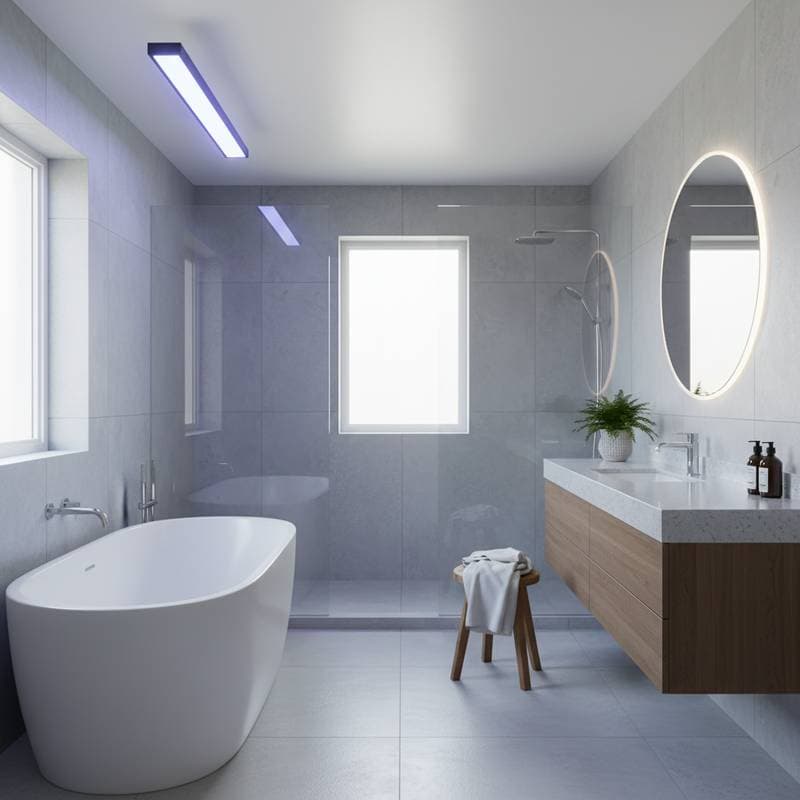
UV-C fixtures emit ultraviolet light at wavelengths between 200 and 280 nanometers, which disrupts the DNA of bacteria, viruses, and mold, rendering them inactive. Hospitals and water purification systems have employed this method for decades due to its chemical-free efficacy. In residential bathrooms, it delivers ongoing, unobtrusive sanitation that complements manual cleaning.
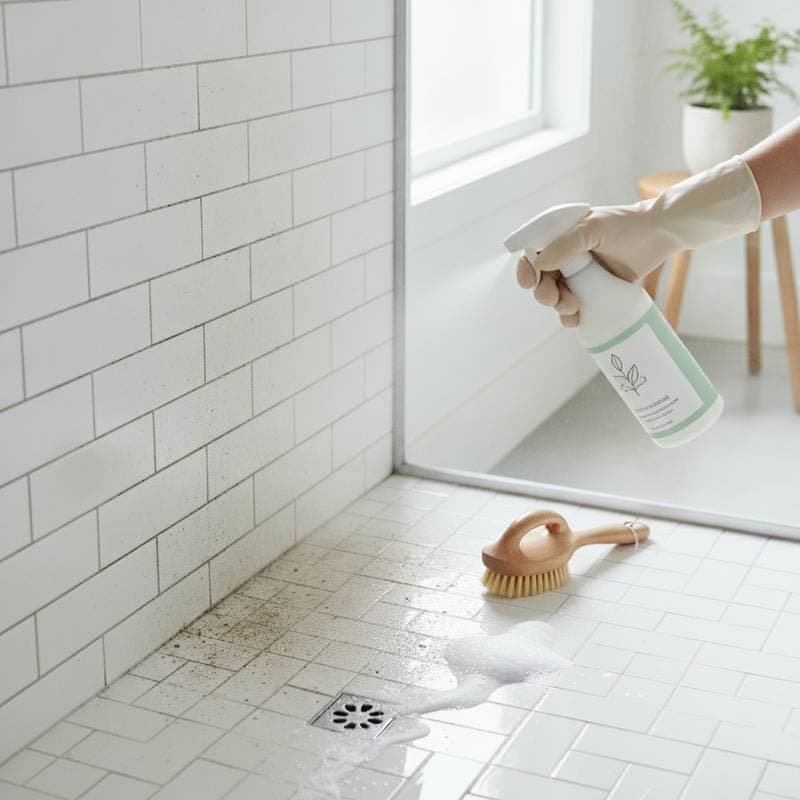
High humidity and frequent use make bathrooms prone to microbial proliferation in areas like grout lines, drain traps, and fixture bases. Traditional wiping often misses hidden spots, allowing residues to accumulate. UV-C addresses these challenges by targeting surfaces continuously, thereby extending intervals between thorough scrubs and enhancing overall air quality.
Installation Project Summary
- Active Installation Time: 2 to 4 hours
- Overall Duration: One day, encompassing planning, execution, and verification
- Required Expertise: Intermediate, with basic electrical knowledge
- Cost Range: $180 to $600, varying by model complexity and additional features
Homeowners with experience in fixture replacements can tackle UV-C installations independently, provided they respect electrical safety. For complex wiring or integrated smart features, engage a licensed electrician to mitigate hazards. Mounting and alignment tasks suit DIY efforts once power connections are secure.
Deciding Between DIY and Professional Assistance
Opt for DIY when swapping a compatible existing fixture, ensuring the breaker trips fully and a voltage tester confirms zero current. New setups involving sensors or app controls benefit from expert intervention to prevent operational failures or unintended UV exposure.
Professionals excel in optimizing placement for unobstructed coverage, as UV-C requires direct line-of-sight to surfaces. Misaligned fixtures create shadowed zones vulnerable to contamination. Electricians assess room dimensions to recommend single or multi-unit configurations for uniform illumination.
Required Materials and Tools
Materials:
- UV-C fixture suitable for ceiling or wall mounting
- Compatible mounting hardware and anchors
- Wire connectors and grounding components
- Optional safety warning labels
- Switch upgrade or smart module for control
Tools:
- Drill equipped with appropriate bits for surface type
- Non-contact voltage tester
- Assorted screwdrivers
- Wire stripping tool
- Measuring tape
- Stable ladder
- Protective eyewear and gloves
Detailed Installation Steps
1. Design the Coverage Plan
Examine bathroom dimensions and pinpoint high-risk zones such as shower enclosures, toilet surrounds, and vanity areas. Calculate fixture distances to achieve overlap without gaps; a single unit suffices for spaces under 50 square feet, while larger rooms may require two. Sketch angles to direct light toward floors and walls effectively.
2. Disconnect Power and Clear the Site
Locate the breaker and switch it off, then apply the voltage tester across wires to verify absence of electricity. Dismantle the current fixture methodically, photographing connections for reference. Retain reusable elements like junction boxes if they align with the new setup.
3. Secure the Mounting Base
Drill pilot holes and insert anchors into drywall, tile, or masonry as specified. Align the base plate precisely, fastening it with screws to prevent wobbling. Verify levelness using a bubble tool to promote balanced light dispersion and aesthetic integration.
4. Connect the Electrical Components
Match wires accurately: black to hot, white to neutral, and green or bare to ground. Twist connections securely with nuts, insulating exposed ends with tape. Fold wires compactly into the box before snapping the fixture housing into place.
5. Integrate Protective Mechanisms
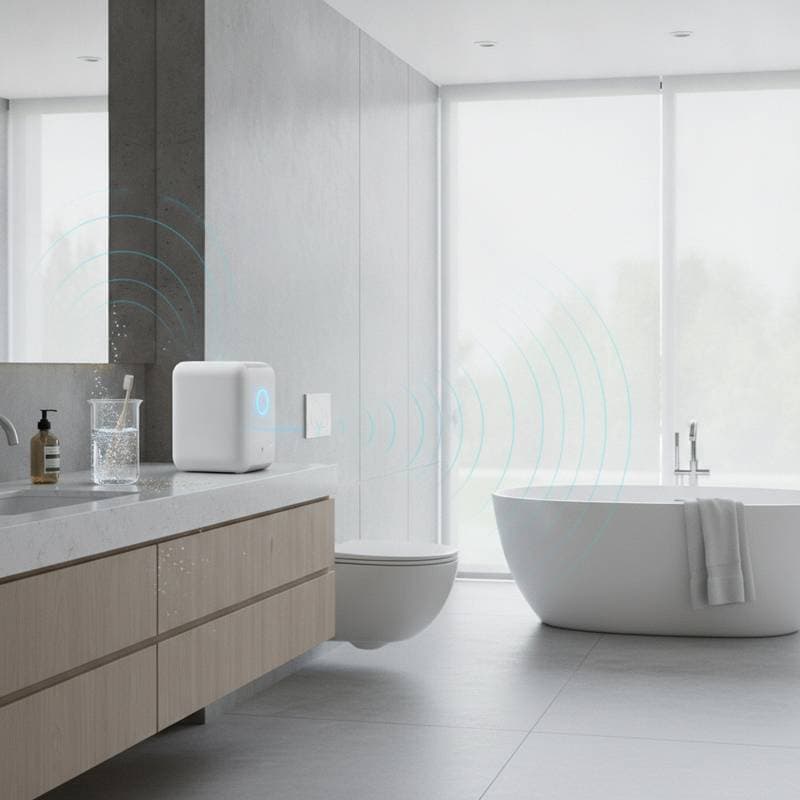
Affix motion detectors or timers per the manual, positioning sensors to detect occupancy reliably. These automations deactivate UV output upon entry, safeguarding users from exposure. Test sensor range to cover the entire entry path.
6. Activate and Initial Test
Re-energize the circuit and observe the fixture's startup sequence. Confirm activation of visible indicators during UV cycles and proper shutdown responses. Cycle the system multiple times to detect irregularities in timing or power draw.
7. Assess Light Distribution
Employ UV indicator strips or cards placed on target surfaces, then run a full cycle with the room sealed. Inspect for color changes indicating exposure; reposition or supplement fixtures if patterns reveal deficiencies. Document adjustments for future reference.
Achieving High Standards in Installation
Precision elevates functionality: bundle wires orderly to avoid shorts, torque screws just enough to hold without damaging surfaces, and ensure horizontal alignment. Apply silicone sealant around edges in moist zones to bar water ingress. Select fixtures from trusted manufacturers with documented irradiance levels in milliwatts per square centimeter; verify independent lab validations for potency.
Ongoing Care and Upkeep
UV-C systems demand minimal intervention, with lamps enduring 9,000 hours or more before efficacy wanes. Schedule replacements every 12 to 18 months based on usage logs, regardless of visible glow. Diminished output invites microbial resurgence, undermining benefits.
Wipe lenses monthly using a soft, lint-free cloth moistened with water to remove films from steam or splashes. Deactivate power prior to any contact, and steer clear of abrasives that etch quartz elements. Annual inspections check for loose mounts or sensor drift.
Financial Planning and Cost-Saving Options
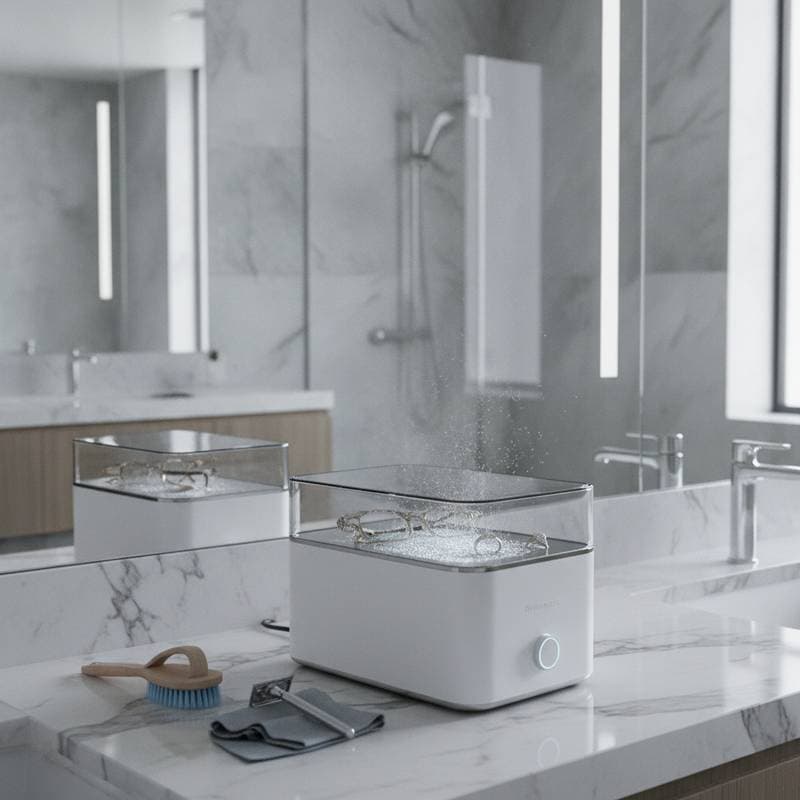
For constrained budgets, portable UV-C devices or countertop sterilizers offer entry-level disinfection at under $50, targeting handles and counters sporadically. During remodels, embed UV-C into new circuits for seamless integration and lower labor fees. Hybrid models merging visible and UV illumination optimize utility in compact spaces.
Critical Safety Protocols
UV-C potency necessitates vigilance: refrain from alterations that amplify output or disable safeguards. Direct exposure risks burns or vision impairment, so enclosures must remain intact. Adhere to operational manuals, and install advisory stickers at access points.
Restrict child access through locked panels or app-based controls that schedule unoccupied runtime. Educate household members on protocols to prevent accidental activation.
Practical Strategies for Optimal Performance
Pair UV-C with exhaust fans to lower ambient moisture, amplifying microbial control. Select glossy, pale finishes for walls to bounce rays farther. Program 5- to 10-minute bursts hourly for sustained sanitation without high energy consumption.
Log installation and service dates directly on the unit for effortless tracking. Monitor utility bills post-installation to quantify savings from curtailed cleaning sessions.
Extending Hygiene Gains Long-Term
Consistent UV-C use not only curbs immediate contaminants but also preserves fixture longevity through preventive habits. Homeowners report 50 percent less scrubbing time, translating to hours reclaimed weekly. This investment yields a resilient, low-effort sanctuary that aligns with modern demands for health and convenience.