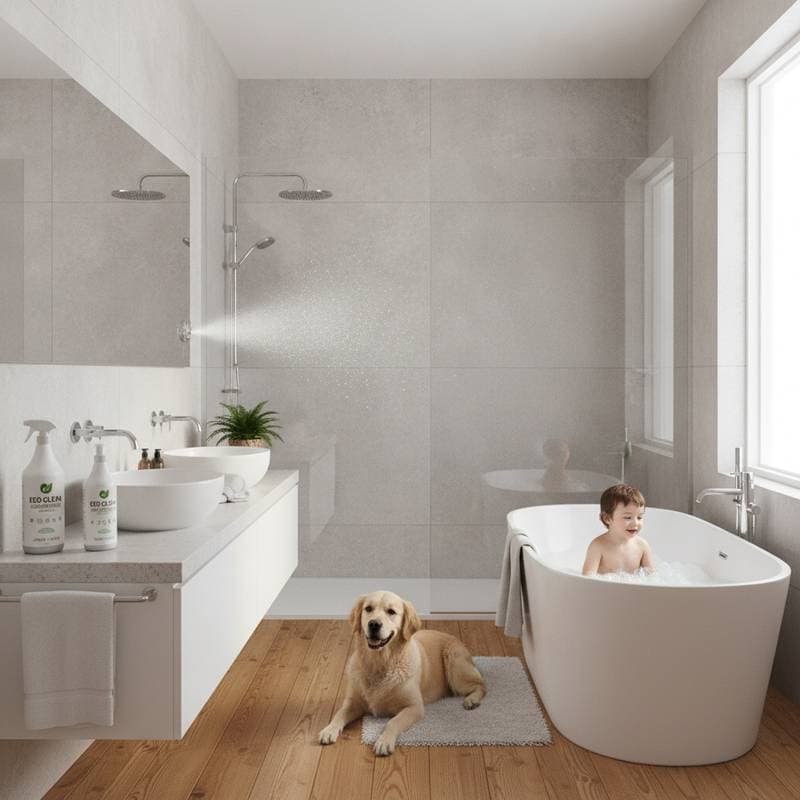
The Rise of Enzyme Cleaners in Bathroom Care
Imagine a bathroom that sparkles without the sharp scent of bleach or ammonia. Grout appears pristine, drains flow freely, and surfaces maintain their luster over time. Enzyme cleaners achieve this through biological processes rather than aggressive chemicals, offering a safer, more sustainable approach to hygiene.
Social media platforms like TikTok have propelled these products into the spotlight. Users demonstrate how enzyme formulas dissolve stubborn residues naturally, aligning with broader demands for non-toxic home care. This shift reflects a preference for methods that prioritize long-term effectiveness and environmental responsibility.
Understanding Enzyme Functionality
Enzymes function as specialized proteins that catalyze chemical reactions. In cleaning products, they target organic compounds like fats, proteins, and carbohydrates prevalent in bathroom environments. This selective action ensures precise breakdown of contaminants without affecting inorganic surfaces.
The Appeal on Social Media Platforms
TikTok videos capture the dramatic before-and-after transformations of enzyme applications. Creators apply solutions to clogged drains or soiled tiles, allowing time for the enzymes to activate before revealing clear results. These visuals captivate audiences seeking efficient, visually rewarding cleaning techniques.
Community discussions extend beyond aesthetics to emphasize health benefits. Participants share experiences of reduced allergic reactions and improved indoor air quality. The trend fosters a collective exploration of sustainable practices, encouraging experimentation with both ready-made and homemade variants.
Natural Origins of Enzyme Formulations
Enzyme cleaners originate from microbial fermentation, akin to processes used in food production. Bacteria or fungi produce these proteins under controlled conditions, yielding concentrated solutions for household use. This biological sourcing ensures compatibility with natural ecosystems.
In bathrooms, enzymes address common issues through targeted mechanisms:
- Lipase enzymes degrade fatty residues from soaps and body oils, preventing slippery films on fixtures.
- Protease enzymes dismantle protein-based odors from hair and waste, neutralizing sources of persistent smells.
- Amylase enzymes consume starch remnants that nourish mold, inhibiting future proliferation.
This comprehensive approach eliminates rather than conceals problems, promoting sustained freshness.
Practical Applications for Bathroom Surfaces
Enzyme cleaners integrate seamlessly into daily routines, often replacing several specialized products. Their non-abrasive nature suits delicate materials like porcelain and glass. Users report easier maintenance with consistent application.
Cleaning Showers and Bathtubs
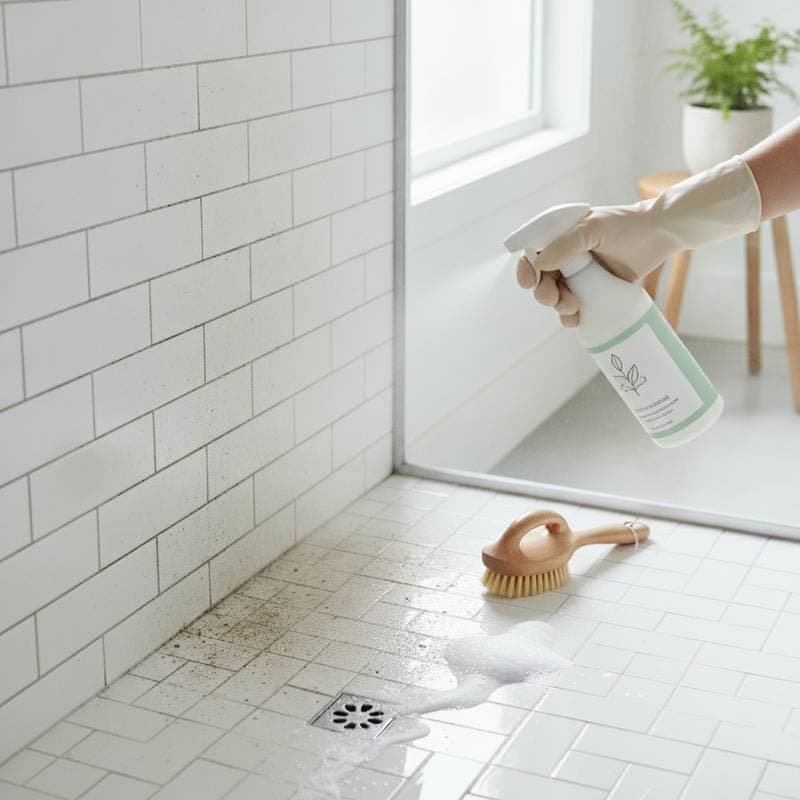
Apply the solution liberally to affected areas and allow 10 to 15 minutes of dwell time. Gently agitate with a soft brush if needed, then rinse thoroughly. For heavy accumulation, apply nightly over a week to observe progressive improvement without mechanical effort.
Maintaining Clear Drains
Introduce one cup of enzyme cleaner into the drain opening in the evening. Follow with hot water the next morning to flush remnants. This method clears pipe interiors weekly, averting blockages and associated odors.
Refreshing Toilet Bowls
Dispense a quarter cup into the water and under the rim, waiting 15 minutes before brushing. Flush to remove loosened deposits. Weekly treatments keep porcelain bright and reduce waterline staining.
Polishing Floors and Fixtures
Dilute two tablespoons in a gallon of warm water for mopping or wiping. Focus on high-touch areas to eliminate invisible residues. This routine preserves shine and prevents microbial adhesion.
Treating Fabrics and Accessories
Incorporate half a cup into laundry cycles for shower curtains or rugs. The enzymes lift organic stains during washing, ensuring thorough refreshment without added scents.
Creating Homemade Enzyme Solutions
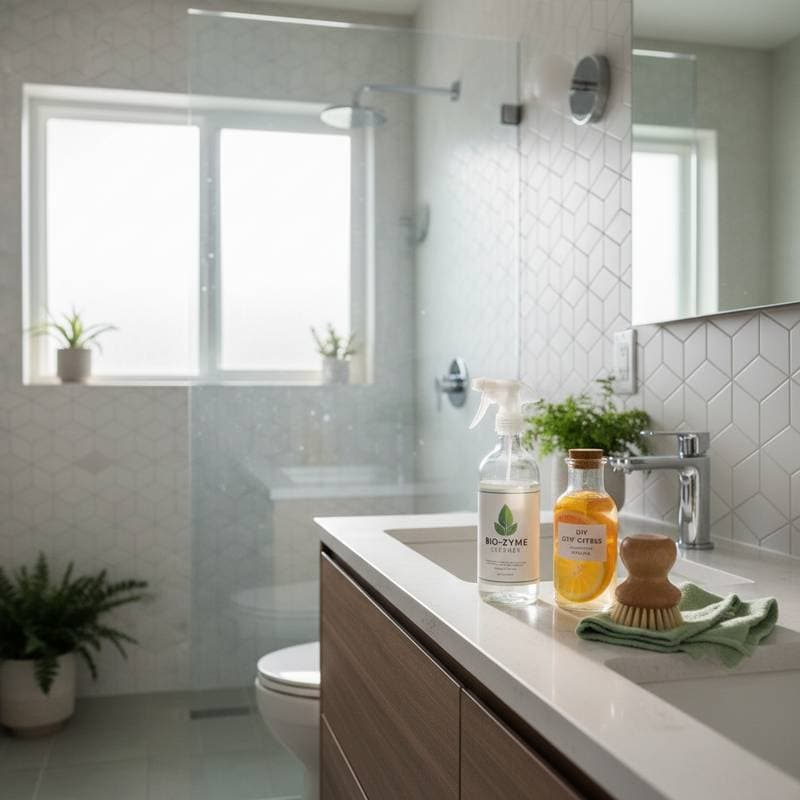
Home production of enzyme cleaners involves simple fermentation, providing a customizable option. This process requires basic ingredients and minimal equipment, yielding a versatile concentrate.
Gather citrus peels from two to three fruits, one cup of brown sugar, and three cups of water. Chop the peels finely, mix with sugar and water in a wide-mouth jar, and cover loosely. Ferment in a warm location for two to four weeks, stirring daily until bubbling ceases, then strain and store refrigerated.
Use the liquid diluted 1:10 with water for general cleaning. While less potent than commercial versions, it effectively handles light duties and embodies self-sufficiency.
Environmental and Health Advantages
Conventional cleaners introduce volatile compounds that compromise air quality and aquatic life. Enzyme alternatives biodegrade fully, posing no threat to septic systems or waterways. Their formulation minimizes packaging needs through concentrates.
Health professionals note fewer instances of respiratory irritation among users of bio-based products. Septic-safe properties support rural households, while refillable options curb plastic consumption. Overall, these cleaners align with holistic sustainability goals.
Environmental expert Dr. Laila Chen highlights their role in preserving microbial ecosystems. By selectively degrading organics, enzymes avoid broad disruptions, fostering balanced wastewater treatment.
Selecting Quality Enzyme Products
Product efficacy varies based on enzyme concentration and additives. Scrutinize labels for active ingredient details to avoid diluted formulations.
Prioritize options with:
- Explicit enzyme types like lipase or protease.
- Essential oil-based scents over artificial ones.
- Dilutable concentrates for economical use.
- Certifications for cruelty-free production.
Reputable brands demonstrate commitment through transparent sourcing and performance testing.
Addressing Misconceptions
Enzyme cleaners face skepticism due to their novel status in consumer markets. Clarifying facts empowers informed choices.
Misconception: They lack the power of chemical agents.
In truth, their sustained action yields superior long-term results, though initial effects may appear gradual.
Misconception: They eradicate all microbes.
Actually, they starve bacteria by removing nutrients, promoting natural decline without antibiotics.
Misconception: Limited to organic messes.
Many include mild surfactants to handle inorganic particles, broadening their utility.
These insights position enzymes as complementary tools in comprehensive cleaning strategies.
Tailored Benefits for Bathroom Environments
Bathrooms accumulate organics rapidly due to moisture and daily use. Enzymes thrive in these conditions, extending their activity for proactive care. This targeted efficiency suits high-humidity spaces.
In compact or poorly ventilated areas, the absence of fumes enhances comfort. Regular enzyme use diminishes scrubbing demands, conserving time and energy.
Integrating Enzymes into Routines
Adopt enzyme cleaning incrementally to build familiarity. Begin with drain treatments, then incorporate surface sprays. Track progress to refine techniques.
Assemble a dedicated kit with divided containers, applicators, and dilution tools. Accessibility encourages adherence, evolving chores into streamlined habits.
Sustained practice leads to effortlessly maintained spaces, emphasizing prevention over remediation.
Experiencing Lasting Cleanliness
Embracing enzyme cleaners yields tangible improvements in bathroom vitality. Fresher air and resilient surfaces underscore the value of biological innovation. This method not only cleans but elevates daily living through mindful, effective care.