Acoustic Panels: Blending Sound Control with Striking Design
Homeowners and office designers often face acoustic hurdles in renovated spaces or hybrid work areas. Acoustic panels solve these by absorbing unwanted echoes while acting as eye-catching decor. This guide covers their advantages, setup methods, and design tactics to foster harmonious, appealing interiors.
The Essentials of Acoustic Panels
Sound dynamics shape comfort in homes and workplaces. Hard floors and walls create echoes that muddle speech, distort media, and strain focus during calls. Acoustic panels capture these reflections, delivering crisp audio and quieter surroundings.
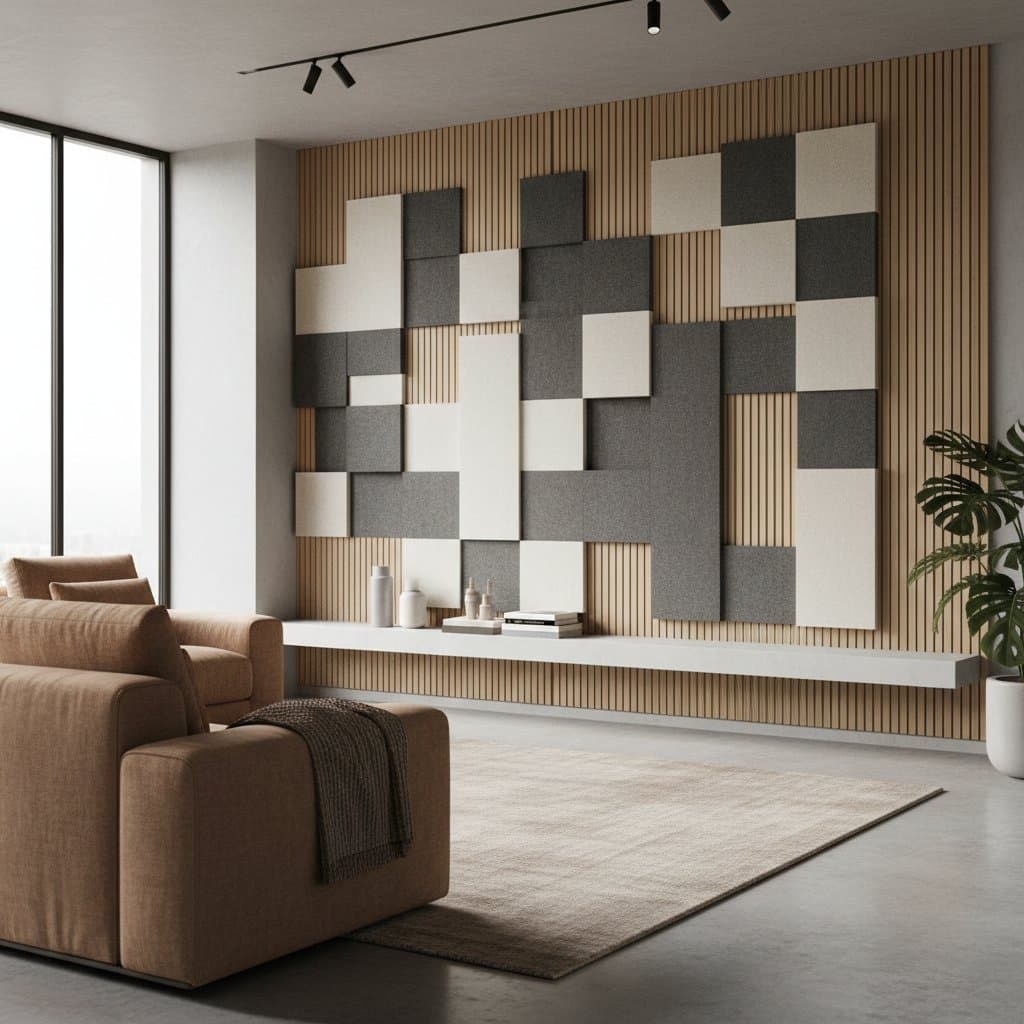
Modern iterations transcend basic utility through innovative materials. Wood veneers offer warmth for traditional rooms, while colorful fabrics inject energy into modern layouts. Experts favor them in home theaters, conference zones, and expansive kitchens to boost functionality without sacrificing appeal.
Mechanics of Sound Absorption
Weaving Panels into Your Decor
Choose panels that echo your space's vibe. Oak slat designs deliver clean lines for Scandinavian simplicity, whereas teal felt hexagons energize urban lofts. Scale matters: oversized panels anchor large walls, while smaller ones accent niches.
Position at mid-height to highlight features, such as above a sofa or beside shelves. Opt for tone-on-tone fabrics to blend subtly, letting panels support the overall scheme. Mix with rugs or drapes for layered absorption that feels organic.
Experiment with layouts for visual pop. Cluster circles in a gallery wall to guide sightlines, or line a hallway with vertical strips for subtle rhythm. This approach ensures sound benefits without clashing aesthetics.
Step-by-Step Installation Guide
User-friendly designs make setup approachable for beginners. Prep walls by cleaning thoroughly, then apply peel-and-stick foam tiles in minutes; they lift off residue-free for leased spaces. Follow package guidelines for even pressure to secure adhesion.
For robust wood or fabric units, use wall anchors or clips for safety. Leave a one-inch gap behind panels to boost airflow and efficiency. Hire acousticians for custom jobs; they employ apps to map reverb and suggest exact spots.
Time varies by scale: a single accent wall finishes in 30 minutes, but full-room treatments span hours. Check ratings for flame retardancy in kitchens or nurseries, and test stability post-install to confirm secure fit.
Smart Ways to Manage Costs
High-end panels excel in performance, but everyday swaps yield strong outcomes. Add bookshelves packed with volumes or velvet ottomans to dampen echoes affordably. Hang blackout curtains in city apartments to curb street sounds.
Budget picks like vinyl-backed absorbers mimic upscale looks at fraction of price. Arrange starburst motifs for wallpaper-like charm, pairing with angled sofas to redirect noise flows. Track savings by prioritizing high-echo zones first.
Eco-friendly variants from bamboo composites or upcycled denim provide durable, textured finishes. Introduce gradually: install a test panel, listen for changes, then expand. This method refines choices while controlling spend.
Emerging Trends in Acoustic Innovation
Designers integrate panels into everyday objects, like perforated desks or hanging dividers, for fluid multifunctionality. Such advances suit evolving routines, from podcast nooks to collaborative hubs.
Eco-materials lead the charge, with mycelium foams offering low-carbon absorption. These maintain efficacy across climates, appealing to green builders. Wider use in offices and residences signals a shift toward integrated, thoughtful environments.
Optimizing and Maintaining Your Setup
Post-install, evaluate through routine activities. Clap hands in corners to detect lingering reverb, or compare voice recordings pre- and post-setup for clarity gains. Relocate panels as furniture shifts to sustain balance.
Illuminate strategically with recessed lights to showcase grains or weaves, adding dimension. Dust fabrics weekly with a soft brush to sustain porosity. These habits preserve performance, adapting to lifestyle evolutions.
Acoustic panels unlock refined, responsive spaces. Select and position with intent to nurture focus and tranquility. Start small to unlock their power in harmonizing sound and sight.