Moss Walls: Living Art Elevating Garden Design
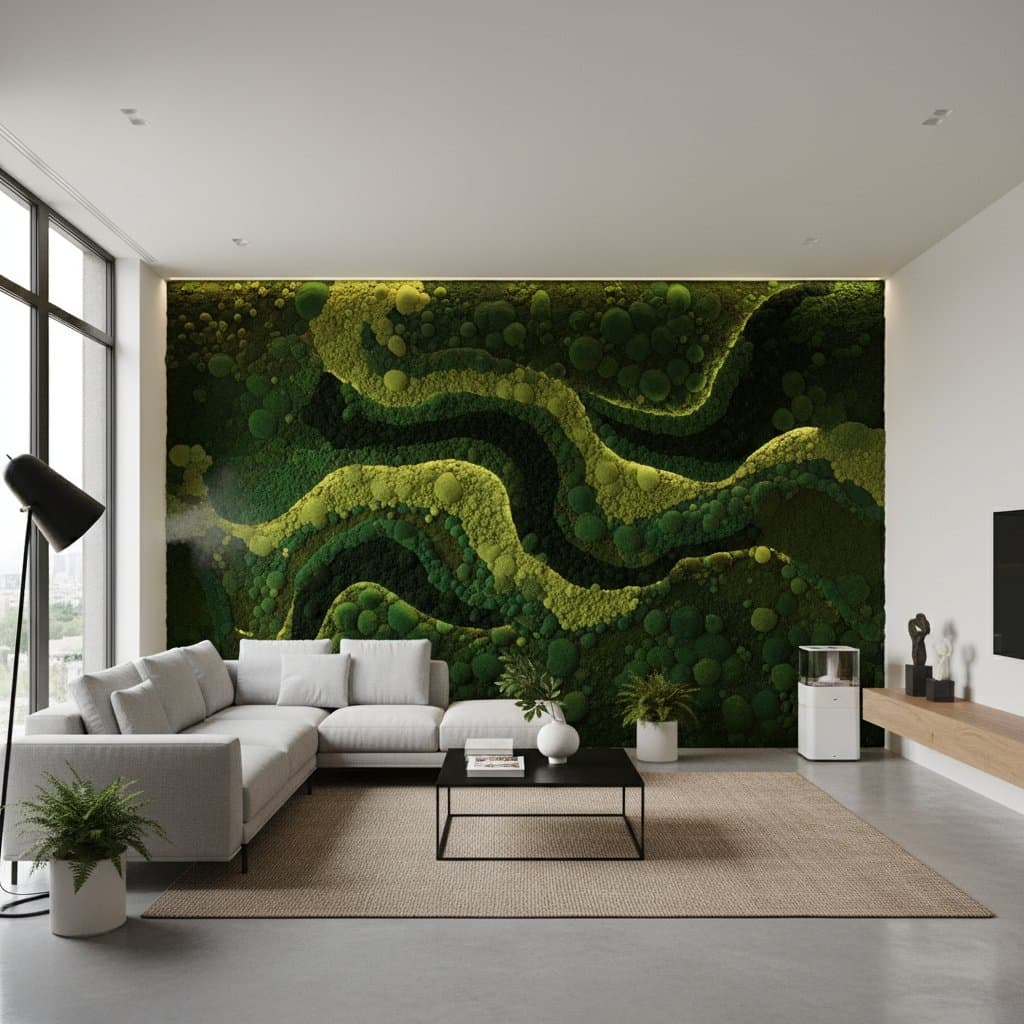
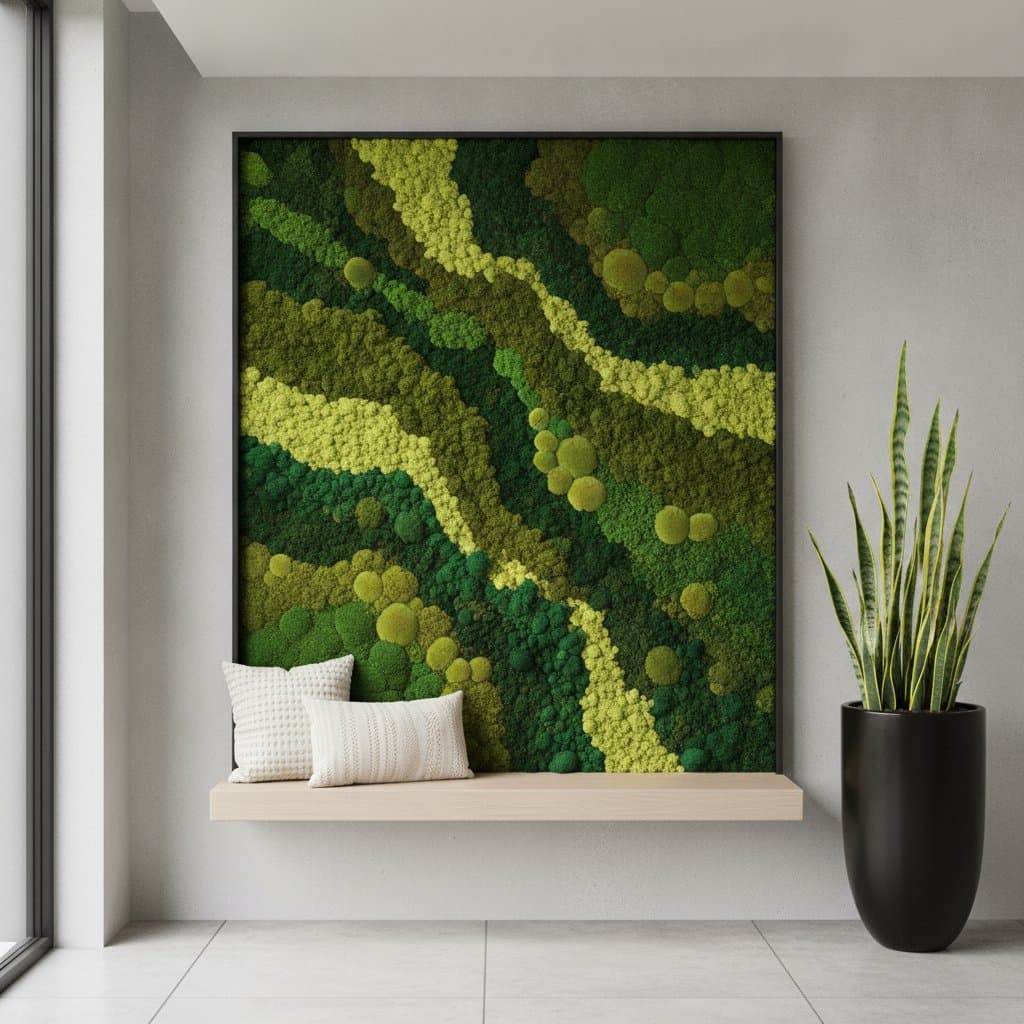
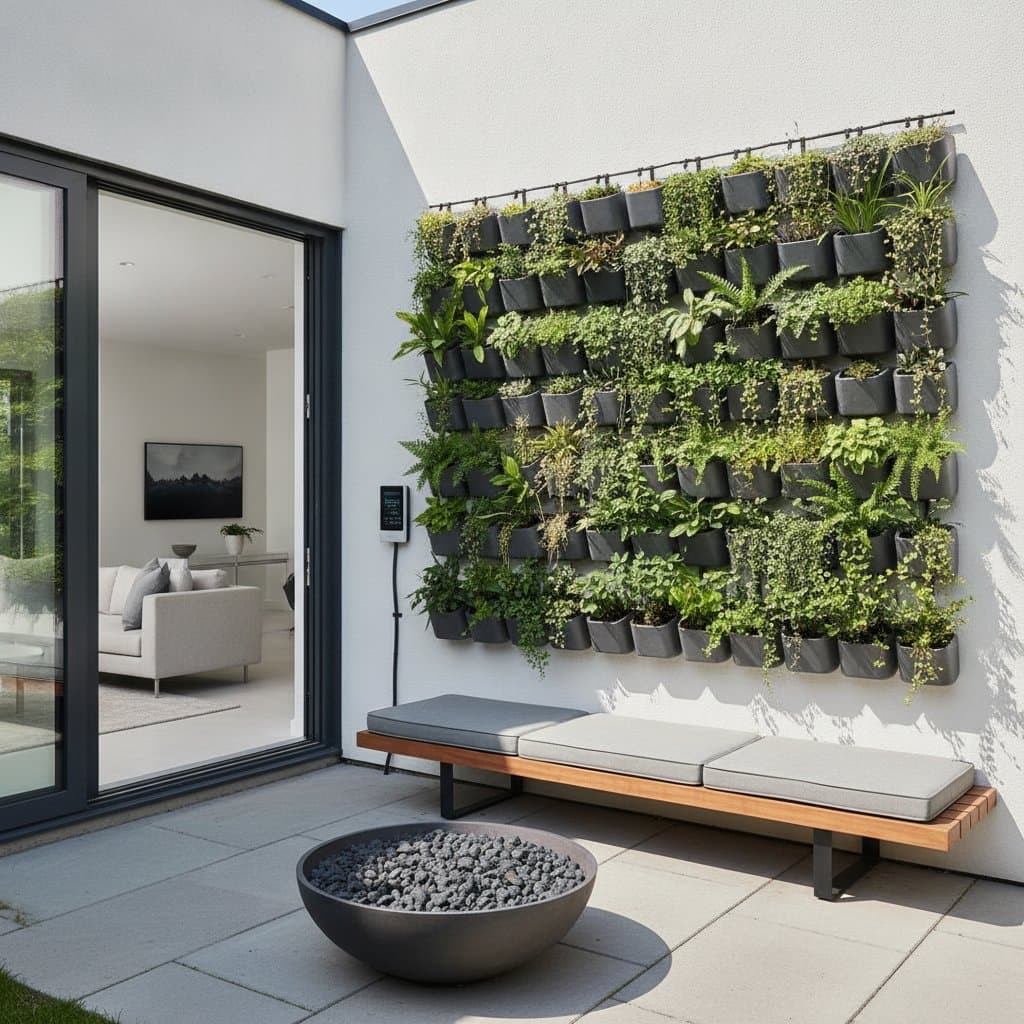
Imagine entering a room or garden where a wall pulses with vitality, draped in lush, soft green layers. Such is the essence of a moss wall, a vertical garden that has evolved from fleeting novelty to enduring element in indoor and outdoor settings. These installations infuse contemporary areas with nature's soothing essence and redefine stark walls as organic masterpieces. However, their apparent simplicity belies the need for precise knowledge to sustain these living features.
The Real Appeal of Moss Walls
Homeowners gravitate toward moss walls for their provision of verdant accents without the rigorous demands of typical vegetation. Unlike conventional plants, moss requires no routine trimming, deep irrigation, or intense solar exposure. Lacking true roots, it adheres to substrates like stone, timber, or masonry and draws sustenance from atmospheric moisture and nutrients. This adaptability suits it ideally for dim gardens, covered patios, or interior partitions distant from sunlight.
What You Need Before You Begin
Assess your environment thoroughly prior to constructing a moss wall. Gather these essentials to ensure success:
- Light Assessment: Opt for diffused illumination. Excessive direct rays desiccate the moss, whereas insufficient light hampers expansion.
- Humidity Source: Moss flourishes in moist conditions. Select locations such as bathrooms, sheltered verandas, or proximity to fountains.
- Proper Backing Material: Select permeable options like cork panels, netting, or preserved lumber. Steer clear of synthetics, which retain dampness and foster deterioration.
- Tools and Supplies: Prepare a stapler, shears, mister, neutral pH solution, and protective gloves. For treated moss setups, include organic-compatible glue.
- Moss Selection: Live options such as sheet, cushion, or fern varieties yield varied tactile qualities. Treated moss, processed for enduring hue and pliability, suits minimal-effort interior applications.
Step-by-Step Installation
Assembling a moss wall blends creativity with structural technique. Follow these stages for optimal results.
- Prepare Your Surface. Scrub the target area to eliminate residues and contaminants. For framed assemblies, employ decay-resistant timber.
- Add a Moisture Barrier. In live moss projects, apply a vapor-permeable sealant to safeguard underlying elements.
- Attach the Base Layer. Fasten netting or fabric to the framework with fasteners. This foundation retains hydration and anchors the moss.
- Apply the Moss. Embed the moss securely into the substrate, with slight overlaps for uniformity. For treated types, distribute adhesive sparingly to avoid premature desiccation.
- Mist the Wall. Post-assembly, apply a fine spray to integrate and moisten the installation.
- Monitor Humidity and Light. Maintain ambient moisture at 40 to 60 percent. In arid zones, position a compact humidifier adjacent to support vitality.
Common Mistakes and How to Avoid Them
Many enthusiasts overlook site-specific conditions, a primary pitfall for moss walls. Arid atmospheres or unfiltered sunlight prove detrimental. Similarly, opting for raw lumber or composite boards invites distortion from persistent dampness.
Employ filtered water devoid of minerals or sanitizers; purified or collected rainfall serves best. Should browning occur, forgo heavy drenching, which impedes respiration. Instead, evaluate circulation and moisture balance.
For treated moss, recognize its static nature. It withstands neither restoration nor harm. Shield it from intense light and thermal sources like ducts or radiators.
When to Call a Professional
DIY suits modest panels, yet expansive coverings or those incorporating conduits warrant specialist intervention. Engage experts for integrations involving illumination, automated hydration, or robust fixtures. They guarantee adequate runoff, electrical integrity, and regulatory adherence.
Specialists also advise on climate-appropriate moss strains. Harvesting from natural sites risks ecological harm or legal infractions in certain locales. Procure from certified vendors to uphold ethical practices.
Caring for Your Moss Wall
Established moss walls respond well to consistent, light-touch regimens.
- Apply a gentle mist weekly or biweekly, calibrated to ambient dampness.
- Dust adjacent areas to curb accumulation.
- Inspect for insects periodically, particularly in exterior placements.
- Refrain from synthetic detergents or supplements; moss derives needs from environs.
Should vibrancy fade, employ a soft bristle and purified water for refreshment. Treated variants typically require mere periodic sweeping.
Pro Tips for Success
- Trial a compact area initially to gauge environmental compatibility.
- Blend moss forms for enhanced depth and authenticity.
- Illuminate subtly with low-heat LEDs to accentuate without parching.
- Position away from drafts or fluctuating thermal zones.
- For exteriors, site under intermittent cover to mitigate solar and gust impacts.
Sustaining the Serenity of Your Moss Wall
Beyond aesthetics, a meticulously crafted moss wall reshapes spatial ambiance. Its subdued, organic texture imparts tranquility unmatched by static finishes.
Nurture this feature by honoring its ecological preferences. Such deliberate care yields enduring rewards over sporadic interventions.