Key Points
- Enzyme-based drain cleaners are replacing harsh chemical products because they are safer for homes and the environment.
- These natural solutions use biological activity to break down waste, grease, and buildup without damaging pipes.
- Experts predict enzyme cleaners will become the leading choice for households and commercial cleaning services within the next few years.
- Consumers are driving the shift toward eco-friendly cleaning products that match their sustainability goals while still delivering strong results.
- The transition away from corrosive chemicals can protect plumbing systems, reduce water pollution, and improve indoor air quality.
The Scene: A Common Kitchen Crisis
Picture this: a slow-draining kitchen sink filled with murky water and a faint odor that hints at something decomposing deep below. You reach for the nearest bottle under the sink, a thick plastic container with bold red warnings printed across the label. Maybe you hesitate for a moment, reading the small print about ventilation and protective gloves, then pour it down and hope for the best.
Cultural Context: The Eco Shift in Cleaning Habits
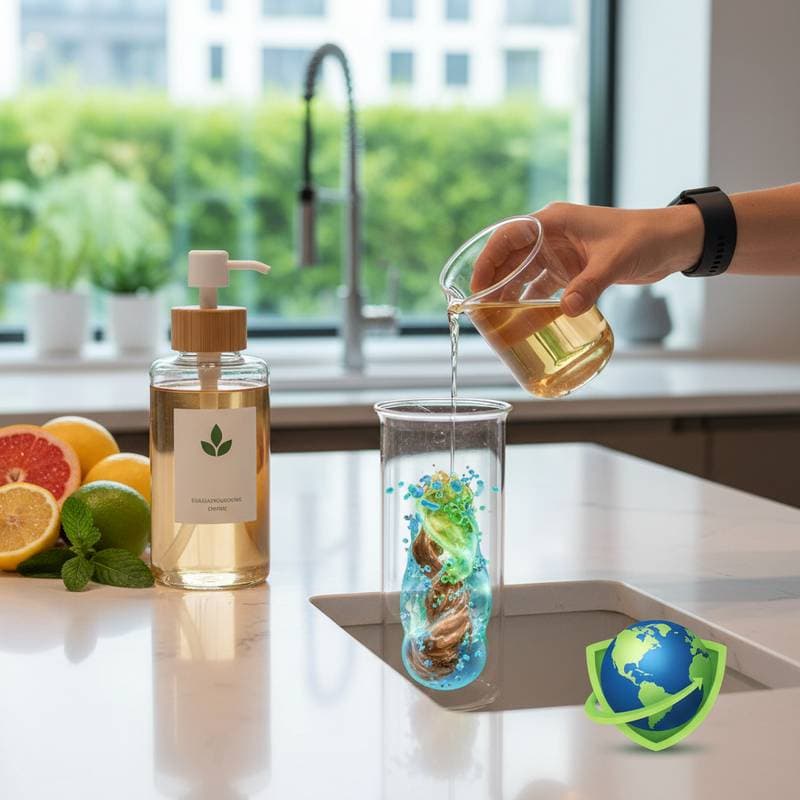
The movement toward environmentally conscious cleaning has been gaining traction for years, but enzyme-based cleaners represent a major leap forward. These products rely on naturally occurring proteins that speed up the breakdown of organic matter. When poured into a clogged drain, they essentially digest the buildup, leaving behind water and carbon dioxide instead of chemical residue.
The cultural push for cleaner, safer homes has matched growing awareness about what happens after cleaning products leave sinks. Harsh chemicals can corrode pipes, leach into groundwater, and disrupt aquatic ecosystems. Consumers are connecting these dots and demanding alternatives that perform without leaving behind a chemical footprint.
Retail data from several major home improvement chains already shows a steady rise in enzyme cleaner sales. Influencers in sustainable living and eco-focused cleaning professionals promote them not as a novelty, but as the future standard.
Detailed Investigation: How Enzymes Actually Work
Enzymes are biological catalysts, meaning they accelerate natural processes. In drain cleaning, they target organic waste such as grease, soap scum, food particles, and hair. Each type of enzyme specializes in breaking down a specific material.
- Protease enzymes break down protein-based residues such as food scraps or hair.
- Amylase enzymes target starches and carbohydrates that cling to pipes.
- Lipase enzymes attack fats and oils, turning thick grease into a liquid that rinses away easily.
The cleaning process works gradually, which is why enzyme products often require a few hours or overnight to deliver full results. Unlike chemical cleaners that burn through clogs using heat or acid, enzymes digest waste safely. This biological approach keeps pipes intact and avoids releasing fumes into the air.
Plumbing experts say that regular use of enzyme cleaners can prevent buildup before it becomes a full blockage. The cleaners can even establish a protective biofilm inside pipes, where beneficial bacteria continue to maintain flow long after the initial treatment.
Expert Integration: Voices from the Field
According to plumbing technician Carla Nguyen, enzyme cleaners are becoming her go-to recommendation for residential clients. “People used to think natural meant weak, but that misconception is fading fast,” she said. “Enzymes keep drains clear without the risk of corrosion, which saves customers money on long-term repairs.”
Environmental chemist Dr. Luis Herrera agrees. He explained that enzyme-based formulas mimic natural decomposition. “You are essentially using biology to clean biology,” he said. “It is cleaner chemistry because it avoids synthetic compounds that persist in water systems.”
Major cleaning product manufacturers are also investing heavily in enzyme research. The trend mirrors what happened in laundry detergents and dishwashing liquids, where enzymes replaced harsher surfactants to improve performance while reducing toxicity.
Practical Application: Using Enzyme Cleaners at Home
Switching to enzyme drain cleaners does not require a total routine overhaul. The key is consistency. Unlike chemical products that promise instant results, enzyme solutions rely on regular application.
Here is how to use them effectively:
- Start with a clean surface. Flush the drain with warm water to remove loose debris.
- Apply the enzyme cleaner. Pour the recommended amount down the drain, usually one to two cups depending on product concentration.
- Let it work. Leave the solution overnight or at least several hours to allow enzymes to digest the buildup.
- Rinse thoroughly. Run warm water for a few minutes to flush out the dissolved material.
- Maintain regularly. Repeat the process weekly or biweekly to keep drains free-flowing.
For households with garbage disposals or frequent cooking grease, enzyme cleaners can serve as a preventive tool. Pouring them down the disposal can eliminate lingering odors and maintain performance.
Real-World Scenarios: From Restaurants to Residential
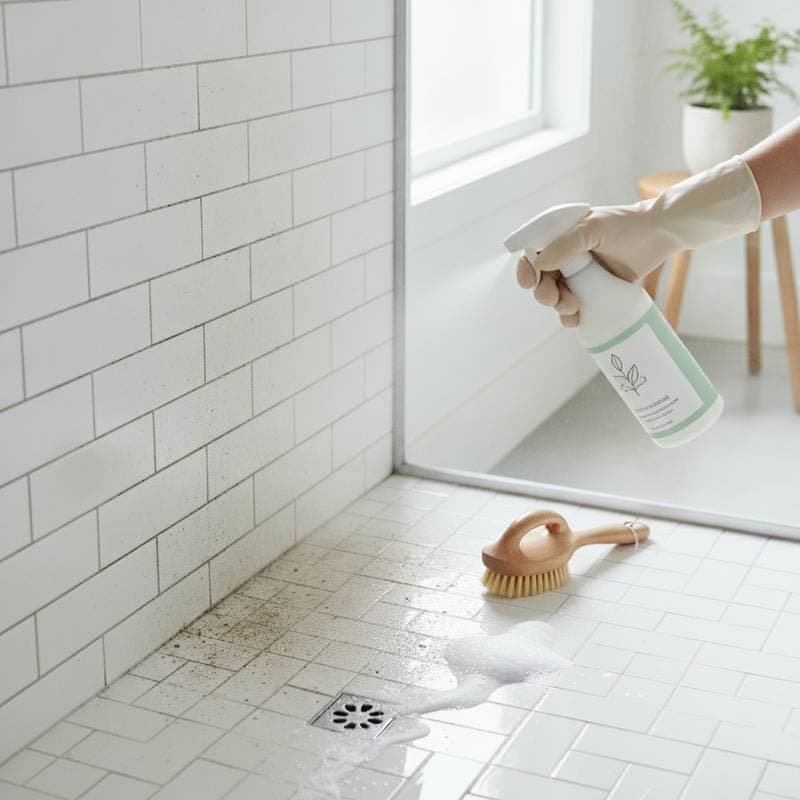
Commercial kitchens have become early adopters of enzyme-based systems. Grease traps and floor drains in restaurants often clog from constant food waste, creating maintenance headaches. Enzyme cleaners provide a safe, effective alternative that avoids the downtime and safety hazards associated with chemical treatments.
Homeowners are following suit, especially those managing older plumbing systems or septic tanks. Harsh cleaners can kill the beneficial bacteria that septic systems rely on, leading to expensive repairs. Enzyme-based products support bacterial balance instead of destroying it.
Even property managers are making the switch. Apartment complexes and hotels that use enzyme cleaners report fewer emergency plumbing calls. The reduced need for chemical disposal also simplifies compliance with local environmental regulations.
The Bigger Picture: Why This Matters
The movement toward enzyme-based drain cleaning reflects a broader shift in consumer behavior. People no longer separate cleanliness from environmental responsibility. They want products that protect both their homes and the planet.
Chemical drain cleaners have long been among the most toxic household items. Their primary ingredients can generate heat powerful enough to deform PVC pipes. When rinsed away, those same chemicals travel through wastewater systems, sometimes entering rivers and oceans where they disrupt aquatic life.
By contrast, enzyme cleaners break down naturally, leaving no harmful residue. Their packaging also tends to be more sustainable, with many brands using recycled materials or refillable containers. This combination of performance and eco-conscious design speaks to modern consumers who value transparency and accountability.
The Science of Safety
One of the biggest advantages of enzyme cleaners is their safety profile. They produce no fumes, require no gloves, and pose minimal risk to children or pets. That safety has made them popular among households with allergies or respiratory sensitivities.
Researchers have also explored the long-term effects of repeated enzyme use on plumbing infrastructure. Early findings show that pipes treated with enzyme cleaners maintain structural integrity longer than those exposed to caustic chemicals. Over time, this can translate into fewer leaks and a longer lifespan for home plumbing systems.
Behind the Trend: Marketing Meets Mindset
The rise of enzyme cleaners is not only about science but also about storytelling. Brands are framing these products as part of a lifestyle choice rather than a chore supply. Advertising emphasizes the connection between personal wellness and environmental care.
This approach matches a cultural moment where consumers see every purchase as a statement about their values. Social media amplifies the message, with influencers demonstrating enzyme cleaners in real kitchens and bathrooms rather than sterile lab settings. The appeal lies in watching something organic quietly dismantle grime while representing a cleaner conscience.
Making It Happen: Building a Greener Cleaning Routine
Transitioning away from chemical drain cleaners can start with a single product switch. Try replacing the current formula with an enzyme-based cleaner and track the difference over several weeks. Notice reduced odor, better flow, and none of the harsh fumes or warnings that once filled the cabinet.
The transformation happening in drain cleaning reflects a larger truth about modern living. Small changes, repeated consistently, can create ripple effects that protect homes and the environment.