Key Points
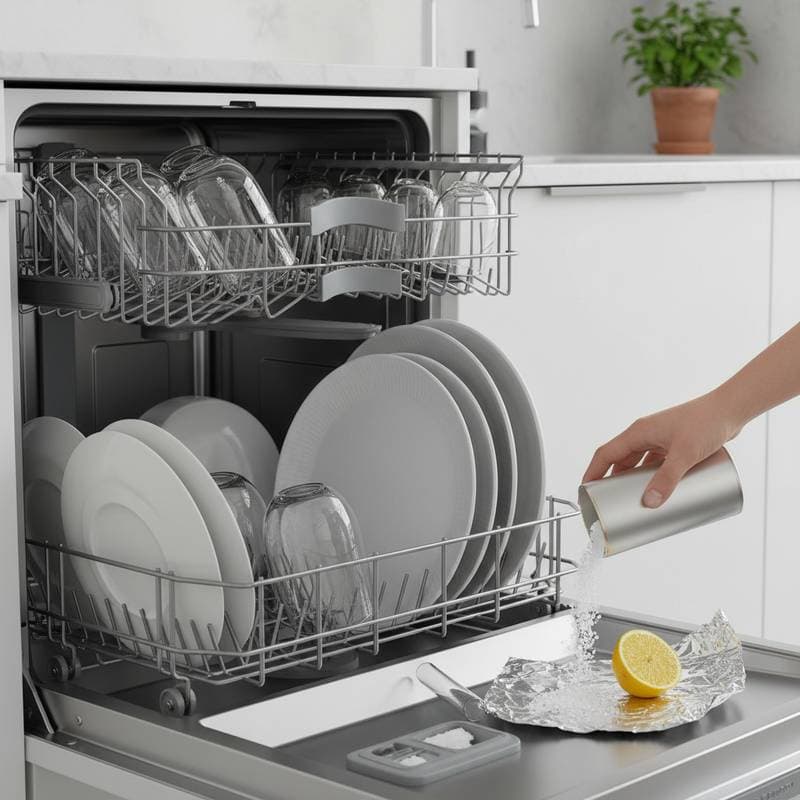
Achieve pristine, streak-free dishes through informed use of dishwasher salt rather than unverified social media shortcuts. The popular viral hack suggests sprinkling salt directly into the dishwasher for enhanced cleaning, yet it frequently ignores essential operational principles. This guide covers the role of dishwasher salt, the hack's origins, and secure, effective implementation strategies.
Budget considerations: Dishwasher salt remains inexpensive and yields long-term savings by optimizing cleaning efficiency and shielding against hard water deposits.
Safety considerations: Incorrect salt application or overfilling the softener can lead to corrosion or blockages.
Skill level: Beginner. Basic measuring, pouring, and manual consultation suffice for proper execution.
Expected outcome: Crystal-clear glassware, durable internal parts, and minimized cloudiness or buildup post-cycle.
The Viral Dishwasher Salt Hack Explained
Proper Use of Dishwasher Salt
Locate the salt reservoir in dishwashers equipped with one, typically at the tub's base near the filter. Access requires unscrewing a capped opening for refills. Consult the manufacturer's manual for model-specific guidance, though the standard procedure follows these steps:
- Remove the lower rack to expose the compartment.
- Unscrew the cap and note any residual water.
- Fill with dishwasher salt via a funnel to avoid spills.
- Initiate a rinse or brief cycle to dissolve loose grains before adding dishes.
- Secure the cap firmly to maintain system integrity.
This technique regenerates the internal softener resin effectively. It safeguards against corrosion and prolongs component longevity.
Step-by-Step Guide for Applying the Viral Hack Safely
To experiment with the viral concept without endangering your appliance, adopt this modified protocol that aligns with dishwasher mechanics.
- Empty the dishwasher fully. Ensure the tub and filter remain clear.
- Position a small ceramic or glass bowl on the bottom rack.
- Measure two tablespoons of dishwasher salt into the bowl.
- Execute a short cycle absent detergent.
- Examine the interior and any test glassware for films or residues afterward.
- Evaluate against standard cycles for comparative insights.
Containment prevents widespread scattering of salt. Positive outcomes warrant occasional repetition, though it cannot substitute for routine reservoir refills.
When to DIY and When to Call a Professional
Routine tasks such as salt refilling, filter cleaning, and rinse aid adjustments suit most homeowners. Persistent issues like leaks, electrical malfunctions, or corrosion demand expert intervention. Unauthorized tinkering with softeners or sensors may invalidate warranties or pose safety risks.
If residue persists despite accurate salt application, a service technician can diagnose issues including defective inlet valves, degraded resin, or misalignment. Early professional assessment averts costly replacements.
Traditional Craftsmanship Meets Modern Appliances
The viral hack echoes age-old craftsmanship tenets: address underperformance by returning to fundamentals. A poorly functioning tool benefits from basic upkeep, not superficial alterations.
Experience with farm machinery highlights how minor routines yield major impacts. Dishwashers endure when users comprehend and adhere to their engineered specifications. Consistent adherence delivers dependable outcomes.
Pro Tips for Success
- Select appropriate salt. Opt for pure dishwasher salt that dissolves uniformly without impurities.
- Assess water hardness. Adjust your machine's settings accordingly to optimize salt consumption.
- Ensure cap security. A loose seal invites leaks and internal damage.
- Clear compartment edges. Remove salt buildup around the rim prior to closing.
- Track cleaning efficacy. Clear glassware and spotless surfaces indicate a functional salt system.
Declining performance signals a need to review salt protocols before altering other variables.
Building on Your Skills
Mastering appliance care fosters readiness for broader home improvements. Begin with essentials like salt management, filter maintenance, and seal inspections. These introduce mechanical basics applicable to advanced tasks.
Observing interactions among water, detergents, and salt cultivates diagnostic acumen. This approach promotes efficiency and minimizes unnecessary expenses.
Safeguarding Your Appliance Investment
Proper salt handling not only ensures superior cleaning but also preserves your dishwasher's value. Regular adherence to guidelines prevents premature wear and unexpected repairs. Invest time in these practices for sustained performance and peace of mind.