Steam Cleaning: Eco-Friendly Whole House Results in 2026
We all want a home that feels clean, fresh, and safe. Yet the more we learn about traditional cleaning products, the harder it becomes to ignore chemical residues and their effects on health and the planet. Steam cleaning addresses these concerns directly. It relies on one simple ingredient to deliver results across multiple surfaces.
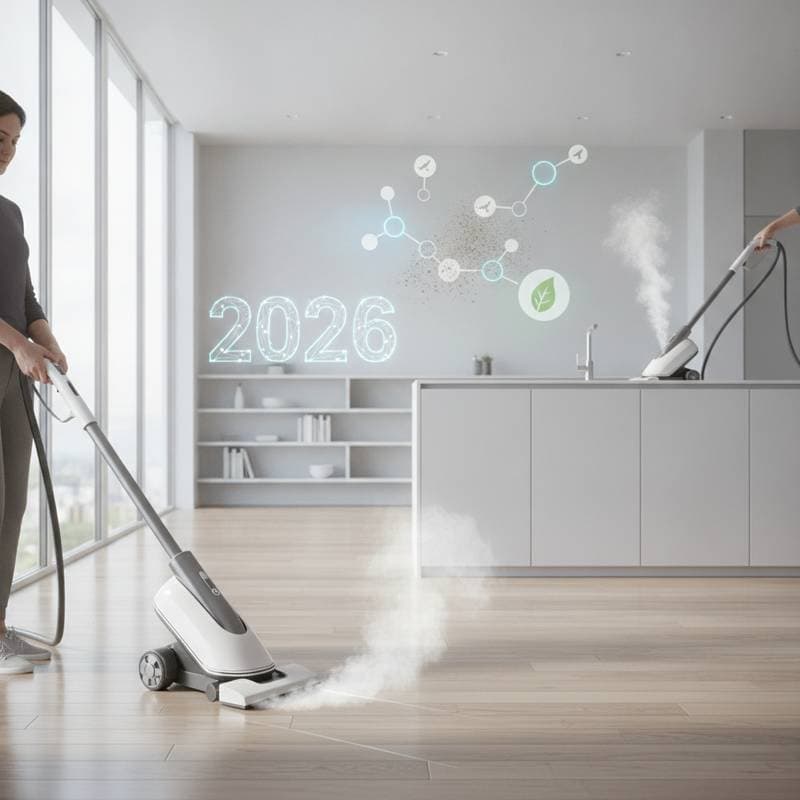
Steam cleaning uses only water. When heated to high temperatures, the vapor loosens dirt, dissolves grease, and eliminates bacteria without detergents or additives. The approach draws from principles already proven in professional kitchens and hospitals. Home models adapt the same technology for everyday use.
How Steam Cleaning Achieves Results
High-temperature vapor penetrates surface bonds that hold grime and microbes in place. Once loosened, particles wipe away easily and leave no residue. This process works particularly well on porous materials such as grout, upholstery, and textured floors where conventional methods often miss embedded soil.
Environmental Advantages
Conventional cleaners contribute to plastic waste and chemical runoff. Steam cleaning reduces reliance on multiple product bottles and thereby lowers both packaging disposal and drain contamination. A single tank of water typically covers several rooms, which supports water conservation goals.
Quick evaporation also limits moisture retention that can encourage mold. The overall process therefore combines effective cleaning with measurable resource savings.
Effective Applications
Steam cleaning adapts to many household areas. Consider these common uses:
- Floors made of tile, sealed hardwood, or laminate receive streak-free results.
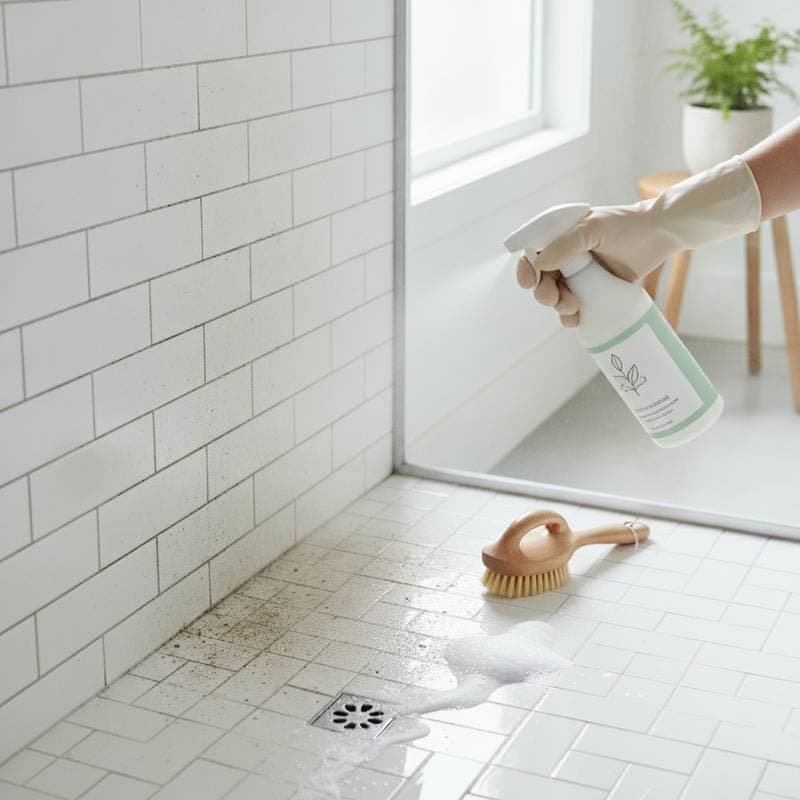
- Bathrooms benefit from natural sanitization of sinks, showers, and toilets.
- Kitchens see grease removal from stovetops, oven doors, and counters.
- Upholstery and carpets refresh without heavy saturation when proper attachments are used.
- Windows and mirrors achieve clarity without sprays or streaks.
Always verify manufacturer guidance before treating delicate surfaces such as untreated wood or silk.
Health and Indoor Air Quality
Steam cleaning lowers airborne irritants for individuals with allergies, asthma, or chemical sensitivities. It also reduces dust mites and bacteria, which supports households with children or pets. The outcome is a living space that meets both visible and invisible cleanliness standards.
Equipment Selection Guidance
Models range from compact handheld units suited to quick surface tasks to larger cylinder or upright machines designed for whole-home sessions. Key features to compare include tank capacity, heat-up duration, and available attachments. Convertible designs offer added flexibility for varied room sizes.
Practical Usage Recommendations
Steam cleaning functions best as routine maintenance rather than a remedy for deep stains or paint removal. Begin with surfaces that are already free of loose debris. Move the unit slowly to allow heat and moisture adequate contact time. Excess speed can leave residual water and reduce the quick-dry benefit.
Integration Into Daily Routines
Many households report decreased need for chemical restocking after adopting steam cleaning. The method aligns cleaning practices with both aesthetic preferences and environmental priorities. Over time it becomes a straightforward component of regular home care that delivers consistent, residue-free outcomes.