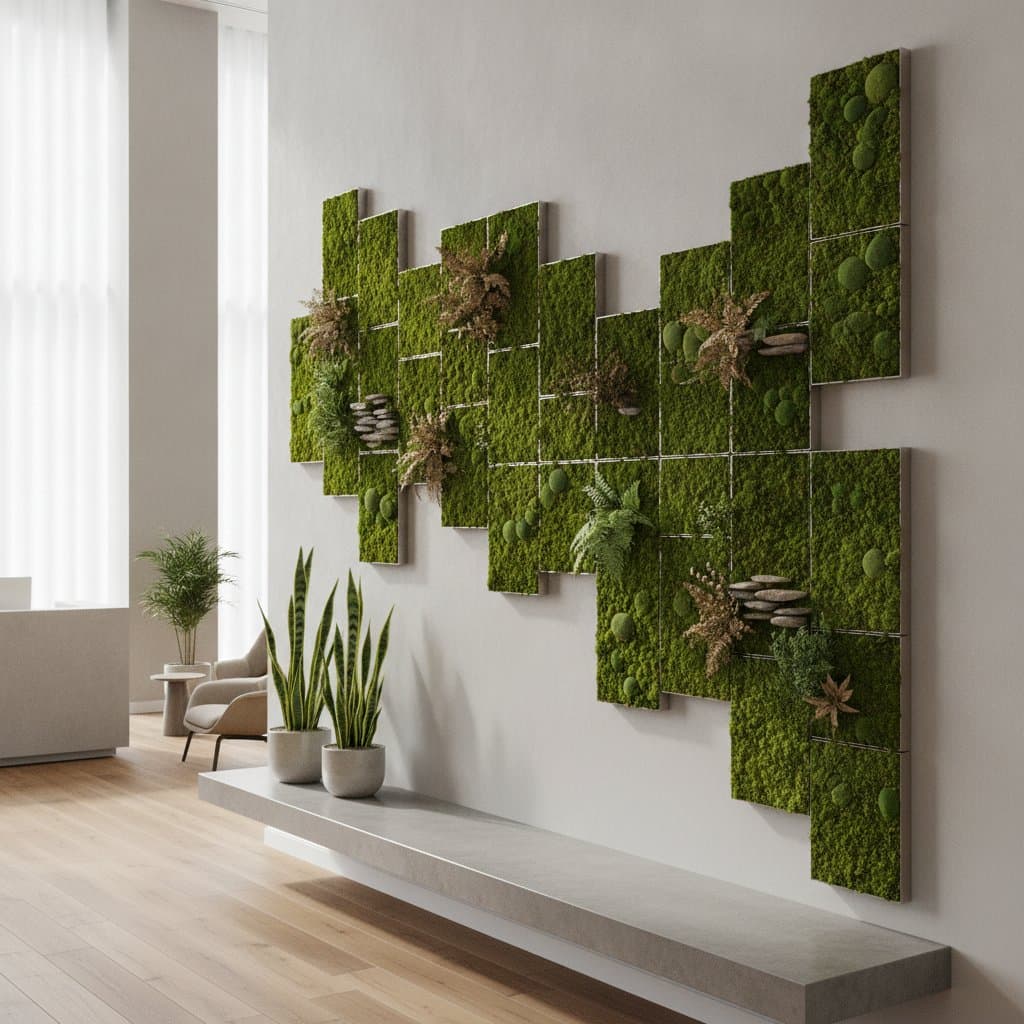
Why Vertical Gardens with AI Watering Are Rising in 2026
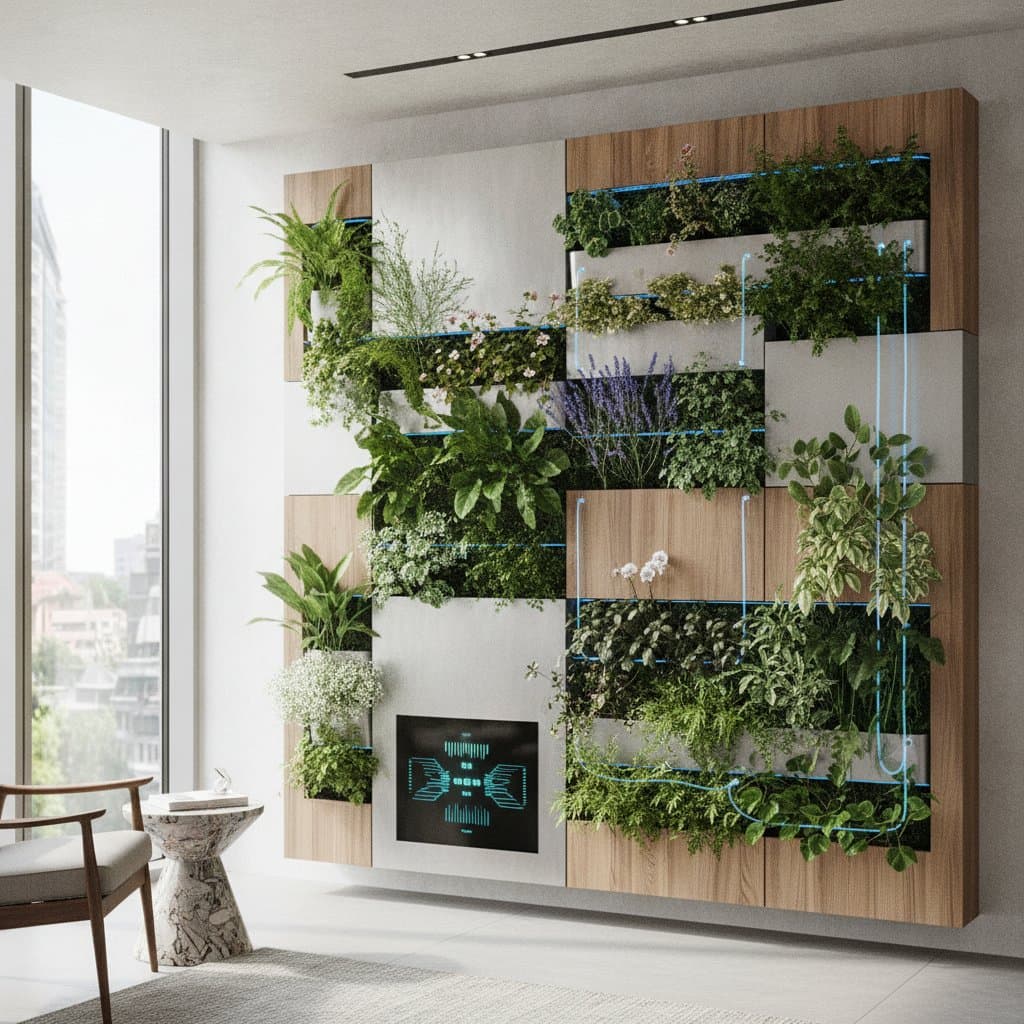
Smart vertical gardens combine living walls with automated watering systems. These setups deliver consistent moisture through sensors that track soil conditions and environmental factors. Homeowners gain reliable greenery without daily intervention.
Addressing Limited Space with Upward Growth
Many properties lack outdoor areas or floor space for traditional plant arrangements. Vertical systems mount directly onto walls to maximize planting area in compact rooms. Residents in apartments or townhouses can install multiple panels to create dense foliage coverage.
Designer Mia Cortez from Greenline Interiors noted that clients seek options they can sustain long term. Vertical configurations paired with automated watering meet this need by reducing daily tasks.
Automated Watering Systems in Practice
Practical Advantages Beyond Appearance
Living walls moderate room temperatures by releasing moisture into the air. They also filter airborne particles and reduce echo in larger rooms. Homeowners often position panels to separate open living areas or cover plain surfaces.
Exposure to indoor plants correlates with improved concentration during work hours. A single wall installation can supply this effect throughout the day.
Setup Steps for Different Living Situations
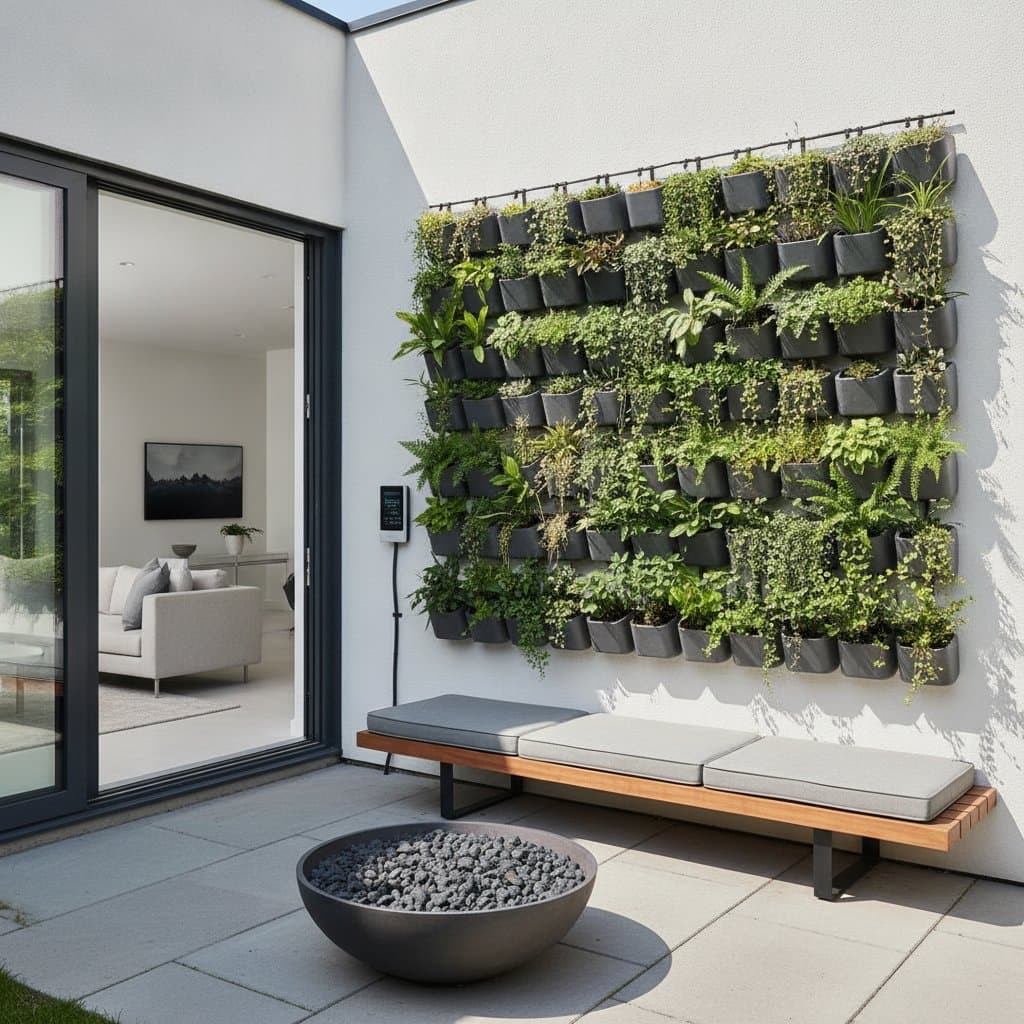
Systems include a base reservoir, sensor array, and modular planting trays. Renters select freestanding frames that attach with brackets rather than wall anchors. Owners integrate units into existing cabinetry or fencing for a built-in appearance.
Interior stylist Lena Park advises beginning with one 2-foot panel planted with shade-tolerant species such as pothos or ferns. After monitoring performance for one month, additional sections can be added based on observed growth patterns.
Resource Efficiency Through Technology
Automated controls limit water delivery to actual plant requirements, which matters in regions with usage limits. Excess liquid drains back into the reservoir for reuse in subsequent cycles. Pairing these units with drought-resistant varieties further lowers overall consumption.
Style Options and Plant Combinations
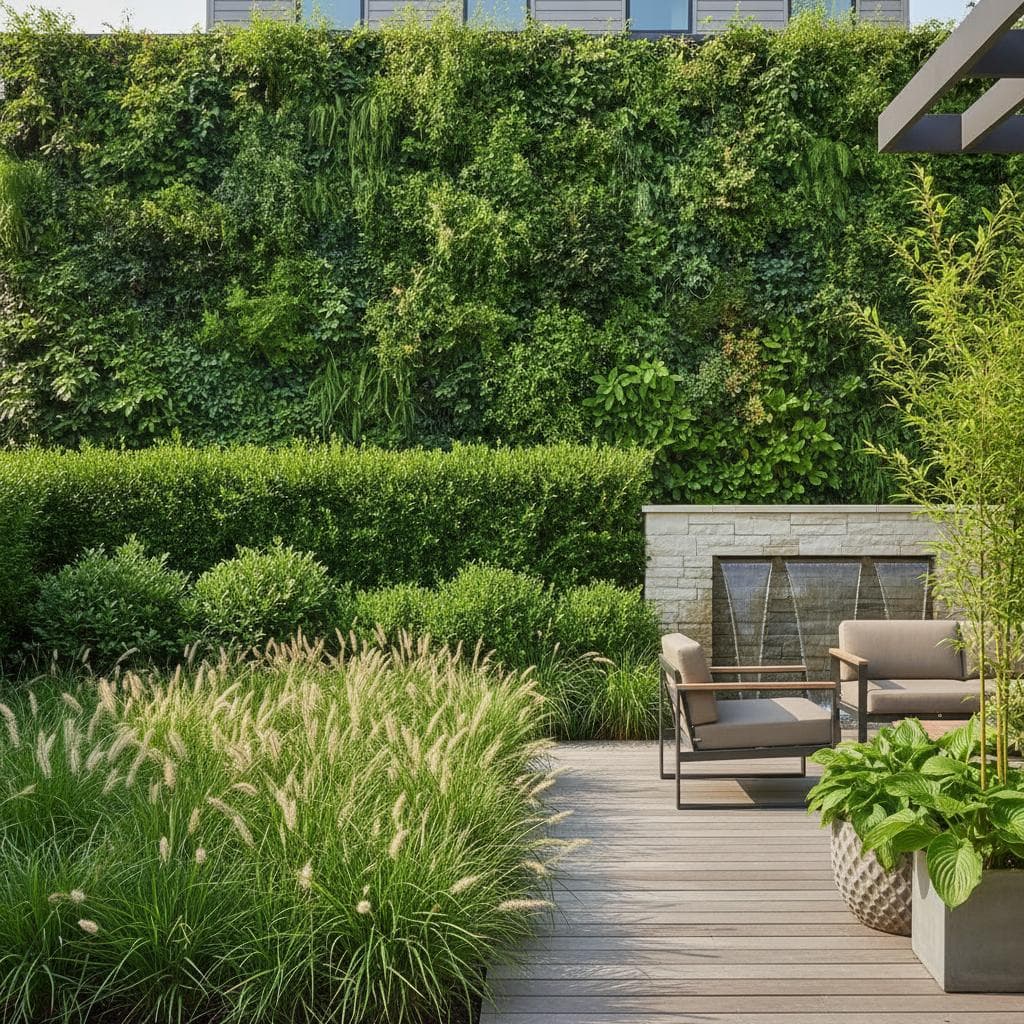
Frames range from powder-coated metal grids to reclaimed wood enclosures. Lighting strips can be mounted above panels to support growth in low-light interiors. Gardeners mix trailing vines with compact herbs on kitchen walls or select hardy ground covers for exterior applications.
Daily Experience After Installation
Water circulation produces a subtle background sound while foliage releases natural scents. Plant colors shift gradually with seasonal light changes. Owners can swap individual trays to introduce new species as preferences evolve.
Selecting and Installing an Initial Panel
Measure available wall area and available sunlight before purchase. Choose a starter kit sized for your space and connect it to a standard outlet. Monitor the application dashboard for the first two weeks to confirm sensor accuracy, then adjust plant selection accordingly.