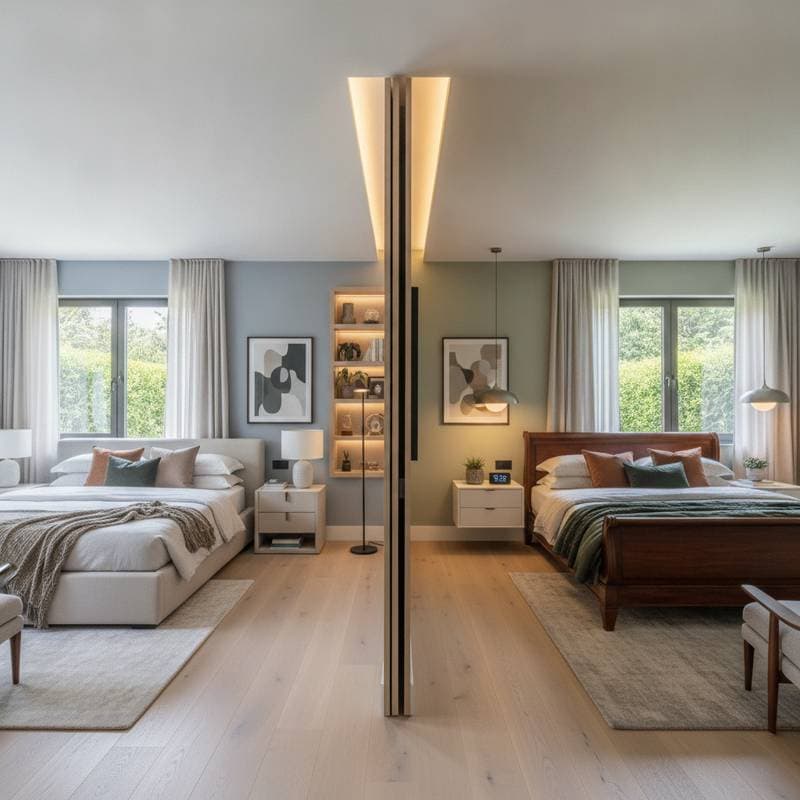
Dopamine Decor: Bedroom Strategies for Enhanced Sleep
Many individuals spend restless nights contemplating the evolving role of bedrooms beyond simple rest. Work pressures, irregular schedules, and family demands often position this space as the primary refuge for mental rejuvenation. The emerging trend of dopamine decor integrates color psychology with intentional comfort to cultivate authentic happiness and serenity. This method emphasizes environments that uplift mood and facilitate improved sleep, prioritizing emotional resonance over impeccable perfection.
Key Takeaways
- Colors influence emotions and energy, positioning dopamine decor as an effective tool for sleep enhancement.
- Textures, lighting, and scents shape the overall sense of peace in a bedroom.
- Personalized elements and comfort-oriented designs mitigate stress and encourage unwinding.
Inspirations from global styles, such as Nordic simplicity and French rustic elegance, support a harmonious balance.
The Foundation of Dopamine Decor in Bedrooms
Dopamine decor operates on the principle that environments directly impact emotional states. Rather than opting for bland, neutral setups, this style embraces vibrant yet balanced hues, sensory textures, and individual flair. Interior designer Clara Evans notes, "People recognize that home happiness extends beyond visual tranquility to evoke genuine emotional responses. A bedroom ought to envelop like a comforting embrace, not resemble a sterile display."
In a compact New York apartment, reliance on gentle neutrals expanded the perceived space. A subsequent stay in the French countryside revealed that select colors deliver warmth and rest without excess energy. Today, in a London residence, a blend of uplifting highlights and soothing bases aids family-wide relaxation.
Establishing the Color Foundation
Colors form the core of dopamine decor, requiring careful selection for sleep optimization. The objective involves hues that elevate spirits during waking hours while promoting calm as night approaches.
Recommended colors inspired by dopamine principles for restful sleep:
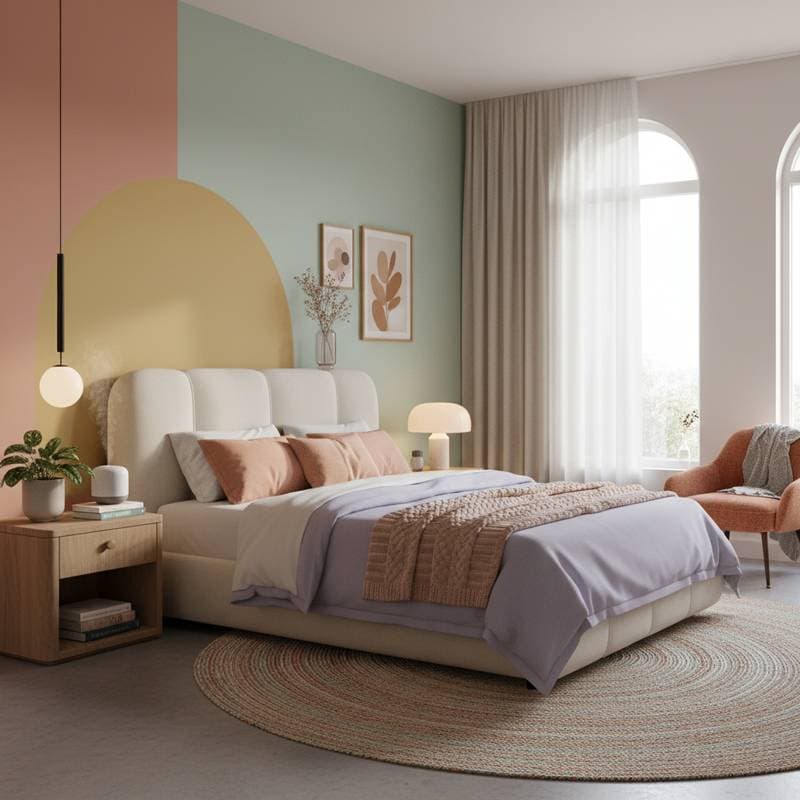
- Soft coral or blush pink: These shades inspire gentle positivity and emotional ease without agitation.
- Muted teal or sage green: They evoke natural serenity, fostering mental clarity and groundedness.
- Pale lavender or periwinkle: Subtle and eye-friendly, these tones quiet the mind and ease tension.
- Warm creams and soft buttery neutrals: They offer visual respite and enveloping coziness.
Color psychologist and sleep consultant Maya Thompson advises, "Select tones that elicit a smile by day and serenity by night. Focus on harmonious integration rather than bold applications." Consider applying a single accent wall in an uplifting shade, or incorporate layered bedding and cushions in complementary colors. For those in rental properties, introduce joy through removable elements like patterned lampshades, curated artwork, or textured storage baskets.
To implement effectively, assess personal responses: Test fabric swatches under evening light to ensure the palette aligns with relaxation needs. Pair a sage green headboard with cream linens for a nature-inspired calm that transitions seamlessly from day to dusk.
Integrating Texture for Sensory Comfort
While colors draw initial focus in dopamine decor, textures provide essential tactile support for physical relaxation. Combining varied materials invites subconscious unwinding and deepens the sense of security.
Actionable texture enhancements:
- Combine breathable linen sheets with plush velvet pillows for dynamic contrast.
- Drape a substantial knit blanket across the bed for immediate tactile warmth.
- Position a natural fiber rug, such as jute or wool, to anchor the floor with earthy stability.
- Incorporate wooden frames or woven wall hangings to infuse organic tranquility.
In a Cotswolds-inspired setup, crisp cotton duvets pair with a Provençal-sourced quilt, blending smoothness and heft. This combination evokes cherished journeys while maintaining a soothing atmosphere. Experiment by feeling materials in person; select options that prompt a natural desire to linger and relax.
Optimizing Lighting for Circadian Alignment
Lighting profoundly affects brain signals for rest, with harsh illumination mimicking daylight and delaying melatonin release. Dopamine decor advocates for layered, gentle sources to nurture natural sleep rhythms.
Effective lighting adjustments:
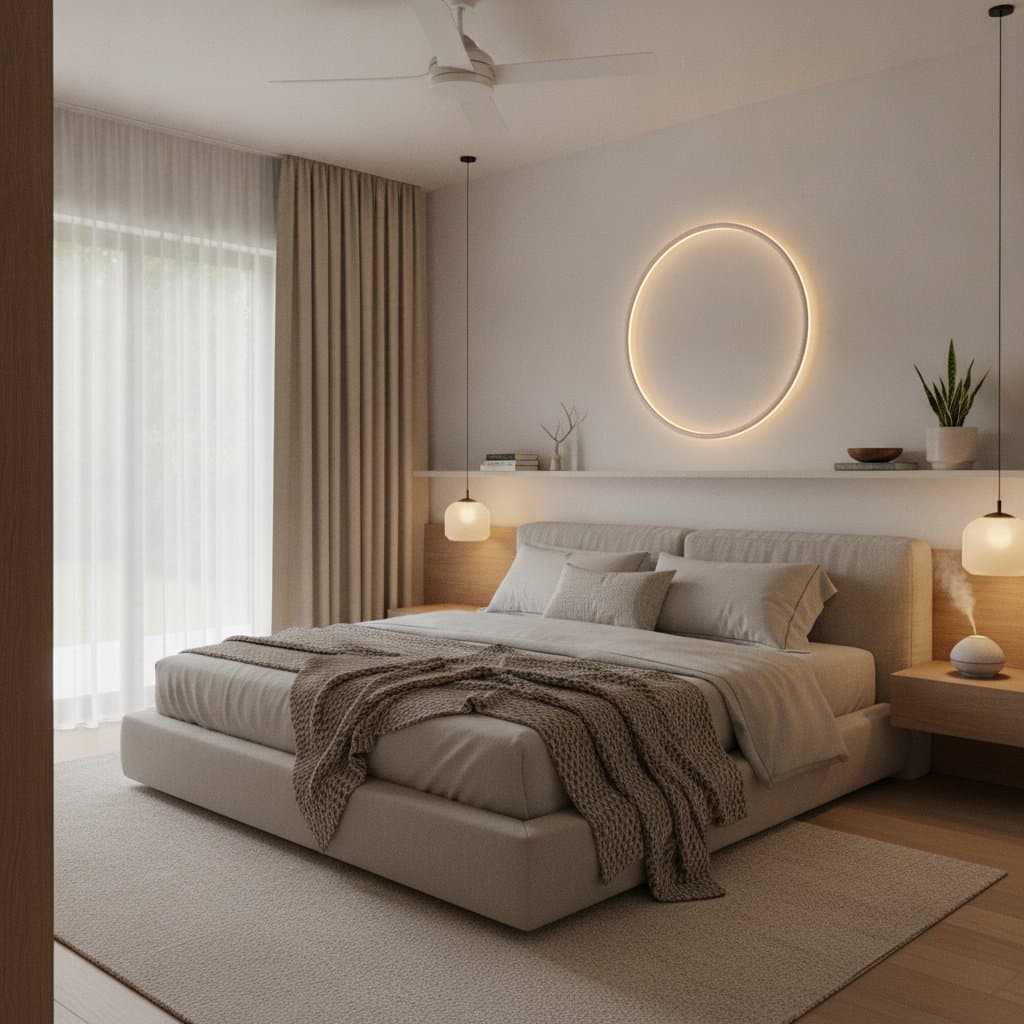
- Substitute ceiling fixtures with adjustable bedside lamps or sconces for targeted glow.
- Select bulbs in warm white or amber spectrums to mimic sunset hues.
- Install dimmer switches or app-controlled options to lower intensity progressively after sunset.
- Employ a low-level nightlight in soft red tones to navigate safely without cycle interruption.
Designer Harriet Cole recommends multifaceted approaches: "View lighting as the framework of emotional space. Harsh singular beams create tension, whereas diffused layers build intimacy and peace." Begin by auditing current setup; replace cool-toned bulbs first, then add a Himalayan salt lamp for ambient, ion-balancing diffusion that enhances mood without glare.
Incorporating Scents and Sounds for Subtle Cues
Aromas subtly guide dopamine decor by triggering relaxation responses, with certain profiles proven to lower cortisol. Similarly, auditory elements condition the body for repose.
For scents, prioritize lavender for its sedative properties, chamomile for digestive calm, or vanilla for comforting nostalgia. Position a ultrasonic diffuser near the bed, programmed to release lavender mist 30 minutes before sleep. In mornings, transition to uplifting citrus or geranium to energize without overwhelming.
Sounds reinforce this: A steady fan provides white noise to mask disruptions, while apps offer rain or wave simulations for immersive calm. Drawing from Parisian urban living, consistent cues like a 10-minute wind-down playlist signal transition time. Test volumes below 40 decibels to avoid stimulation, ensuring audio supports rather than distracts.
Adding Personal Elements for Emotional Resonance
Dopamine decor thrives on items that evoke joy and familiarity, transforming the bedroom into an extension of self. Curate sparingly to prevent clutter, selecting pieces that anchor positive associations.
Display a single framed photograph from a meaningful trip, or position a handcrafted vase holding dried wildflowers. A vintage book on the nightstand might recall quiet reading rituals. Edit ruthlessly: Limit to three to five items, rotating seasonally to maintain freshness. These touches not only personalize but also serve as mental anchors, easing entry into sleep by reinforcing security.
Synthesizing Elements for a Cohesive Sanctuary
- Select colors: Build a palette blending joy and repose, testing for daily and nightly harmony.
- Layer textures: Choose materials that beg interaction, varying softness and weight.
- Refine lighting: Prioritize warm, adjustable sources to align with biological clocks.
- Introduce scents and sounds: Use timed, low-key elements to cue relaxation.
- Incorporate personal accents: Feature curated mementos that evoke comfort without excess.
Sustaining Rest Through Intentional Design
Dopamine decor evolves as an ongoing practice, attuned to what invigorates upon waking and soothes at bedtime. Experiences across diverse locales and household dynamics affirm that incremental shifts yield profound results. A bedroom enriched with thoughtful colors, inviting textures, and soulful details transcends functionality, becoming a catalyst for sustained vitality and profound renewal.