Why Enzyme Cleaners Break Down Grime Naturally
Sunlight filters through a kitchen window and glints off freshly washed countertops. The surfaces smell like citrus and clean air rather than synthetic perfume. The mop bucket holds a liquid that looks and smells fresh. Enzyme cleaners now appear in homes everywhere. Their rise follows the natural ingredients that power them.
The Shift Toward Natural Cleaning
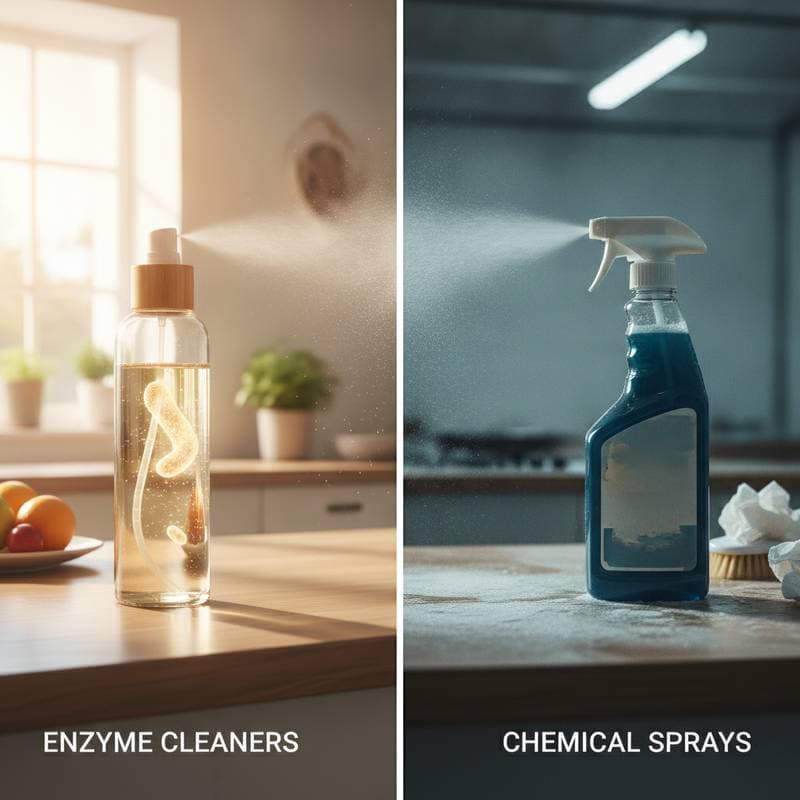
Cleaning products once promised deep disinfection through labels filled with warnings and complex ingredients. Many homeowners now question whether sparkling surfaces justify respiratory irritation or environmental costs. Enzyme cleaners provide an alternative. They rely on naturally occurring proteins that break down grime, grease, and odor at the molecular level. These products avoid masking smells or stripping surfaces with harsh chemicals.
Composition of Enzyme Cleaners
Enzyme cleaners contain proteins that accelerate natural decomposition. Specific enzymes address particular residues.
- Protease breaks down proteins in food spills, blood, and pet stains.
- Amylase targets starch residues from sauces or baked goods.
- Lipase dissolves fats and oils common in kitchen grime.
- Cellulase addresses plant fibers and helps lift dirt from fabrics and grout.
These enzymes activate only in the presence of organic matter. They therefore remain safe and efficient. Unlike bleach or ammonia, they produce no toxic fumes and leave no residue.
Reasons for Growing Popularity
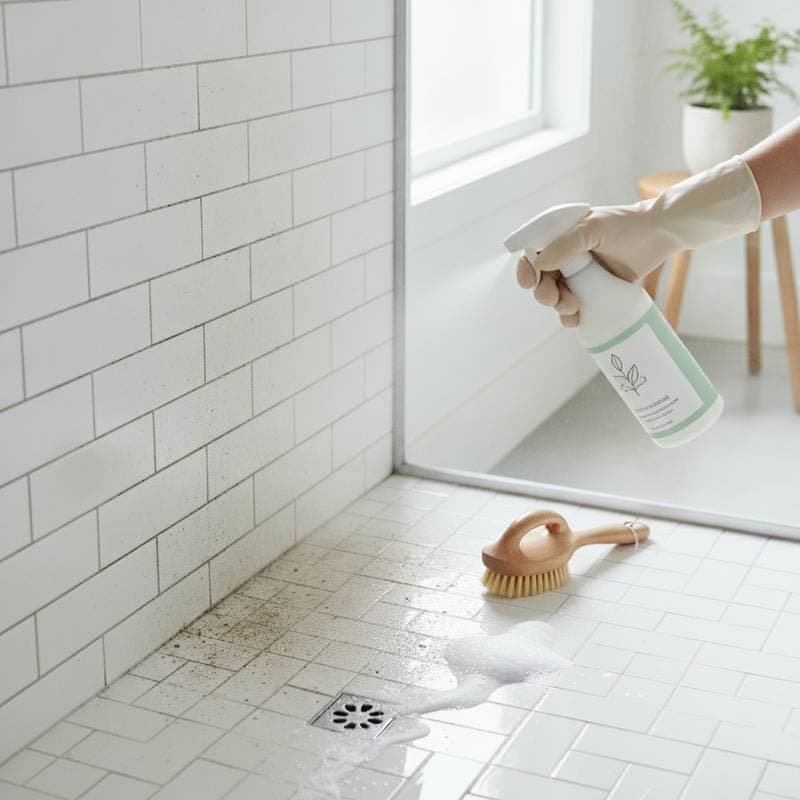
The increased attention to enzyme cleaners reflects a wider movement toward mindful living. Users share videos that show carpets restored after pet accidents or bathrooms refreshed without chemical sprays. The outcomes satisfy visually. The deeper value comes from simplicity and safety.
Enzyme cleaners break down naturally and reduce chemical runoff. Many brands offer refillable bottles or concentrated formulas that cut plastic use. Households with children or pets appreciate the absence of harsh fumes. The same product works on laundry, tile, grout, and upholstery. Odors disappear because the organic sources are eliminated rather than covered.
Social platforms spread these advantages through demonstrations of grout restoration or sneaker renewal. Visual evidence converts skeptics.
Preparation of a Homemade Version
A homemade enzyme cleaner can be prepared from fruit scraps. The method converts food waste into a functional solution.
Required items include citrus peels, brown sugar, water, and a large airtight container. Combine three parts water with one part brown sugar. Add peels until the container is nearly full. Seal and shake gently once each day for the first week. Allow fermentation for several weeks in a cool, dark place. Strain the liquid and transfer it to a spray bottle.
The resulting cleaner applies to counters, sinks, and floors.
Practical Application Advice
Professional cleaners incorporate enzyme formulas into their routines. The products perform best when allowed to dwell on surfaces. Several minutes of contact time lets the enzymes reach full strength before wiping begins. This step yields a deeper clean without corrosive agents.
Daily Integration of Enzyme Cleaners
A home cleaned without harsh chemicals offers clear surfaces and fresh air. Enzyme cleaners demonstrate that strong results and gentle action can occur together. They turn routine cleaning into an act of care for both the living space and the surrounding environment. Users who begin with one product often expand to others as performance becomes evident.