Steam Cleaning Eliminates Pathogens Using Only Water
Steam cleaning harnesses the power of heated water vapor to lift dirt, dissolve grease, and destroy bacteria on contact. This method leaves no chemical residue behind, which supports healthier indoor environments for families seeking to limit toxin exposure.
Homeowners gain several practical advantages when they adopt steam cleaning as a primary approach. The process reduces airborne pollutants that chemical products often introduce. It also protects sensitive surfaces from the buildup that surfactants and solvents can cause over time.
How Steam Cleaning Works
Water heated past its boiling point becomes vapor carrying substantial kinetic energy. Upon contact, this energy softens grime and kills microorganisms such as bacteria and dust mites. The mechanism depends entirely on temperature and moisture rather than any chemical reaction.
Surface Evaluation First
Not every material tolerates heat and moisture equally. Unsealed hardwood and certain delicate fabrics may suffer damage from prolonged exposure. A preliminary test on a small, hidden section confirms compatibility before full application.
Review the following areas before committing to steam cleaning:
- High-traffic zones that retain residue or odors
- Moisture-sensitive surfaces such as laminate flooring
- Existing products that steam can replace
- Ventilation options that support proper drying
This review prevents surface harm while confirming where steam delivers the greatest benefit.
Equipment Selection and Preparation
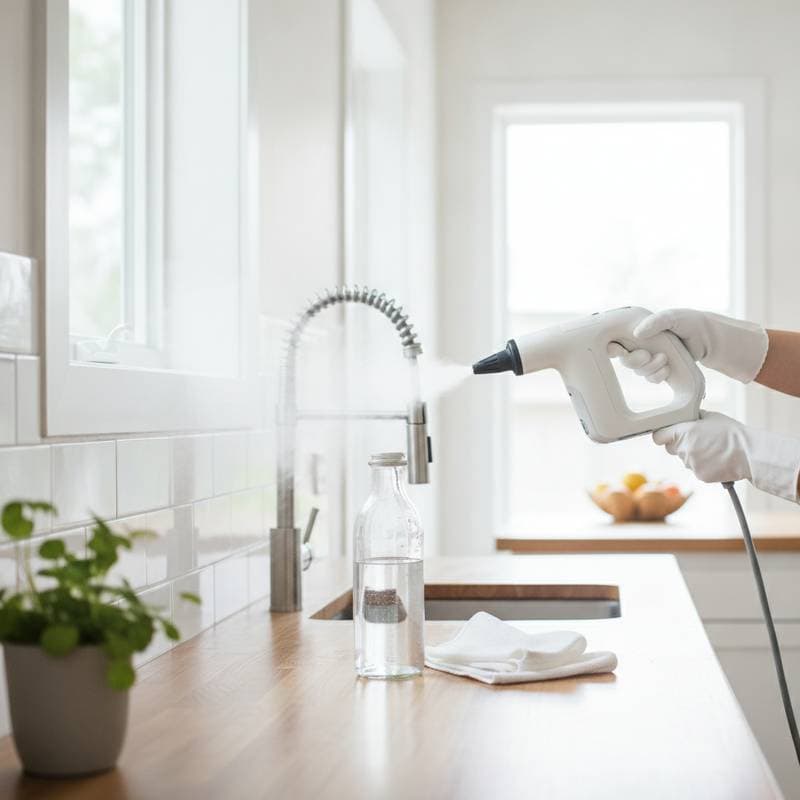
Effective results require the right machine and supplies. Canister models with adjustable pressure suit whole-home use, while handheld units handle spot cleaning efficiently. Distilled water prevents mineral deposits that clog nozzles.
Gather these items before starting:
- Steam cleaner with temperature and pressure controls
- Distilled water supply
- Clean microfiber cloths and mop pads
- Extension hoses and task-specific attachments
- Heat-resistant gloves
Allow the unit to reach full pressure before use. Keep children and pets away from the work area, and avoid directing steam at electrical fixtures.
Step-by-Step Application
Divide each room into manageable sections to maintain consistent coverage and drying. Begin by removing loose debris with a vacuum or broom.
Follow this sequence for reliable results:
- Fill the reservoir and attach the appropriate nozzle.
- Hold the wand several inches from the surface and move slowly to permit heat penetration.
- Wipe loosened soil immediately with a fresh microfiber cloth.
- Repeat passes on stubborn areas using a brush attachment if needed.
- Provide adequate airflow until all moisture evaporates.
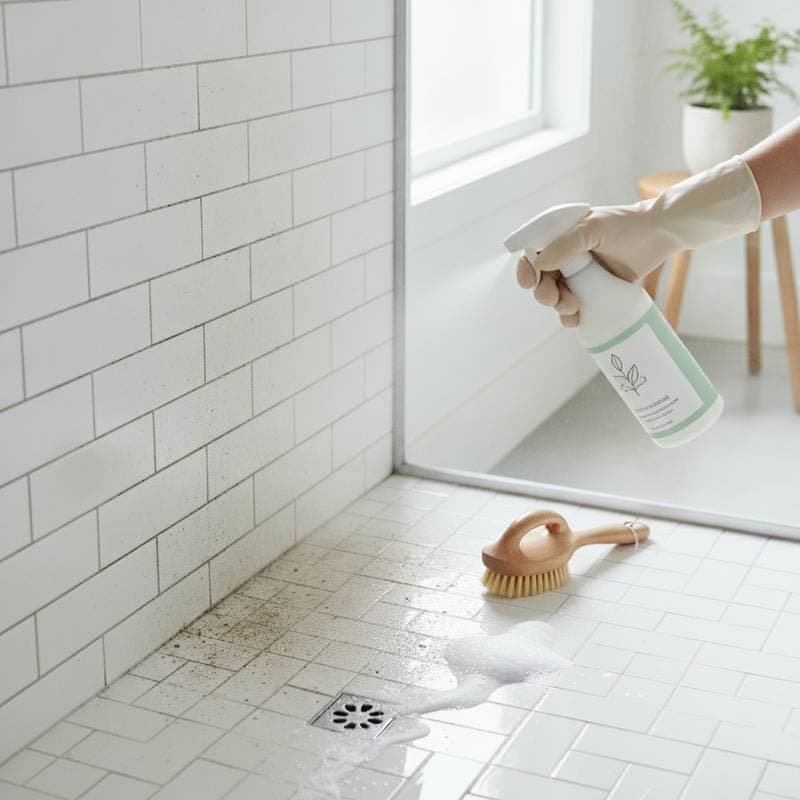
Tile and grout respond well to narrow nozzles that concentrate pressure. Upholstery requires fabric-safe attachments and a hidden-seam test first.
Verifying Results
Check finished surfaces for residue-free feel and neutral odor. Grout lines and fabric textures should appear brighter once cleaning concludes. Persistent film usually indicates rushed passes or incomplete pre-cleaning.
Regular equipment care preserves performance. Empty the tank after every session, clean attachments promptly, and store the unit in a dry location.
Seasonal Integration
Incorporate steam cleaning into a rotating schedule that prevents contaminant buildup without overworking delicate materials. Monthly sessions address tile, sealed floors, and appliances. Quarterly deep cleans handle upholstery and mattresses.
Pair steam with microfiber dusting and baking soda deodorizing to create a complete chemical-free system. Over successive cycles, indoor air quality improves and recurring purchases of specialty cleaners decline.
Practical Techniques for Consistent Performance
Begin with smaller tasks such as bathroom tile or countertops to refine technique. Maintain lower temperature settings on fabrics and reserve maximum heat for hard surfaces. Keep spare pads available so soiled cloths do not redeposit dirt.
Schedule sessions when windows can remain open or fans can operate. This approach ensures thorough drying and prevents mildew in humid conditions.
Steam cleaning rewards methodical pacing. Surfaces treated according to their specific material properties achieve hygienic outcomes that match or surpass those of chemical alternatives while supporting long-term household wellness.