The Power of Enzyme Cleaners for Pristine Home Surfaces
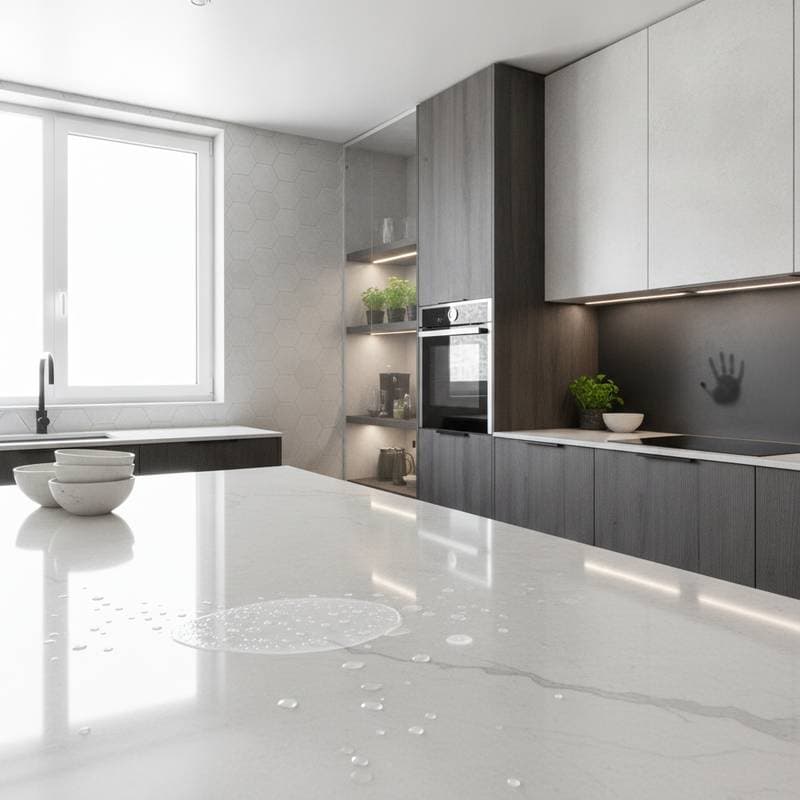
Visualize pristine kitchen counters bathed in soft afternoon light, free from lingering marks. Yet a persistent stain appears, resisting sprays and scrubs alike. Before selecting another chemical-laden product, consider enzyme cleaners, nature's subtle agents that eradicate grime at the molecular level without fumes or residues.
These cleaners operate like an unseen workforce, transforming messes into harmless elements. They provide a superior alternative to conventional methods, ensuring surfaces remain fresh and undamaged.
Understanding Enzyme Cleaners
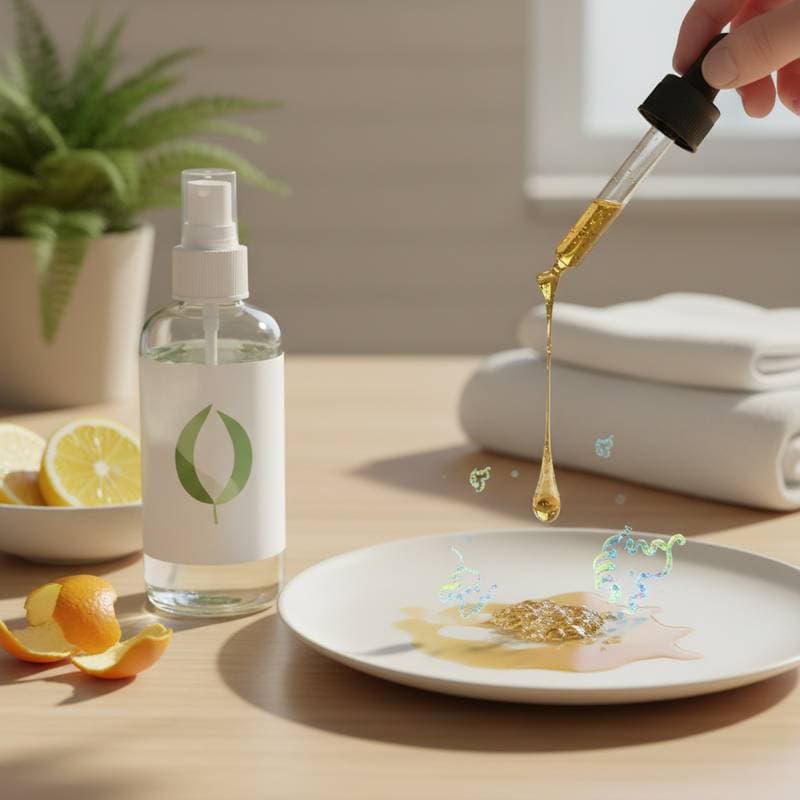
Enzymes function as specialized proteins that accelerate the decomposition of organic materials. They target and dismantle stains rather than merely concealing them, achieving complete elimination. This process mirrors natural biological cycles, where complex substances simplify into basic components.
Limitations of Conventional Cleaners
Commercial products often deliver temporary results through aggressive ingredients that irritate skin, compromise air quality, and erode finishes. They frequently overlay scents to hide odors without resolving underlying issues. Residues persist, leading to recurring stains or smells.
Enzyme cleaners eliminate sources directly by consuming organic matter. This approach proves ideal for high-traffic zones like kitchens, bathrooms, and pet spaces, where scents endure despite efforts. They align with natural processes, enhancing efficacy without opposition.
Scientific Principles of Enzyme Action
Stains arise from diverse sources, such as dinner splatters, pet tracks, or beverage mishaps. Enzymes identify and fragment target molecules into innocuous substances like carbon dioxide and water. This methodical breakdown persists post-application, yielding enduring cleanliness.
As proteins, enzymes thrive in optimal settings. Warm water activates their function, and sufficient contact time allows full reaction. This patient method surpasses rapid chemical fixes, providing deeper penetration for superior outcomes.
Creating a Homemade Enzyme Cleaner
Prepare your own enzyme cleaner with accessible items for a customized, cost-effective option. This fermentation process yields a versatile solution from kitchen waste, combining efficacy with sustainability.
Ingredients:
- Peels from citrus fruits such as oranges, lemons, or limes
- Brown sugar
- Water
- A large plastic bottle or glass jar with a loose lid
Preparation Steps:
- Mix one part brown sugar, three parts chopped peels, and ten parts water in the container.
- Stir thoroughly to dissolve the sugar and distribute ingredients.
- Secure the lid loosely to permit gas release during fermentation.
- Store in a warm location for three to four weeks, shaking periodically.
- Strain the fermented liquid once bubbling ceases; dilute as needed for use.
Apply this solution to counters, tiles, or floors. Citrus extracts provide natural aroma while enzymes address residues, creating an effective, pleasant cleaner.
Guidelines for Effective Enzyme Application
Enzyme cleaners demand a deliberate technique to maximize their potential. Focus on preparation and timing for optimal results.
- Determine the stain's organic nature; enzymes excel with biological messes, not minerals or rust.
- Saturate the area generously to ensure enzyme contact.
- Allow dwell time of five to fifteen minutes, extending for entrenched spots.
- Blot or rinse with a damp cloth to remove dissolved material.
- Reapply for persistent issues, particularly aged stains.
Test on inconspicuous spots for sensitive surfaces like stone or wood. Their mild composition suits fabrics, rugs, and pet items, avoiding damage from harsher options.
Environmental and Health Benefits
Opting for enzyme cleaners diminishes household chemical exposure. Standard products contribute to air pollution, water contamination, and ecosystem disruption through persistent compounds. Enzymes decompose fully, producing only benign remnants.
This choice fosters healthier interiors. Absence of artificial odors and irritants creates a neutral, breathable atmosphere, akin to fresh outdoor air.
Practical Applications in Daily Cleaning
Enzyme cleaners adapt to multiple scenarios, proving indispensable for routine maintenance.
- Kitchen areas: Dissolve grease on counters and sinks with direct application.
- Floors: Dilute for mopping to eliminate residues without residue buildup.
- Laundry: Pre-treat fabrics or add to washes for odor neutralization.
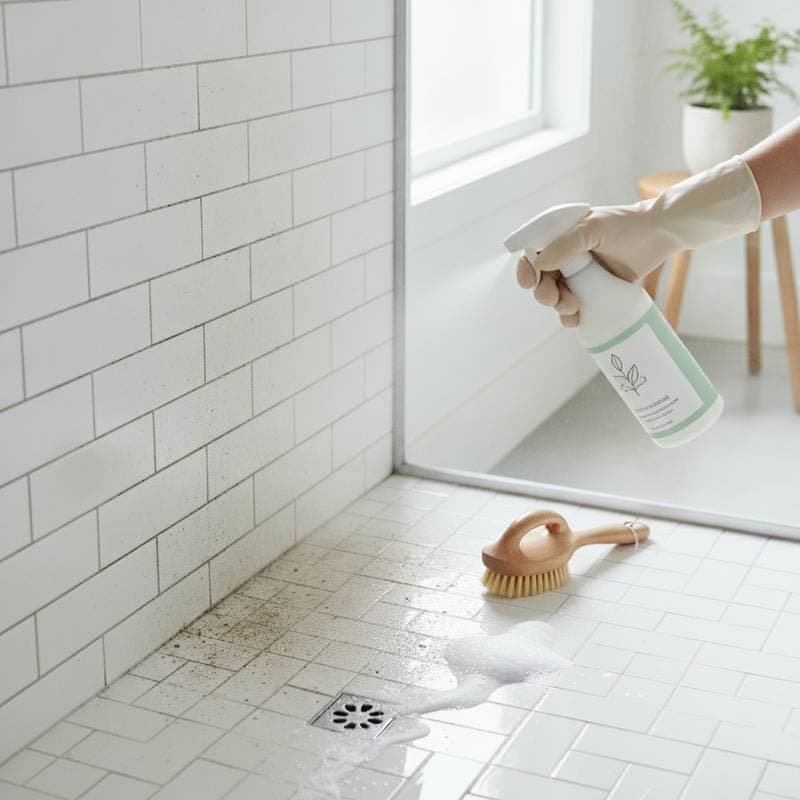
- Bathrooms: Target soap films and oils on fixtures.
- Pet zones: Neutralize scents in bedding, boxes, and rugs at the origin.
Safe around families and animals, they support toxin-free environments.
Expert Perspectives on Enzyme Efficacy
Professionals in cleaning and sustainability endorse enzymes for their precision and safety. A natural cleaning specialist notes, "Enzymes work smarter, not harder. They do the detailed work that harsh chemicals cannot replicate without damage."
This method aligns with preferences for health-conscious, planet-friendly products. Enzymes deliver performance while prioritizing well-being and ecology.
Resolving Common Enzyme Challenges
Adjust techniques if initial efforts fall short, refining conditions for better activation.
- Enhance warmth: Use tepid water to boost enzyme activity.
- Extend contact: Increase sitting time for complex stains.
- Prepare surfaces: Remove loose debris prior to application.
- Strengthen solution: Concentrate for intensive cleaning tasks.
These tweaks optimize results, rewarding methodical use over haste.
Additional Advantages of Enzyme Cleaning
Enzyme treatments yield smoother textures by clearing fine particles overlooked by others. They inhibit recurrence, reducing long-term effort. Ongoing application maintains clear drains and vibrant textiles through residual action.
Users appreciate the authentic freshness, free from artificial masking. Spaces feel revitalized, with tactile and olfactory improvements enhancing daily comfort.
Incorporating Enzymes into Your Routine
Introduce enzyme cleaners gradually, targeting problematic areas first, such as persistent counter marks or fabric spots. Experiment with commercial or homemade variants to observe differences from traditional methods. Effectiveness becomes evident quickly.
Expand usage as confidence grows, maintaining dedicated supplies for varied needs. Surfaces not only appear cleaner but retain that state longer, simplifying maintenance. This shift turns cleaning into a harmonious, nature-supported practice.