Hidden Compartments: The 2025 Trend for Decluttered Spaces
Everyone experiences that instant when entering the living room and wondering about the origin of accumulated items. Daily necessities, cherished mementos, and miscellaneous objects accumulate unnoticed. The design industry addresses this challenge with innovative and elegant solutions: hidden compartments. This approach crafts environments that promote tranquility, purpose, and order while preserving essential belongings.
Why Hidden Storage Captivates Designers and Homeowners
Minimalism appeals in concept, yet everyday realities involve families, animals, pursuits, and persistent paperwork. Designers shift focus from elimination to thoughtful integration of possessions. Hidden storage achieves this balance by keeping necessities accessible beneath a streamlined appearance.
The Psychological Benefits of Concealed Organization
Order in surroundings yields profound mental clarity. Concealed storage leverages the link between physical spaces and emotional states. Organized environments lower anxiety levels, sharpen concentration, and support better rest. This form of design prioritizes holistic wellness over mere ornamentation.
Concealed elements add an element of intrigue. The knowledge that a minimalist bench or panel reveals hidden utility brings subtle joy. Homes gain an interactive quality, avoiding the austerity often associated with strict minimalism. This playful aspect sustains engagement with the space.
Integrating Hidden Compartments Across Home Areas
Apply this strategy wherever disorder accumulates, targeting frequently used items. Select options aligned with personal habits and room dimensions for optimal results.
Living Room Applications:
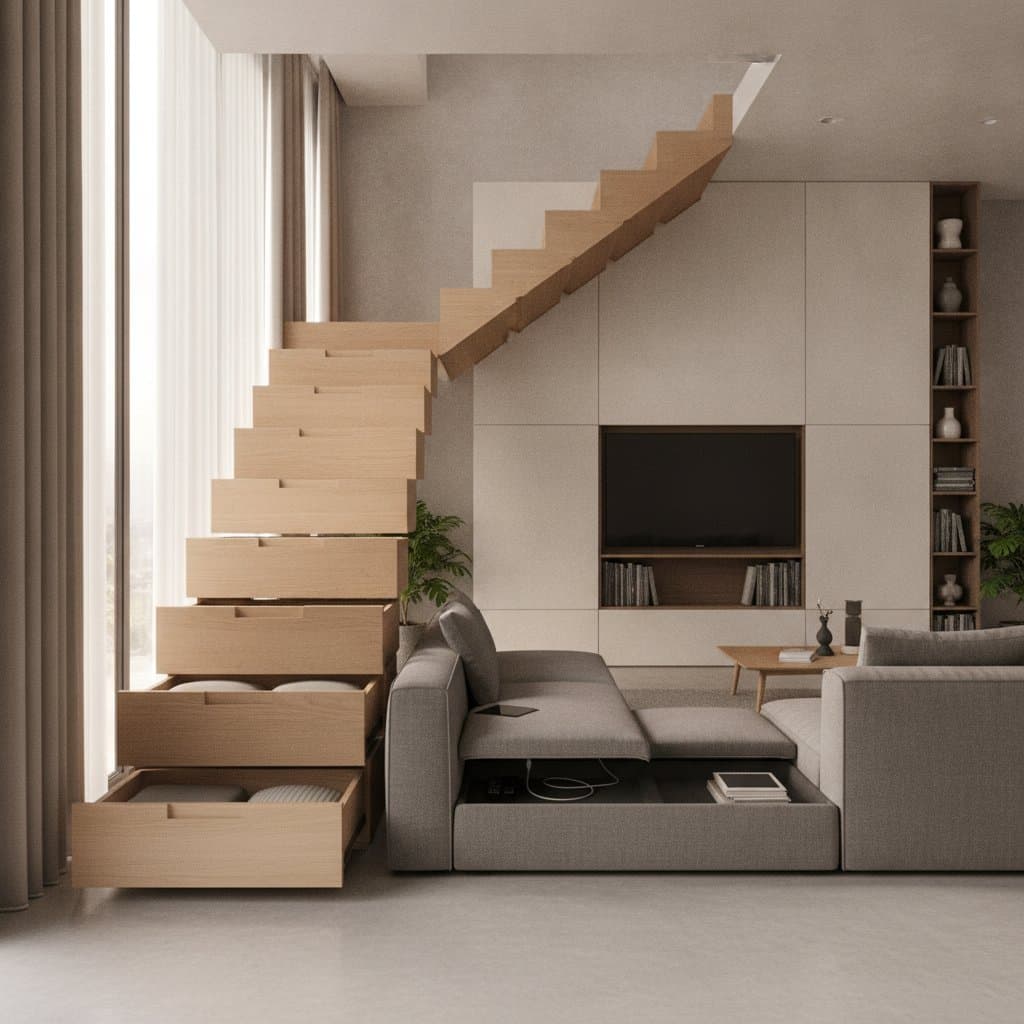
Lift-top coffee tables store remote controls, cables, and documents conveniently. Modular seating units feature under-seat drawers for throws and cushions. Wall-integrated cabinets mimic seamless panels while accommodating media equipment or games.
Bedroom Solutions:
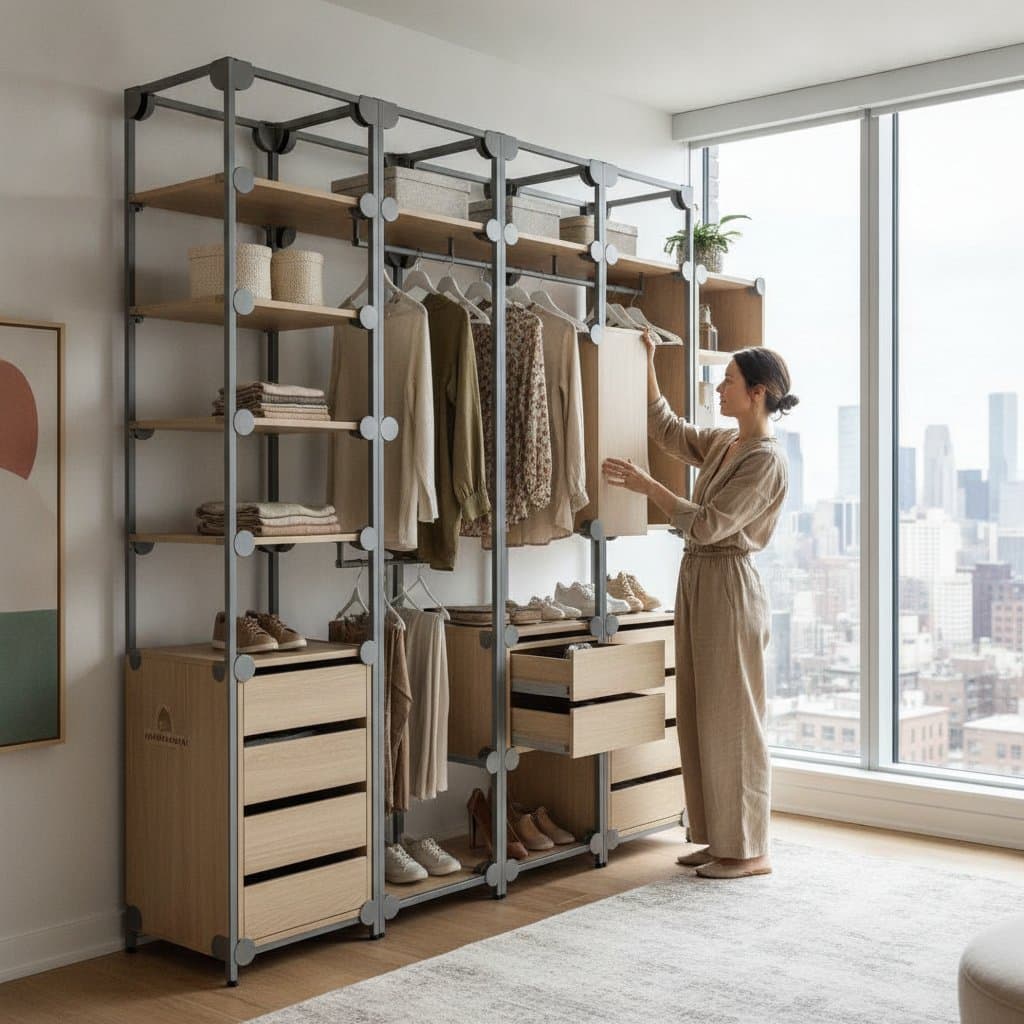
Elevate under-bed storage with headboards containing recessed niches for accessories or literature. Nightstands integrate discreet power outlets to manage wiring. These choices minimize visible furniture while supporting bedtime routines.
Kitchen Innovations:
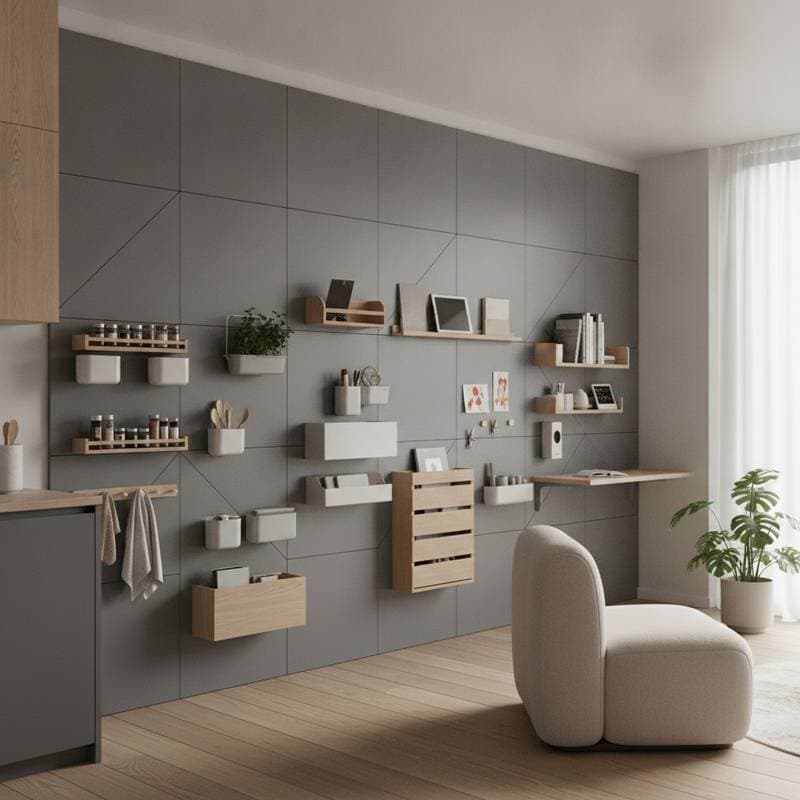
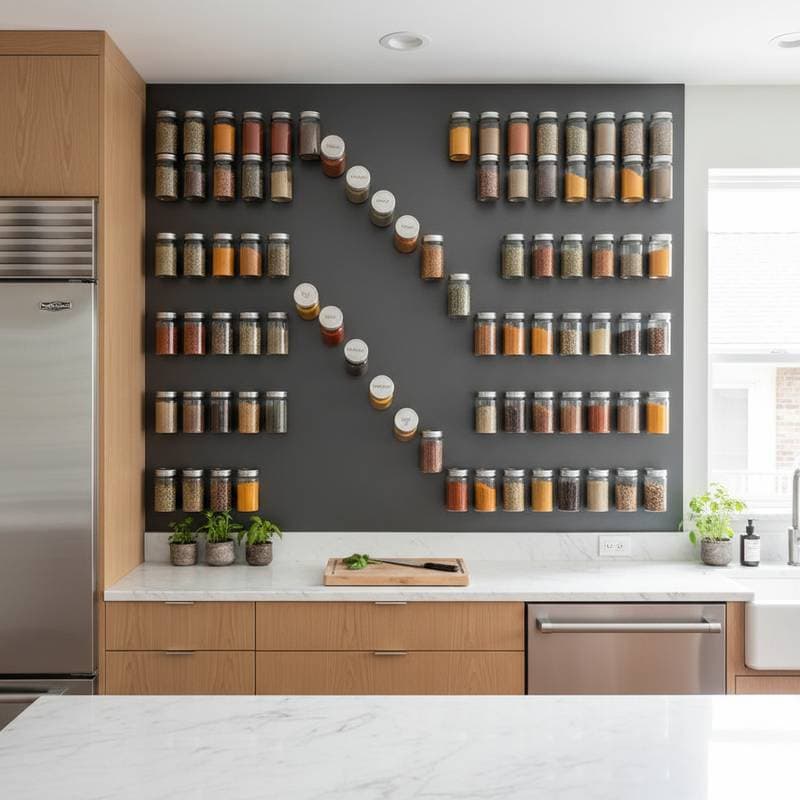
Base-level toe-kick drawers organize flatware and pots efficiently. Slim pull-out organizers fit into tight spaces for herbs and utensils. Interior cabinet features, such as fold-down racks, keep tools hidden yet reachable.
Bathroom Adaptations:
Mirrored surfaces double as doors to internal shelves for toiletries. Vanity units with disguised compartments maintain a spacious feel in limited areas. Such designs promote hygiene without visual overload.
Entryway Essentials:
Seating with hinged lids conceals footwear and accessories. Console tables include veiled drawers for correspondence and leashes. Organized thresholds establish an immediate sense of control upon arrival.
Key Design Elements for Effective Hidden Storage
Seamless integration prevents hidden features from appearing contrived. Align materials and hues with existing decor for cohesive harmony. Proportions ensure functionality complements the overall aesthetic.
Select hardware thoughtfully to enhance subtlety. Mechanism-based openings avoid protruding fixtures, preserving clean lines. Recessed or flush alternatives provide gentle access without disrupting flow.
Incorporate illumination where compartments see regular use. Soft LED systems activate on approach, improving visibility and ease. These enhancements elevate practicality without compromising design integrity.
Harmonizing Utility with Individual Expression
Concealed storage streamlines surroundings, yet it should amplify rather than suppress character. Display items of significance, such as artwork or heirlooms, on open surfaces. Reserve hidden areas for utilitarian objects that serve without inspiring.
This equilibrium distinguishes a vibrant home from a display model. Intentional organization invites comfort and authenticity. Hidden compartments empower curation of spaces that reflect true preferences.
Budget-Friendly Ways to Implement Hidden Storage
Custom installations offer sophistication, but accessible alternatives abound. Seek ready-made pieces like lidded poufs or tables with integrated compartments. Modify existing items through simple additions, such as false panels in cabinets.
During renovations, consult professionals to embed storage from the outset. Retrofitting proves more challenging, yet incremental changes yield results. Begin with one area to assess impact before expanding.
Evolving Hidden Storage with Daily Life
After installation, engage with new systems deliberately. Avoid immediate overfilling; instead, monitor usage patterns. Identify high-touch items and refine placements to match movements.
Observe persistent surface accumulations and redirect them appropriately. Hidden storage adapts fluidly to changing needs. This ongoing refinement ensures sustained organization.
In essence, hidden compartments transcend tidiness. They shape environments that align with routines, mindset, and repose. With designated homes for possessions and serene surfaces, daily life gains stability. These elements craft adaptable, personal sanctuaries that enhance well-being.