Bedroom Colors That Boost Dopamine and Mood in 2026
Many individuals experience a subtle thrill upon entering a room adorned with vibrant colors. The emotional impact of a space often stems from its surrounding hues rather than its furnishings. Having resided in diverse settings, from compact New York City apartments to historic farmhouses in the Cotswolds, the author recognizes that color shapes not only aesthetics but also emotional responses. In bedrooms, this influence proves particularly vital.
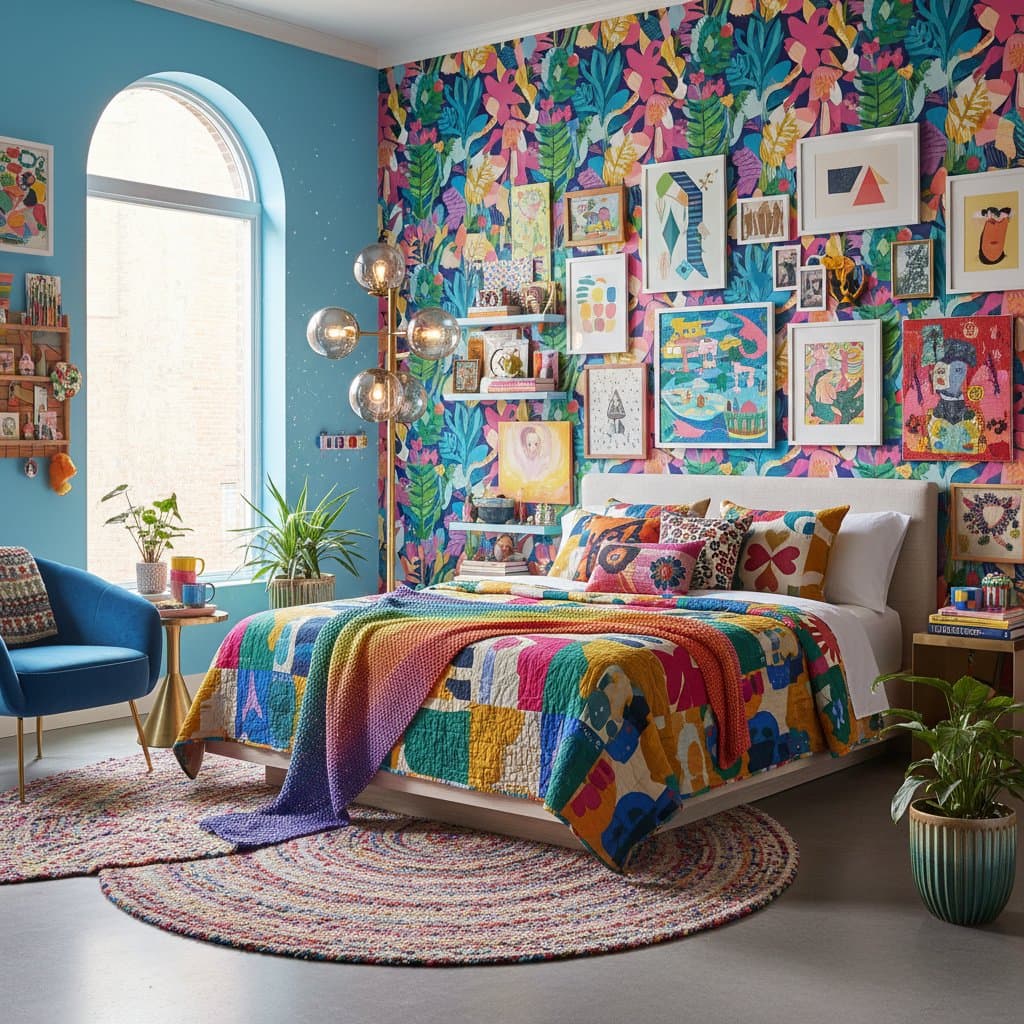
The concept of dopamine decor has gained prominence in recent years. This approach involves crafting environments that elevate mood through strategic use of color and texture, fostering joy and restoration. For bedrooms, such palettes promote happier awakenings, deeper rest, and increased morning motivation.
Key Takeaways
- Dopamine decor leverages color psychology to foster natural increases in happiness and energy.
- Effective bedroom colors blend warmth, illumination, and personal significance.
- Pair bold shades with neutral anchors to achieve uplift without sacrificing tranquility.
- Incorporate texture, layering, and strategic lighting to amplify color's emotional impact.
- Global trends highlight optimism, comfort, and personal expression in color choices.
The Science Behind Dopamine Decor
Dopamine decor extends beyond fleeting fashion; it draws from principles of environmental psychology. Our surroundings can stimulate the release of feel-good neurotransmitters. Psychologist Dr. Emily Carter, an expert in environmental behavior, notes that color engages memory and emotion. She explains, "Color interacts with memory and emotion. When people choose colors tied to positive associations, it can help the brain produce small but meaningful boosts in dopamine."
Personal resonance remains essential. Not every individual benefits from identical bright tones. Instead, select hues that evoke personal energy. One person might opt for vivid fuchsia linked to tropical journeys, while another prefers gentle sage evoking serene forest paths.
Achieving Balance Between Bold and Calm
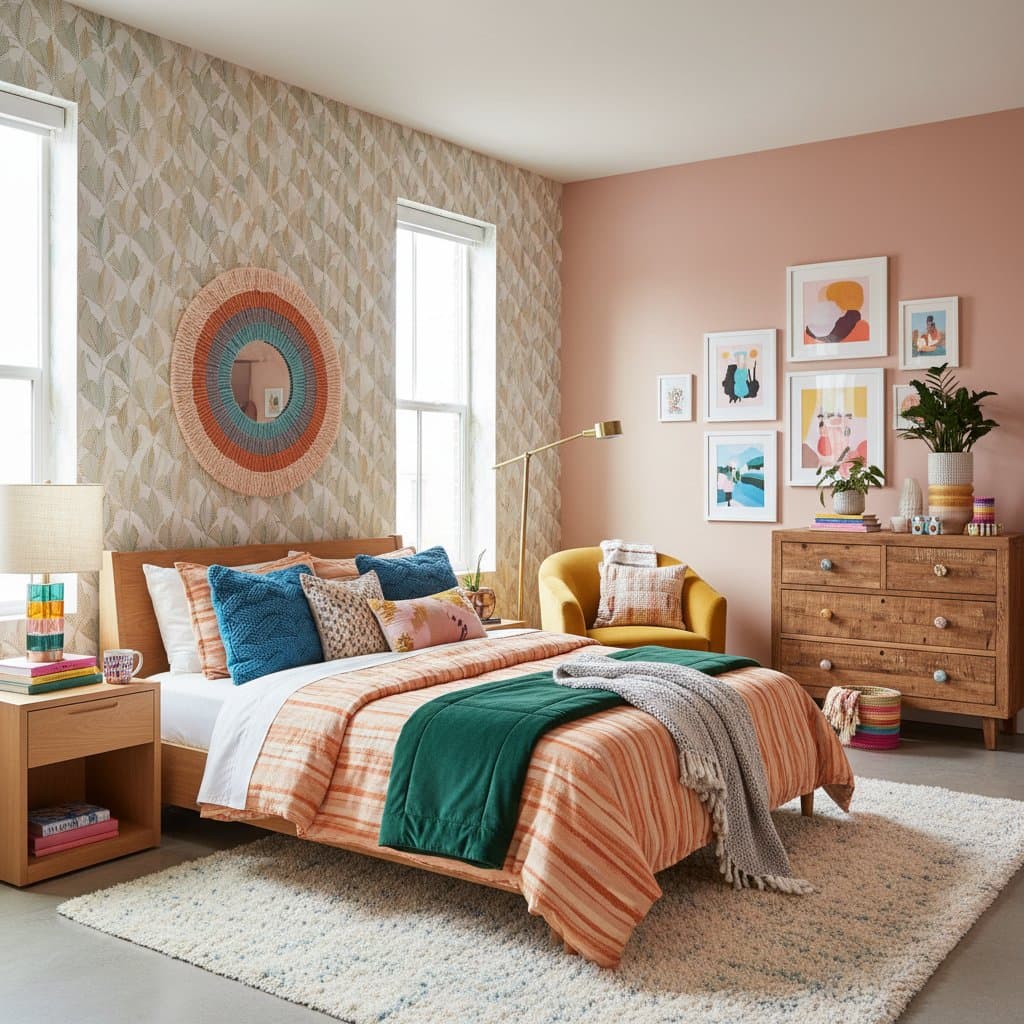
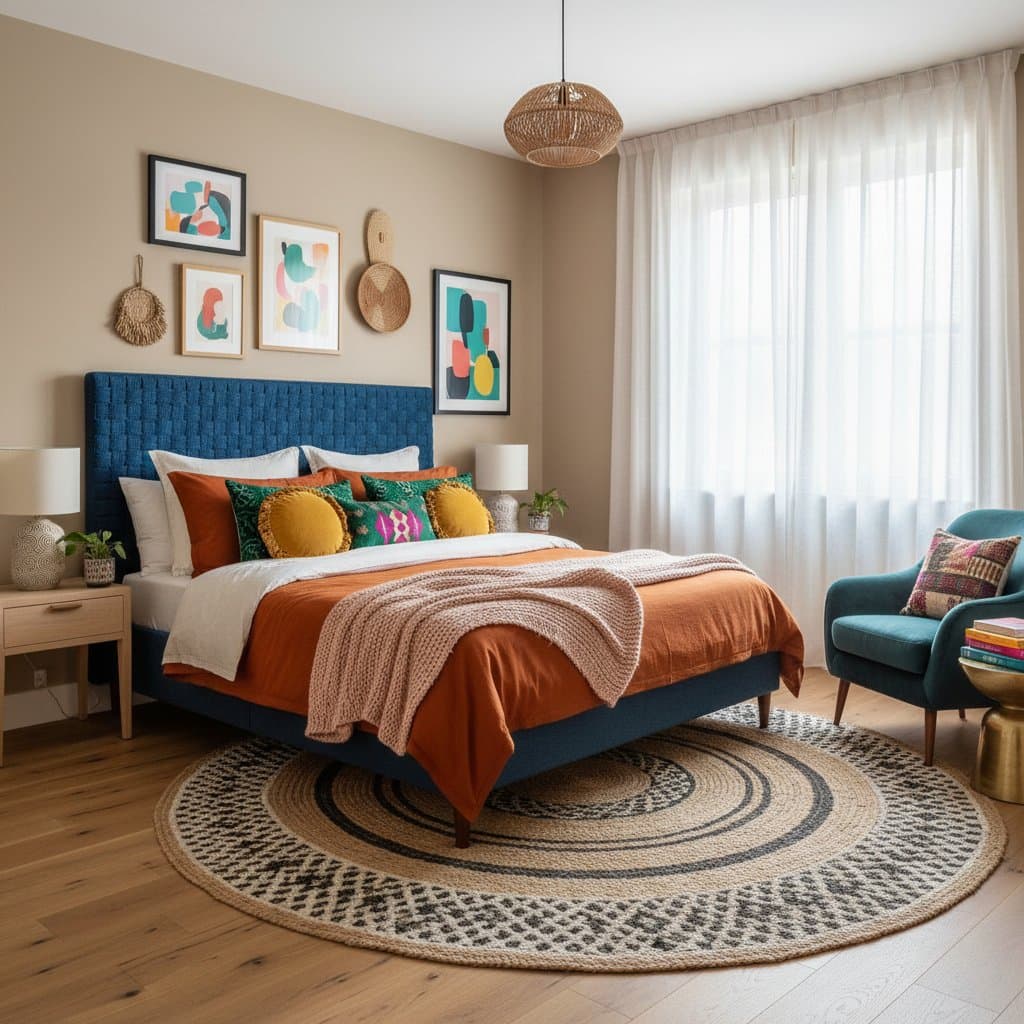
Dopamine decor embraces vibrant elements, yet bedrooms demand restful qualities. Success lies in harmonizing stimulating colors with subdued neutrals. Interior stylist Priya Mehta recommends, "Every vibrant shade needs an anchor. Pair bright colors with grounding elements like natural wood, cream, or taupe."
Lighting further modulates perception. Warm bulbs soften cool tones for added coziness, whereas daylight options accentuate vibrancy and crispness. In one London bedroom renovation, pale peach accents complemented warm white surroundings. This combination soothes during evenings and invigorates under morning light.
To apply this balance, start with a dominant neutral base. Introduce one or two accent colors on walls, textiles, or artwork. Test samples in natural and artificial light to ensure versatility throughout the day.
Cultural and Global Influences on Color Choices
Residency in various nations reveals how culture informs color preferences. French rural homes favor muted pastels drawn from landscapes. New York residences often feature intense jewel tones symbolizing self-expression. London designs blend traditional shades with modern highlights.
These influences shape worldwide bedroom aesthetics. Uniform styles give way to personalized narratives rooted in heritage and experiences. The author terms this evolution "emotional authenticity." Select colors mirroring life moments, such as deep teal from a Moroccan doorway or warm beige from Tuscan architecture.
Such choices imbue spaces with narrative depth. They transform bedrooms into reflections of identity, enhancing dopamine through meaningful connections. Explore global inspirations via travel photos or cultural artifacts to curate authentic palettes.
Expert Predictions for Emerging Trends
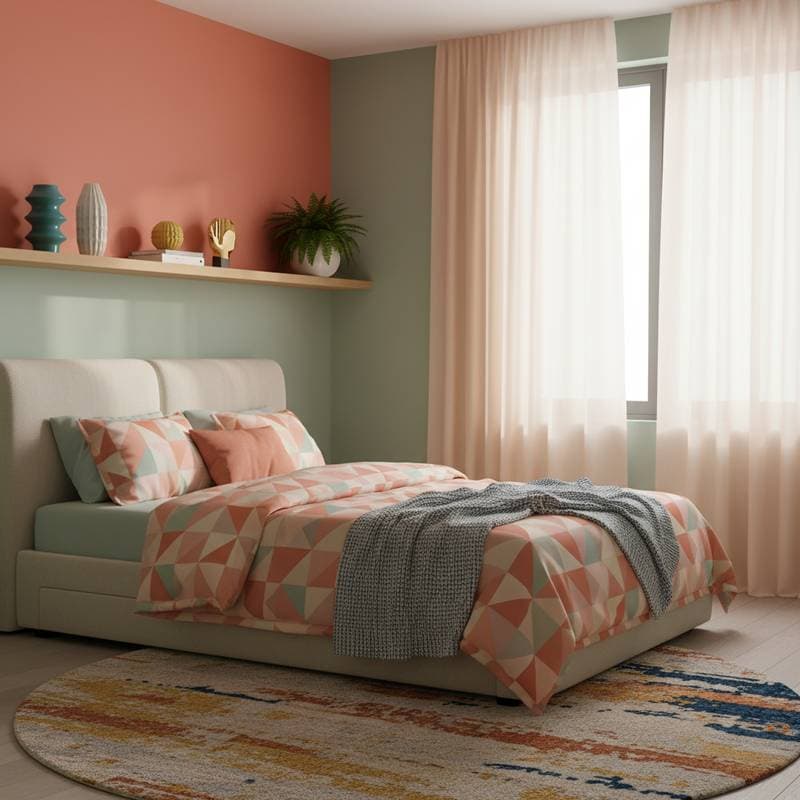
Color consultant Marissa Liu forecasts a focus on emotional clarity in upcoming bedroom designs. She states, "People want colors that feel nurturing but optimistic." Anticipate rises in buttery yellows, soft pinks, and subdued greens, which convey warmth and reassurance.
This direction aligns with observations across Europe. Contemporary apartments and rural dwellings alike employ color to convey hope and connection. Priority shifts from flawless matching to profound emotional alignment.
Designers suggest experimenting with hybrid palettes. Combine a nurturing base, like muted green walls, with optimistic accents, such as pale yellow bedding. This method ensures adaptability to evolving moods and lifestyles.
Integrating and Evolving Your Palette
After selecting a dopamine-enhancing palette, engage actively with the space. Monitor daily energy shifts and identify areas that promote calm or joy. Use these observations to refine elements incrementally.
Color preferences evolve alongside personal growth. Initial choices might emphasize warmth for stability, transitioning later to greens for renewal. Embrace this fluidity as an opportunity to refresh the bedroom periodically.
To maintain resonance, reassess seasonally. Swap textiles or add subtle accents to align with current emotions. This ongoing process sustains the mood-boosting benefits of dopamine decor, creating a living sanctuary that supports well-being.