Anti-Clutter Zones: The Smarter Decluttering Method
Clutter accumulates in spaces that lack systems aligned with daily routines. Anti-clutter zones address this issue by redesigning areas to intercept items before they create disorder. These zones emphasize prevention through thoughtful placement and simple containment rather than repeated cleanup efforts.
Defining an Anti-Clutter Zone
An anti-clutter zone functions as a designated area that channels items into appropriate spots based on actual household patterns. It relies on behavioral design principles to make organization the default action. For instance, a kitchen counter prone to collecting mail and devices benefits from a nearby tray system that redirects those objects immediately.
Limitations of Traditional Decluttering Approaches
Standard decluttering involves large-scale removal of items followed by a commitment to maintain order. This method often fails because it leaves underlying traffic patterns unchanged. Anti-clutter zones succeed by altering the environment itself so that desired habits require minimal effort.
Behavioral Principles at Work
Locating Problem Areas
Observe household movement for several days to identify collection points. Typical locations include entryways, kitchen surfaces, coffee tables, bedroom dressers, and bathroom counters. Document these spots before introducing any new systems.
Steps to Build an Effective Zone
- Specify the exact items the zone will manage to avoid overload.
- Use open trays or baskets that keep contents visible yet bounded.
- Select materials such as ceramic or woven fibers that complement surrounding decor.
- Ensure the entire reset process takes less than two minutes.
- Position the zone along natural movement paths rather than in isolated corners.
Practical Installations
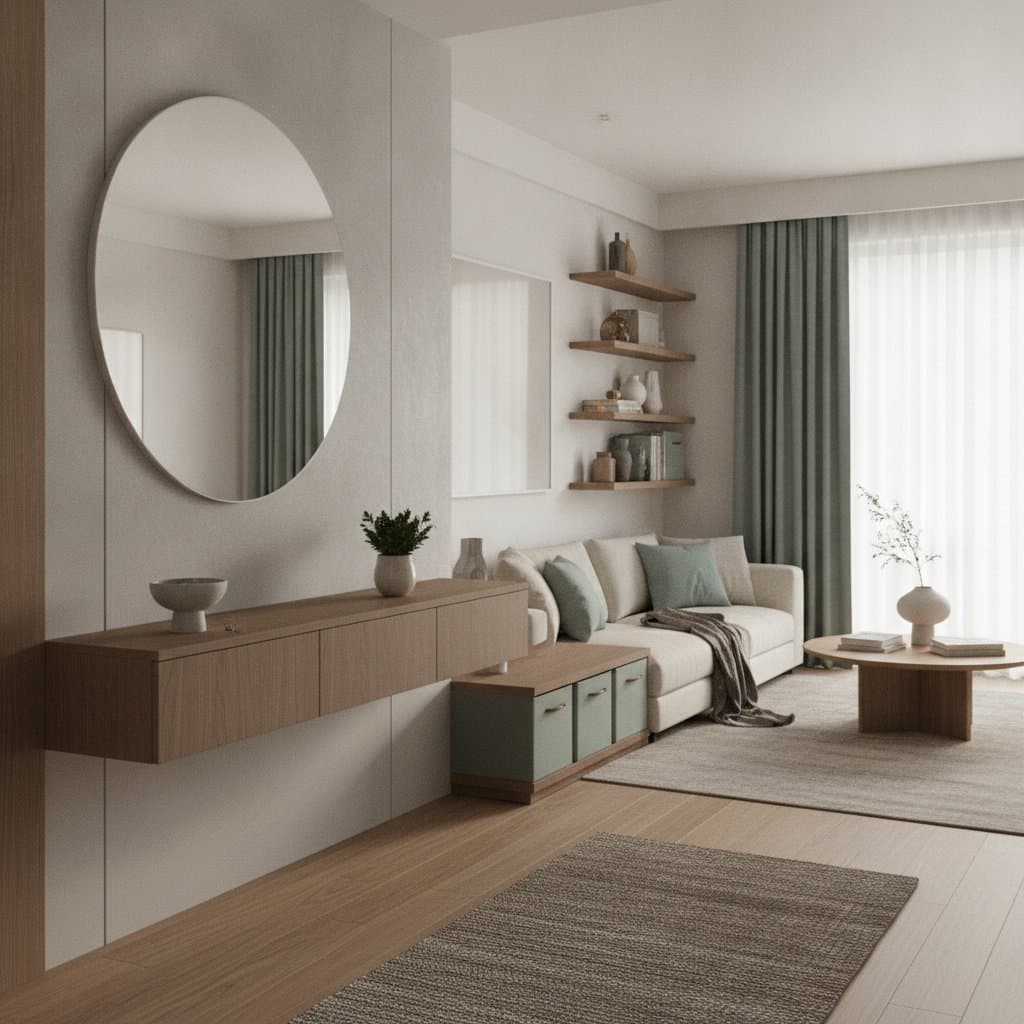
A wall-mounted shelf with an integrated drawer and under-bench basket resolved shoe and mail accumulation at one entryway. In another case, a narrow file box attached inside a pantry door sorted school papers into action, archive, and recycle categories. Both solutions matched existing routines without requiring major renovation.
Visual and Functional Integration
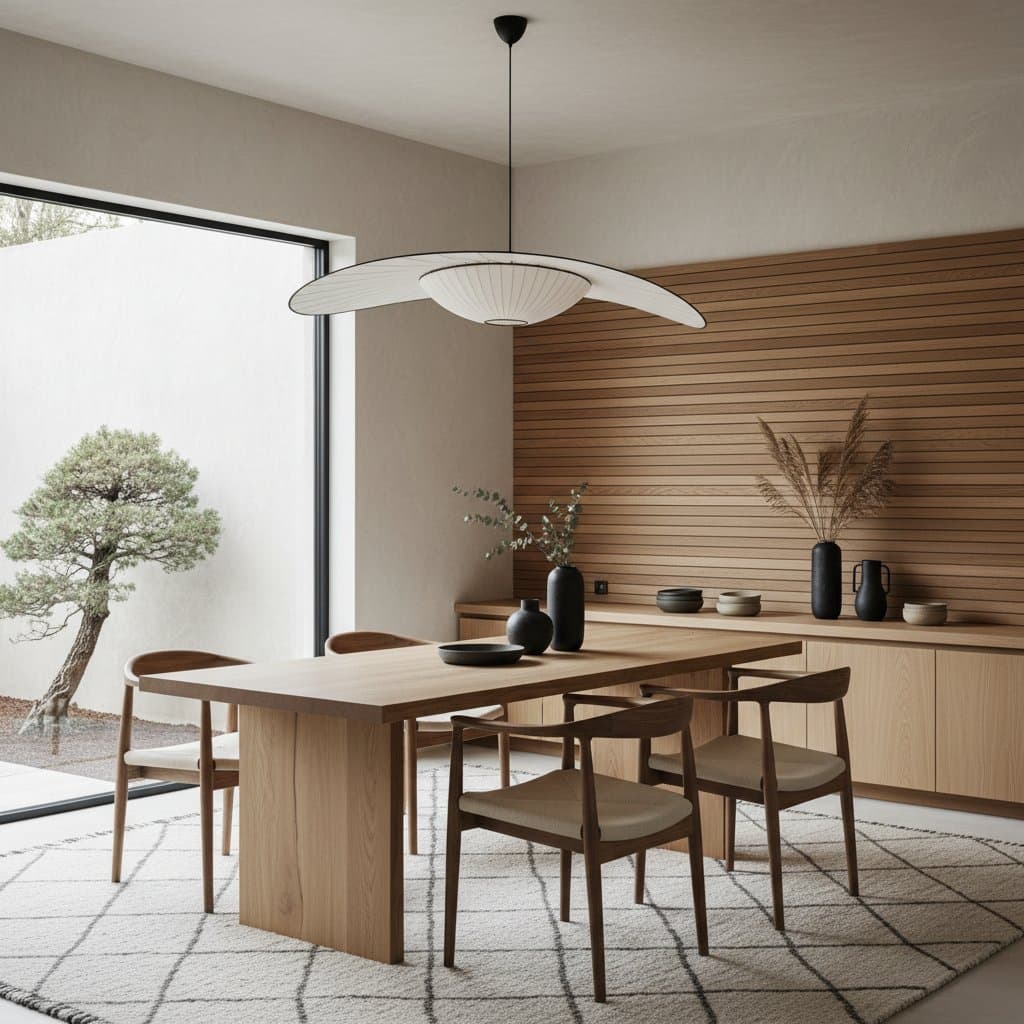
Aesthetic consistency encourages ongoing use. Coordinate colors and textures with the broader interior scheme, such as oak trays in minimalist settings or brass accents in warmer spaces. Add targeted lighting to signal purpose and reinforce the zone during daily transitions.
Adaptations for Limited Square Footage
Compact homes require vertical and multipurpose solutions. Floating shelves with underside hooks, storage ottomans, and wall-mounted kitchen organizers provide structure without consuming floor area. Focus remains on containing essentials rather than concealment.
Ongoing Adjustment Process
Review each zone quarterly as schedules evolve. Replace or relocate components when routines shift, such as the addition of remote work or changes in family size. This adaptability maintains long-term effectiveness.
Sustained Household Benefits
Well-designed zones reduce daily decision fatigue and accelerate tidying tasks. The result is a home that supports its occupants through aligned systems instead of constant correction. Begin with one high-traffic area and expand methodically to experience cumulative improvements in order and calm.