Key Advantages of Manual Cleaning Tools
- Manual tools surpass electric counterparts in durability, precision, and overall value over time.
- They operate without electricity, which enhances sustainability and lowers operational expenses.
- Appropriate techniques and upkeep enable manual tools to produce results comparable to professional services.
- Understanding when to use manual tools instead of powered ones optimizes time, reduces expenses, and avoids irritation.
- Manual tools simplify safety and quality oversight due to fewer mechanical components and risks.
The Enduring Appeal of Manual Cleaning Tools
Homeowners often assume electric cleaning tools ensure superior efficiency. Power scrubbers and vacuums serve specific purposes, yet manual tools provide the most dependable method for thorough, controlled cleaning. A sturdy brush, mop, or scraper wielded with skill frequently exceeds the performance of electric devices that prioritize speed over accuracy and endurance.
Project Essentials
Working Time: Depends on the task; usually ranges from 15 to 60 minutes.
Total Time: Accounts for preparation and finishing; typically 30 to 90 minutes.
Skill Level: Suitable for beginners to intermediate users.
Estimated Cost: Involves a moderate initial purchase, followed by negligible ongoing expenses.
Manual tools demand far less upkeep and power than electric alternatives. They endure longer, incur lower running costs, and support repairs over full replacements. Equipped with premium brushes, cloths, and scrapers, individuals can address virtually all domestic cleaning needs independently of electrical sources.
Situations Where Manual Tools Excel
Control represents the primary strength of manual tools. Electric scrubbers handle broad surfaces rapidly, but they lack the sensitivity to adapt to fragile areas requiring gentler handling. Manual approaches permit instantaneous modifications to force, angle, and vigor, safeguarding finishes, textiles, and organic substances from harm.
Consider hardwood floor maintenance: an electric buffer risks stripping excessive protective coating through improper use. In contrast, a hand mop paired with a properly squeezed cloth allows real-time assessment of dampness and pressure. This approach extends to window washing, grout scrubbing, and metal polishing. Sensing dirt resistance firsthand guides the exact level of force required.
Recommended Materials and Tools
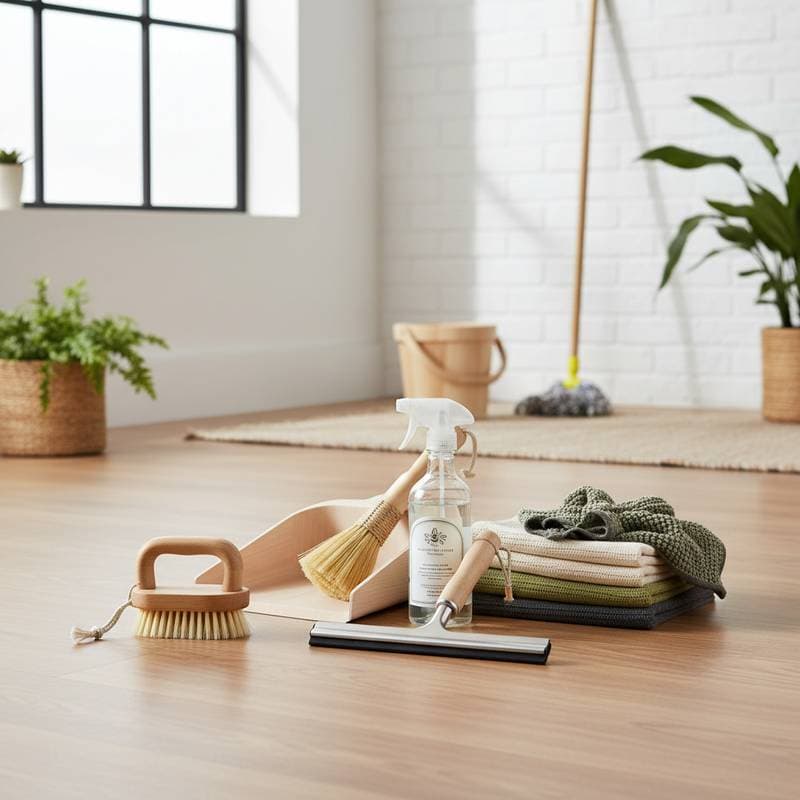
Core Manual Cleaning Tools:
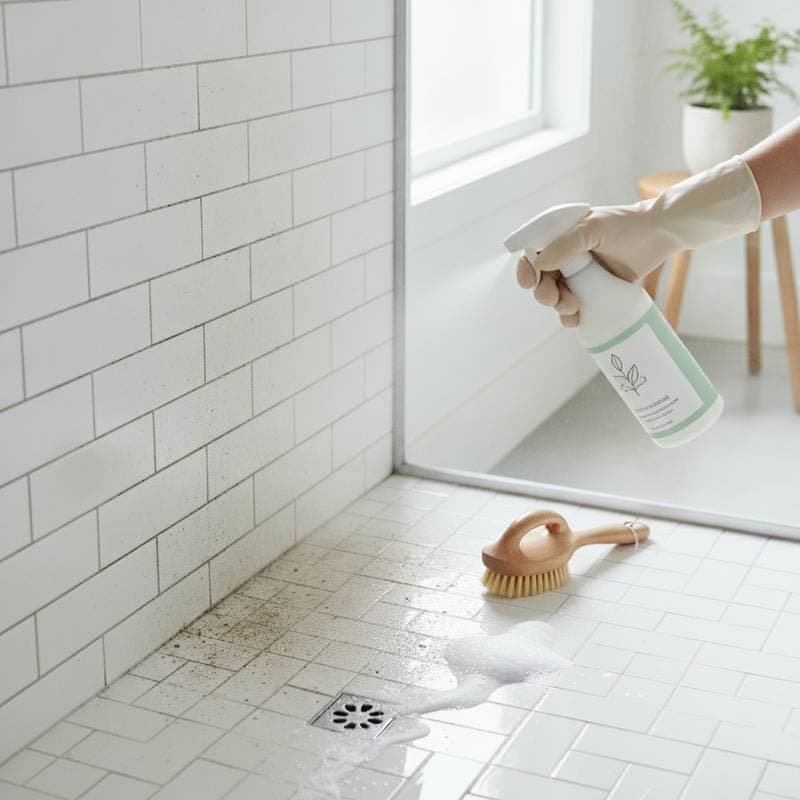
- Stiff-bristled scrub brushes for floors and grout lines.
- Soft-bristled brushes for furniture and upholstery care.
- Microfiber cloths for dust removal and surface shining.
- Cotton rags for solution application and residue wiping.
- Natural sponges suited to tiles, glass, and kitchen counters.
- Basic mops featuring replaceable heads.
- Plastic or wooden scrapers to eliminate paint or stubborn buildup.
Supplementary Items:
- Reusable spray bottles to hold custom cleaning mixtures.
- Buckets equipped with wringers for optimal water handling.
- Handheld squeegees ideal for mirrors and windowpanes.
- Wool dusters designed for sensitive surfaces.
Prioritize quality over volume in selections. A brush with natural bristles outlives multiple low-grade synthetic versions. The pattern repeats with mops and cloths: a single wise investment yields prolonged savings.
Step-by-Step Guide to Effective Manual Cleaning
-
Prepare the Area
Remove obstacles from surfaces and floors. Shift furniture to reach concealed spots. Ventilate the space by opening windows, particularly when employing cleaning agents.
-
Choose Appropriate Tools
Align brushes or cloths with the material at hand. Select soft fibers for sensitive items and firm bristles for grout or tiles.
-
Prepare Cleaning Solutions Correctly
Manual methods afford precise regulation of mixture potency. Begin with gentle combinations, such as water mixed with white vinegar. Strengthen the formula only for persistent stains.
-
Apply Steady, Deliberate Strokes
Maintain uniform pressure throughout. Circular patterns effectively dislodge grime without causing abrasions. On upright surfaces, proceed from top to bottom to eliminate drips and streaks.
-
Rinse and Reapply When Necessary
Manual processes frequently involve multiple rounds for tough residues. Refresh cloths and brushes often to prevent dirt redistribution.
-
Ensure Complete Drying
Dry surfaces right after treatment to avoid water-induced deterioration or marks. Relying solely on air drying may result in leftover films, especially on glass or metal.
-
Care for Tools Post-Use
Clean brushes and cloths with warm water, then allow full air drying. Store items elevated from the ground to inhibit mold growth.
Although this sequence appears time-intensive compared to powered options, it generates superior, secure outcomes. Regular practice transforms manual cleaning into a streamlined, intuitive routine.
Ensuring Quality and Realizing Lasting Gains
Powered tools may seem swifter, but they frequently deposit residues or inflict harm via oscillations and warmth. Manual techniques offer instant sensory input, allowing users to verify cleanliness through sight and touch. This direct interaction guarantees uniform, profound results.
Beyond cleaning, manual tools foster improved ergonomics and manual dexterity. Users engage in organic movements that enhance physical resilience and endurance, free from motor dependence. Numerous individuals discover the activity restorative, particularly upon witnessing tangible progress from personal labor.
Financially, manual tools require almost no servicing. Owners bypass expenses for battery swaps, engine fixes, and power usage. These cumulative economies render the tools reliable allies over extended periods.
Promoting Sustainability Through Manual Methods
Opting for a broom over a vacuum conserves electricity and diminishes household energy demands. Manual cleaning avoids auditory disturbances, pollutant release, and equipment discards. One durable brush, maintained well, serves for years and curbs landfill contributions from fractured plastic items.
Manual practices also advance water efficiency. Users apply precisely the required amount, unlike devices that tend to oversoak areas. Formulating solutions from vinegar, baking soda, or citrus rinds additionally minimizes reliance on commercial chemicals.
Sustainable practices endure through ingrained routines. Manual cleaning cultivates independence and material appreciation. Participants gain insights into product functionality, surface behaviors, and preservation strategies.
Recognizing Limits and Seeking Expertise
Certain tasks exceed DIY capabilities. Professional intervention proves essential for intensive carpet extraction, extensive mold eradication, or duct system purification, where specialized machinery operates best.
Powered equipment plays a vital role in such instances. For routine duties, however, manual tools offer enhanced safety and efficacy. When confronting hazardous chemicals, elevated positions, or unidentified contaminants, consult experts to safeguard well-being and avert expensive errors.
Practical Strategies for Optimal Results
- Apply minimal products to prevent residue streaks that draw additional dust.
- Proceed systematically, tackling heavily soiled zones before less affected areas.
- Organize tools via wall racks or dedicated containers to streamline access and prolong usability.
- Renew frayed bristles promptly, as damaged ones abrade surfaces and diminish performance.
- Maintain regularity with light sessions to forestall accumulations demanding intensive effort.
Adopting these practices accelerates manual cleaning, elevates cleanliness standards, and heightens overall satisfaction.
Enhancing Home Care Through Hands-On Expertise
Manual cleaning forges a personal link to your living space's state. It reveals early signs of deterioration, facilitating timely interventions. This attentiveness spills over into broader pursuits, such as carpentry or general upkeep, informing choices on coatings, fixes, and upgrades.
To advance proficiency, trial organic preservatives like beeswax for wooden elements or mineral oil for steel appliances. These age-old applications shield surfaces while preserving inherent aesthetics. They complement manual tools seamlessly, underscoring the merits of precision and artisanship.
In an era dominated by battery-operated and corded conveniences, manual cleaning tools affirm that productivity arises not solely from power. Genuine productivity emerges from resilience, proficiency, and thoughtful application.