Why Enzyme Cleaners Beat Chemical Sprays for Stains
Enzyme Cleaners for Natural and Effective Stain Removal
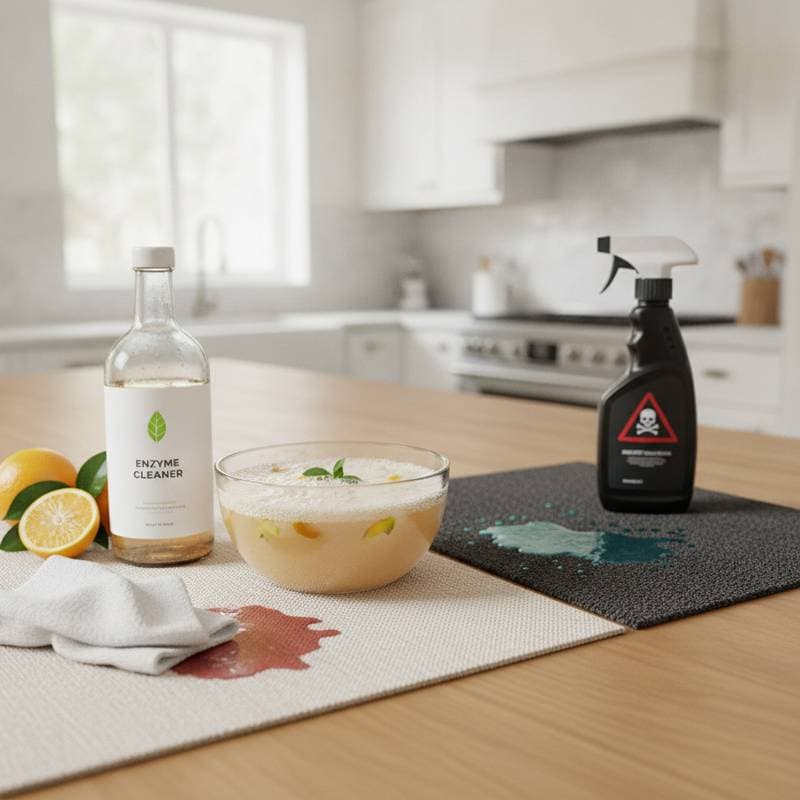
Red wine on a cream linen slipcover once tested my patience in a small New York apartment. Juice spills, muddy shoes, and art projects created constant challenges. Traditional chemical sprays left sharp scents that outlasted the stains. A move to the French countryside introduced a neighbor homemade enzyme blend that handled dairy spills and pet accidents with ease. This approach now guides recommendations for families, renters, and students seeking fresh homes without harsh chemicals.
Key Takeaways
- Enzyme cleaners use natural biological processes to break down stains rather than masking them.
- They work on a wide range of organic materials from food and wine to pet messes and sweat.
- Enzyme cleaners remain safe for families and pets while proving gentle yet powerful.
They reduce heavy scrubbing and minimize long term fabric damage.
These products perform well on upholstery, carpets, and clothing.
Understanding How Enzyme Cleaners Work
Enzyme cleaners rely on naturally occurring proteins that speed the breakdown of organic matter. These proteins act as catalysts and digest the compounds responsible for stains and odors. Chemical cleaners often bleach or perfume over problems, yet enzymes eliminate the root cause. Professional cleaner Sophie Lambertson noted during a London workshop that enzymes neutralize stains and stop working once finished, which leaves no residue.
Different enzymes target specific stains. Protease breaks down protein based stains such as blood, milk, or eggs. Amylase tackles starches and carbohydrates like pasta sauce or baby food. Lipase targets fats and grease. Cellulase helps brighten fabrics by removing microfibers and fuzz. This tailored method creates versatility across household tasks.
Why Families Love Enzyme Cleaners
Parents value cleaners that avoid concerns about breathing or touching residues. Many traditional stain removers use synthetic solvents or chlorine that irritate sensitive skin or trigger allergies. Enzyme based products stay biodegradable and typically free from harmful fumes. When grass streaked trousers arrived after football, an enzyme spray lifted the marks without fading fabric or leaving chemical scents.
Pediatric allergist Dr. Priya Shah explained that enzyme cleaners benefit homes with children or pets. They rely on biological action rather than aggressive solvents, which reduces respiratory irritants and surface residue. Busy families save time because they spray, allow the enzymes to work, then blot or rinse. Soaking overnight or extended scrubbing becomes unnecessary.
Everyday Uses Across the Home
Enzyme cleaners integrate into routines from laundry to kitchen care. They prove practical in smaller homes or flats where multi purpose products matter most.
Laundry Room
Enzyme detergents break down organic stains such as sweat, grass, or food. Add a small amount to regular loads or apply a pre treatment spray for stubborn spots. The method suits school uniforms, sports kits, and baby clothes.
Kitchen
Grease, dairy, and sauce spills consist of organic compounds that respond well to enzyme cleaning. A diluted solution cleans cutting boards, sinks, and fridge interiors without harsh residues.
Bathroom
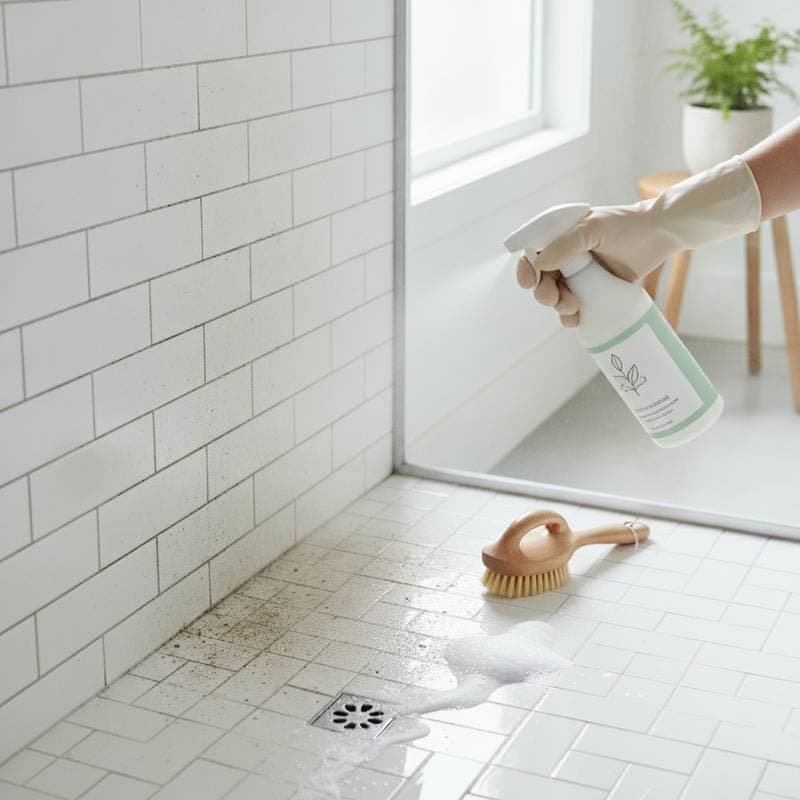
Protein based messes like toothpaste or cosmetic stains on towels yield to enzymes. They also address lingering odors in laundry hampers or bath mats.
Upholstery and Carpets
Pet accidents or spilled coffee require penetration into fibers to digest the stain source. Test on a hidden area first, then spray and blot gently after the solution sets.
Pet Areas
Enzyme cleaners neutralize bacteria that cause odors instead of masking them. This step prevents pets from returning to the same spot, a frequent problem with synthetic sprays.
Global Inspiration: Natural Cleaning Traditions
Different cultures have long used natural cleaning methods that shaped modern enzyme products. French rural households ferment fruit peels to create enzyme rich cleaners. Citrus peels, brown sugar, and water in a glass jar produce a gentle solution after several weeks. Japanese households favor enzyme laundry powders that clean efficiently in cold water, which saves energy and preserves fabric quality.
Choosing the Right Enzyme Cleaner
Not all enzyme cleaners perform equally. Selection depends on specific needs and common stain types.
Look for Transparency
Brands that list specific enzymes deliver better results. A product with protease, lipase, and amylase serves varied household needs.
Avoid Added Fragrances
Natural enzyme cleaners smell mild or slightly fruity. Strong artificial scents often signal additives that reduce enzyme activity or cause irritation.
Consider Packaging
Refillable bottles or concentrated formulas support the environment and store easily in smaller homes. Some companies provide biodegradable containers that align with eco friendly goals.
Test Before You Commit
Always test on a small area of fabric or surface first. Natural fibers like wool or silk can react to prolonged moisture.
Expert Tips for Better Results
Optimal results require patience and proper technique. Allow at least ten to fifteen minutes for enzymes to work before rinsing or blotting. Start with cool or lukewarm water because heat can deactivate enzymes. Use a small amount since oversaturation hinders drying and adds no benefit. Store cleaners in a cool, dark place and use within a few months of opening. Pair them with a soft brush or microfiber cloth to lift residue without damage.
Professional cleaner James Northcott applies enzyme cleaners to antique textiles before restoration because they clean gently without bleaching.
Budget Friendly DIY Enzyme Cleaner
Kitchen scraps can produce an effective enzyme cleaner. Combine two cups of citrus peels, half a cup of brown sugar, and four cups of water in a large glass jar. Stir, seal loosely, and ferment for about two weeks while shaking every few days. Strain the liquid and store it in a spray bottle. This mild version suits light tasks on countertops, bathroom surfaces, and fabrics.
Why Enzyme Cleaners Fit Modern Living
Urban apartments, dorms, and family homes face limited space and time. Enzyme cleaners simplify housework by replacing multiple products with one versatile solution. A single bottle manages laundry pre treating, kitchen degreasing, and carpet spot removal. Most formulations remain biodegradable and safe for septic systems. They support an environmentally conscious lifestyle while providing peace of mind around children and pets.
Adopting Enzyme Cleaners Daily
Switching requires no overnight overhaul. Replace a stain remover or multipurpose spray with an enzyme option and observe changes in fabric softness, color retention, and natural freshness. A quick spray, short wait, and gentle blot resolved a tomato soup spill on a wool rug without panic.