How Cottage Florals Ignite the Grandmillennial Garden Revival
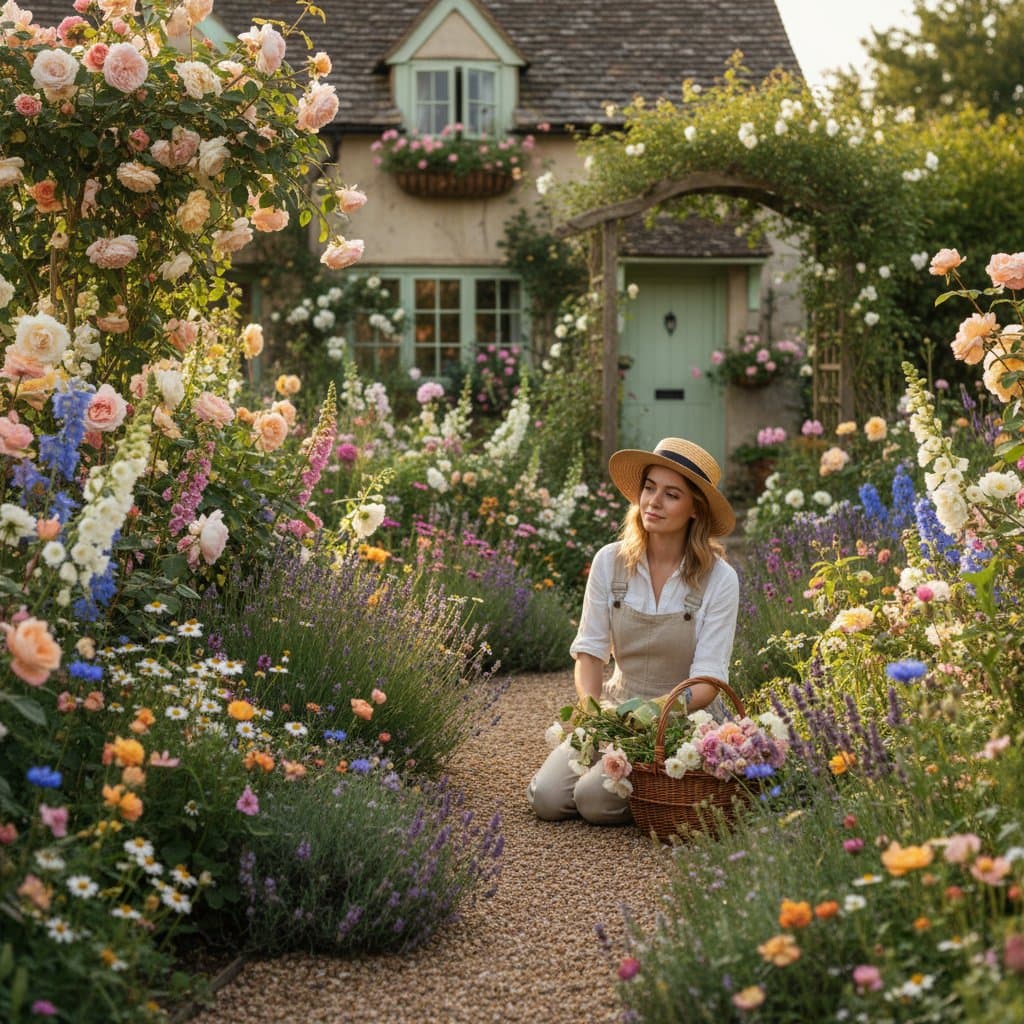
Consider the simple act of tending to a rose in a terracotta pot on a humid afternoon. The gardener kneels close, offering quiet encouragement to a bud halfway to bloom. A passerby might raise an eyebrow, but for many, this intimate connection marks the arrival of the Grandmillennial garden revival in their own space. This shift brings genuine joy to those who embrace it.
The Resurgence of Cottage Garden Aesthetics
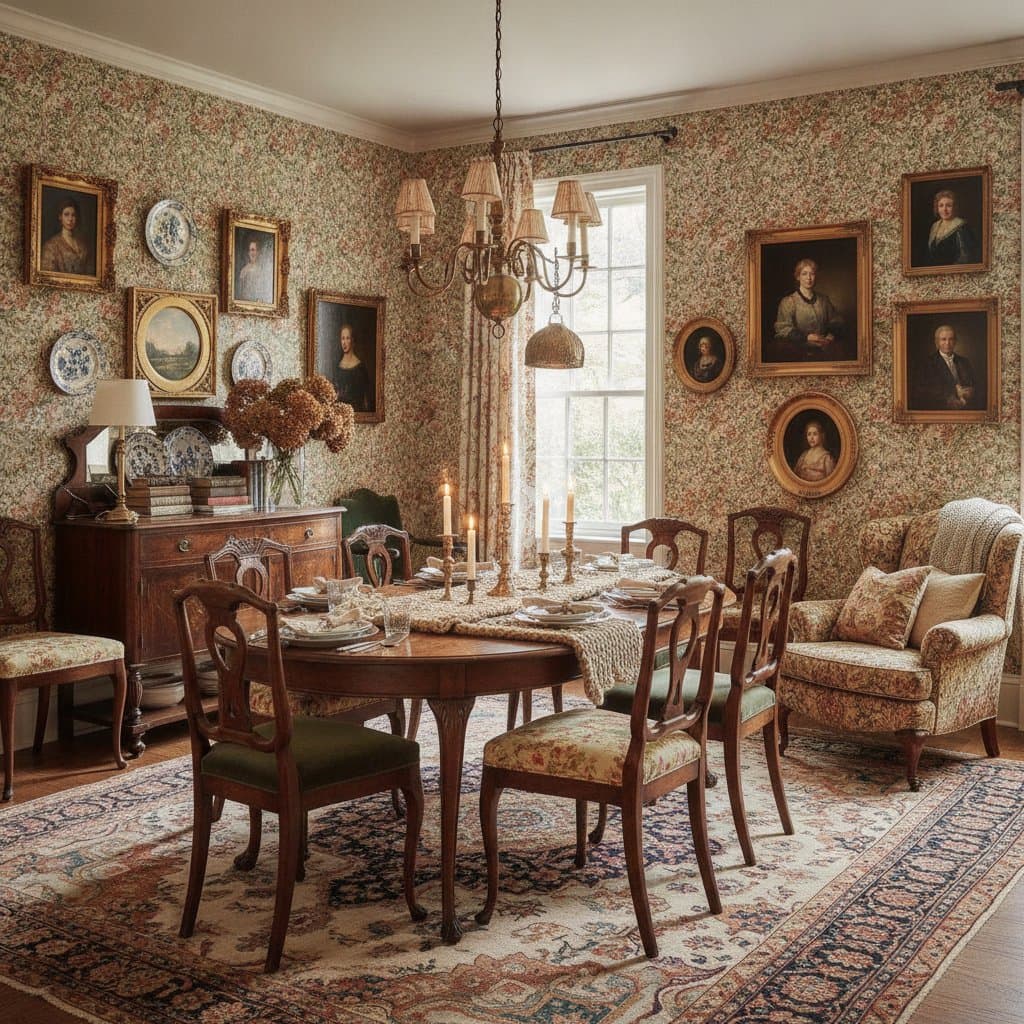
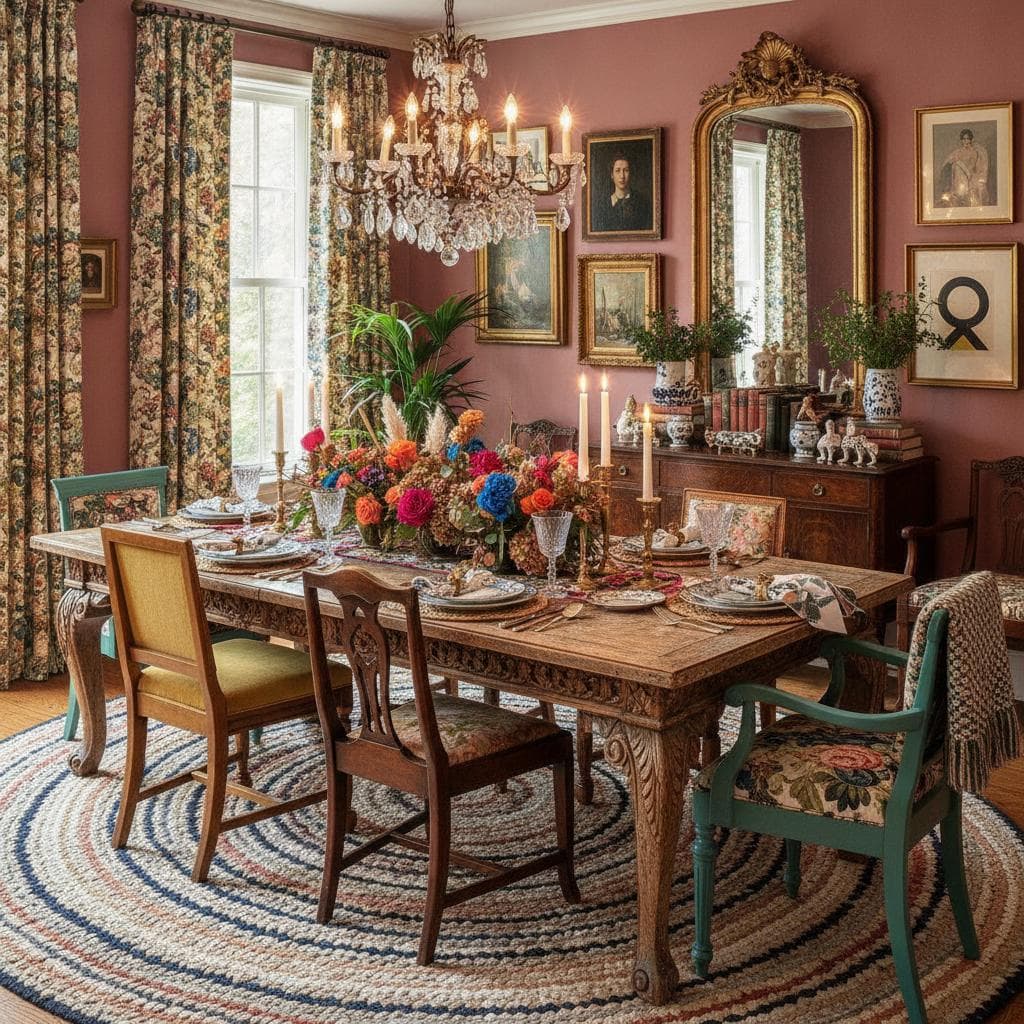
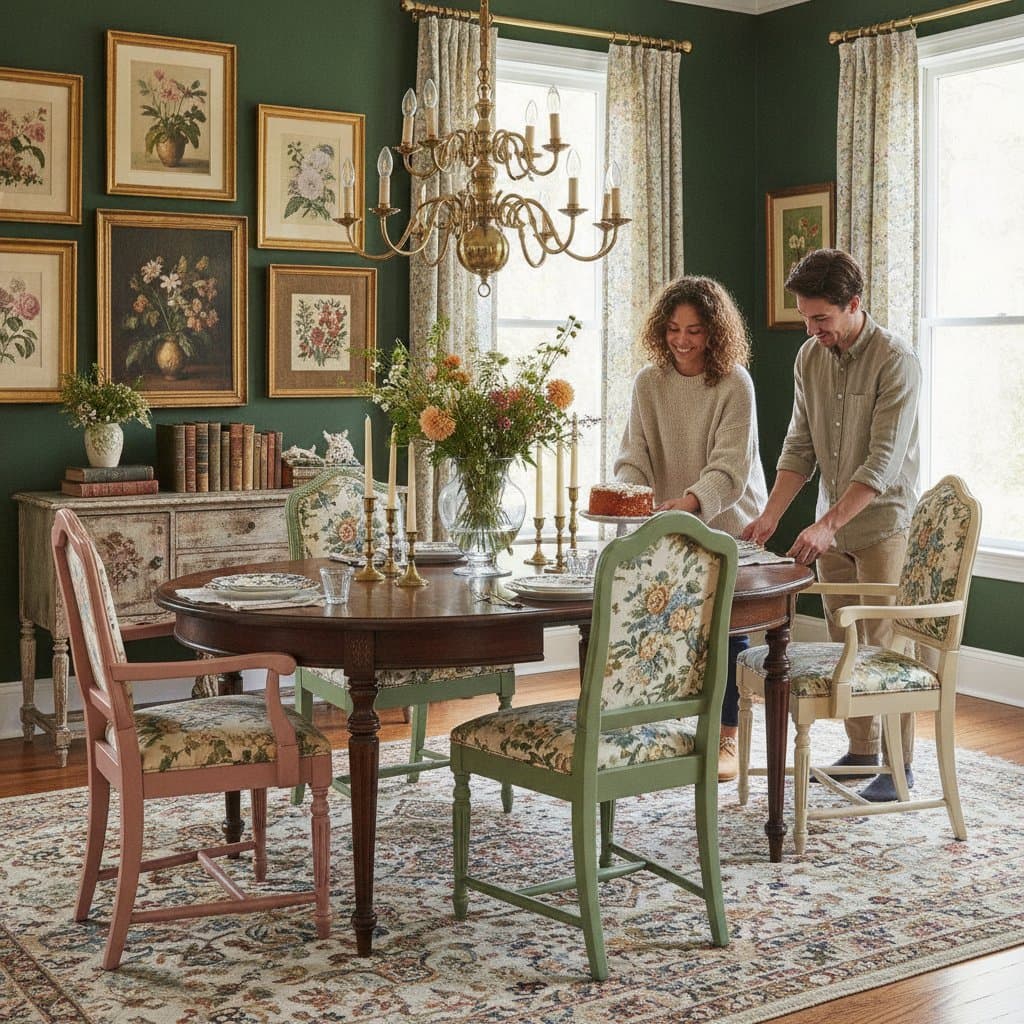
Social media feeds reveal a subtle shift among younger homeowners and renters. Floral patterns on fabrics, wicker accents in furnishings, vintage dishware, and gardens resembling hidden retreats replace manicured lawns. At the core lies the Grandmillennial garden movement, powered by cottage florals.
Decades of sleek minimalism and effortless landscaping have yielded to desires for depth, multiplicity, and gentle disorder. Precise alignments in contemporary yards fade before sprawling lavender beds, ascending roses, and hydrangeas cascading over boundaries. Beyond mere planting, this trend evokes reminiscence, solace, and spaces that blend individuality with enduring appeal.
The Appeal of Florals in Contemporary Gardens
Flowers once seemed daunting to many novice gardeners, limited to resilient houseplants like pothos or peace lilies. Perennials appeared temperamental. Yet, acquiring a selection of varied seedlings from a nearby nursery and placing them intuitively changed perspectives. By summer's peak, the result resembled an impressionist canvas softened by weather, captivating participants.
Cottage-style arrangements forgive errors. Gardeners intersperse herbs among roses, permit daisies to propagate freely, and achieve endearing outcomes. This liberty aligns with Grandmillennial principles: ease surpassing rigidity, emotion eclipsing prestige.
Flowers uplift spirits inherently. Peony aromas, foxglove sways in wind, and the routine of trimming spent blossoms over morning coffee serve as restorative pursuits masked as leisure.
Blending Tradition with Contemporary Functionality
Grandmillennial designs draw from classic English landscapes without strict replication. Integration occurs through heirloom roses alongside pollinator-friendly natives or elevated planters substituting expansive edges. Digital aids enter the scene, such as applications for irrigation alerts or plant identification via snapshots.
This harmony shines in compact city plots and balcony setups. In one Brooklyn example, diverse pots host a compact cottage array: lavender, thyme, and jasmine vines draping railings. Such setups demonstrate that expansive fields prove unnecessary; suitable flora combinations and tolerance for slight disarray suffice.
Steps to Create Your Grandmillennial Garden
Overflowing floral edges may seem unattainable, yet persistence yields success. The following approach, refined through trial, guides the process.
1. Select foundational plants.
Cottage gardens rely on romantic staples. Roses, peonies, delphiniums, foxgloves, daisies, and lavender form the structure. Incorporate aromatic, useful herbs such as sage and rosemary, which deter insects while enhancing visuals.
2. Vary elevations and surfaces.
Depth defines cottage allure. Position tall specimens like hollyhocks or delphiniums at the rear, mid-level options such as daisies centrally, and ground covers like creeping thyme along borders. This arrangement fosters the lush, serendipitous appearance central to the style.
3. Accept natural variations.
Plants may lean, flower irregularly, or draw pollinators en masse. These elements contribute to authenticity. Cottage designs avoid polished uniformity, honoring controlled disarray. Adjust plantings seasonally as needed; the landscape adapts alongside the gardener.
4. Combine heritage and innovation.
Aged ornaments, including patinated vases, aged clay vessels, or metal arches, complement sleek patio pieces. Rescuing a discarded birdbath transformed one yard's focal point, evoking narrative charm with each glance.
5. Manage upkeep efficiently.
Abundant visuals need not overwhelm. Opt for resilient perennials matching local conditions, apply thick mulch layers, and irrigate thoroughly yet sparingly. Digital notifications outperform mental tracking for routines.
The Emotional Core of the Revival
This trend carries profound sentiment. Cottage florals recall grandmothers' plots, youthful vacations, or once-dismissed patterned drapes. Nostalgia revives through wit and utility, forging strong connections.
A tended garden functions as an evolving chronicle. Blooms narrate tales: a propagated rose's debut, a resilient hydrangea post-winter, or persistent lavender despite neglect. Flawed yet personal, it mirrors life's texture.
Integrating the Garden into Daily Life
Grandmillennial spaces invite immersion. Linger amid petals with tea, harvest cuttings for indoor displays, or allow pets to rest beneath hydrangea canopies. True enchantment emerges as the area weaves into routines.
Gardening cultivates patience with pace. It highlights gradual progress, diligent care, and modest triumphs. Such qualities underpin the revival's subtle defiance.
Steps to Introduce Cottage Charm
To infuse outdoor areas with cottage essence, begin modestly. A windowsill planter blending cascading ivy and rose-hued geraniums delivers comparable delight to expansive designs. Trust intuition to guide expansion.