Chemical-Free Steam: Revolutionizing Whole Home Cleaning
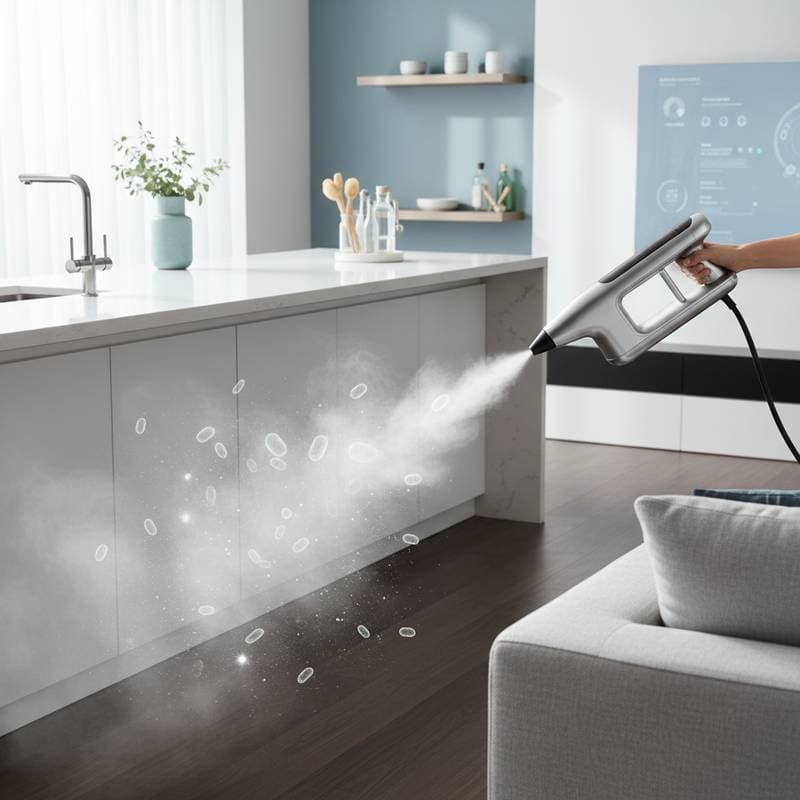
Steam cleaning eliminates dirt, grease, and bacteria using only water. This method creates a chemical-free approach to sanitizing the entire home. High-temperature vapor penetrates surfaces deeply and loosens contaminants without leaving residue or fumes.
Modern steam systems include attachments for floors, upholstery, windows, and grout lines. Proper technique ensures safe operation, prevents moisture damage, and achieves professional-grade results. Steam cleaning supports eco-friendly living by reducing chemical waste, packaging, and indoor pollutants.
Assessment: Determining Steam Cleaning Suitability
Before adopting steam cleaning throughout the home, evaluate the materials and finishes present. Steam proves effective but lacks universal compatibility. Understanding these distinctions ensures safety and prevents costly damage.
- Ceramic and porcelain tile
- Sealed hardwood and laminate flooring
- Stainless steel and sealed stone countertops
- Glass, mirrors, and sealed grout
- Upholstery made from synthetic fabrics
- Shower doors, sinks, and tubs
Avoid steam cleaning:
- Unsealed wood or waxed floors
- Delicate fabrics such as silk or velvet
- Painted surfaces prone to blistering
- Cold windows that could crack under thermal shock
- Electrical equipment or outlets
When uncertain, test steam on a small, inconspicuous area. Observe how the surface reacts to heat and moisture before proceeding. Always confirm that the manufacturer of flooring or finishes permits steam cleaning under warranty conditions.
Implementation: Step-by-Step Whole Home Steam Cleaning
Organize cleaning tasks by area to maximize efficiency. Begin with dry dusting and debris removal, then move systematically from cleaner zones to dirtier ones. This approach minimizes recontamination and streamlines the process.
1. Floors and Baseboards
- Vacuum or sweep to remove loose debris thoroughly.
- Attach a microfiber pad to the steam mop for optimal absorption.
- Set the lowest pressure suitable for your floor type to avoid excess moisture.
- Move the mop slowly in overlapping lines, allowing steam to loosen grime effectively.
- Wipe baseboards with a handheld nozzle using a towel attachment for precise control.
- Allow surfaces to air-dry completely before placing furniture or rugs back in position.
2. Kitchens
- Use a small nozzle or brush to clean around stovetops, oven doors, and range hoods, targeting grease buildup.
- For stainless steel, apply steam from a short distance to prevent streaking, then wipe with a dry microfiber cloth for a streak-free finish.
- Direct steam into sink drains for odor control and sanitation, holding the nozzle steady for 10-15 seconds.
- Clean grout lines between tiles by applying a narrow jet of steam and scrubbing gently with a soft brush.
- Wipe cabinet fronts with a towel attachment to remove fingerprints and grease film without scratching.
3. Bathrooms
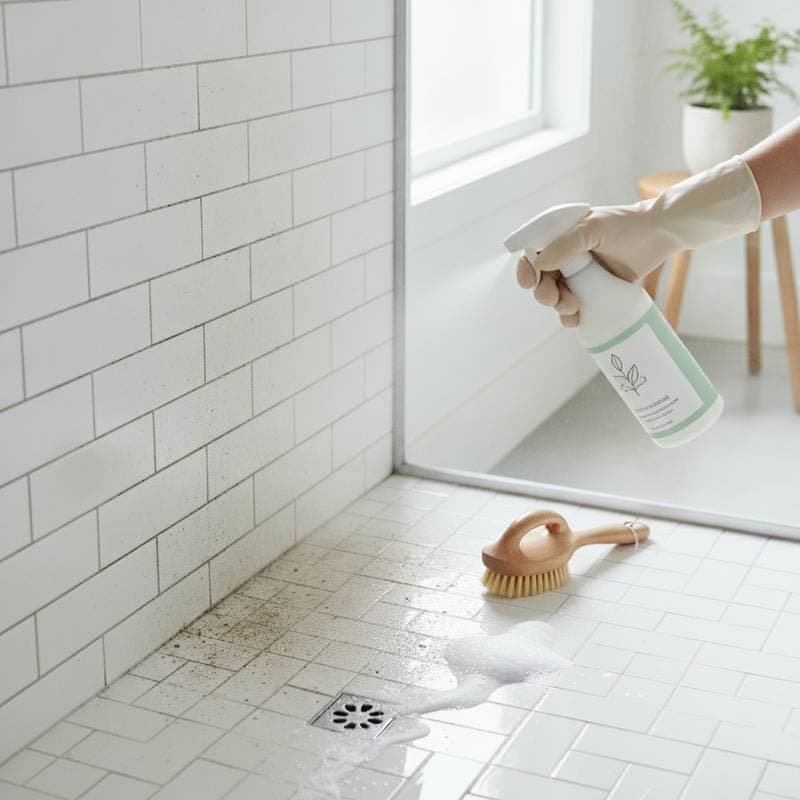
- Begin with tile walls and shower doors using a squeegee attachment to cut through soap scum.
- Target grout lines and faucet handles where mineral buildup occurs, using short bursts of steam.
- Sanitize the toilet exterior and seat hinges using a concentrated steam jet, focusing on high-touch areas.
- Use a microfiber towel to dry surfaces immediately, preventing condensation marks and water spots.
4. Upholstery and Curtains
- Vacuum fabric surfaces thoroughly to lift dust and surface particles.
- Use the upholstery tool with a clean towel cover to protect the fabric.
- Pass steam evenly across the surface, avoiding saturation by keeping the tool moving.
- Allow airflow from fans or open windows to speed drying and prevent mildew.
- For stubborn stains, alternate between short bursts of steam and blotting with a dry cloth to lift residues.
5. Windows and Mirrors
- Apply steam using a squeegee attachment from top to bottom for even coverage.
- Wipe edges with a microfiber cloth to prevent drips and ensure clarity.
- Avoid steaming cold glass to prevent cracking; warm the surface first if needed.
6. Mattresses and Bedding
- Use the small fabric nozzle for controlled application.
- Pass steam over the entire surface in a grid pattern to kill dust mites and allergens.
- Let the mattress dry fully, ideally with a fan, before remaking the bed to avoid moisture retention.
This process transforms cleaning into a streamlined, efficient operation that covers every part of the home without chemicals. Regular application yields visibly cleaner spaces with minimal effort.
Maintenance: Ongoing Care and Prevention Strategies
Consistent maintenance extends the life of both the steam cleaner and household finishes. Establish a schedule that matches your home's activity level and environmental conditions. Regular upkeep prevents buildup and ensures optimal performance.
Weekly:
Light steam passes on high-traffic floors and kitchen surfaces maintain cleanliness and prevent grime accumulation.
Monthly:
Descale the steam cleaner using a manufacturer-approved solution to remove mineral deposits. Inspect hoses and gaskets for leaks or wear.
Quarterly:
Deep clean upholstery, mattresses, and curtains to reduce allergens and refresh fabrics.
Annually:
Inspect grout, caulking, and sealed surfaces to ensure protective coatings remain intact. Reapply sealant where necessary before continuing steam maintenance.
By integrating these cycles into regular home care, you preserve surface integrity and sustain a hygienic environment year-round.
Pro Tips for Success
Experienced users refine their practices to achieve consistent professional-level results. Incorporate the following strategies to improve efficiency and safety. These adjustments elevate routine cleaning to expert standards.
- Work from Top to Bottom: Steam ceilings and walls before floors to prevent dirt from falling onto cleaned surfaces.
- Use Multiple Pads: Keep several clean microfiber pads on hand to avoid redepositing dirt during sessions.
- Monitor Pressure Levels: Excessive pressure can drive moisture into joints or unsealed edges, causing damage; adjust based on material.
- Control Exposure Time: Prolonged steam application can loosen adhesives or soften paint; move continuously to avoid overheating any area.
- Combine Steam with Physical Wiping: Steam loosens debris, but mechanical wiping with a cloth removes it fully for superior results.
- Label Attachments: Dedicate specific nozzles to bathrooms or kitchens to prevent cross-contamination between areas.
Following these best practices ensures that steam cleaning remains efficient, safe, and reliable over time.
Embracing Steam Cleaning for Lasting Benefits
Transitioning to chemical-free steam cleaning does more than replace traditional methods. It redefines how cleanliness, health, and environmental responsibility intersect within the home. The initial learning curve yields substantial rewards: faster cleaning sessions, healthier indoor air, and surfaces that remain truly residue-free. Commit to this approach for a sustainable, spotless living space that prioritizes well-being.