Luxury Vinyl Plank DIY: The Viral Flooring Revolution
Luxury vinyl plank flooring, known as LVP, emerges as a prominent choice for home improvements. It replicates the elegance of hardwood floors while avoiding the associated expenses and upkeep requirements. Homeowners and renters discover in it a practical solution that balances aesthetics and functionality. Installation requires basic preparation, essential tools, and dedicated time over a weekend.
Online videos showcasing dramatic transformations highlight the appeal of this trend. LVP provides a sophisticated appearance suited to everyday living, family dynamics, and financial constraints. Professionals and enthusiasts alike praise its versatility in various living spaces.
Understanding What Makes LVP “Luxury”
Vinyl flooring varies significantly in quality and performance. LVP distinguishes itself through a multi-layered design that enhances realism and resilience. Typical components include a wear layer for surface protection, a photographic layer for visual authenticity, a core layer for structural support, and an optional underlayment for comfort.
Preparing for Installation: Essential Steps
Successful LVP projects begin with thorough preparation. Measure the room precisely to calculate material needs, adding 10 percent extra for cuts and errors. Acclimate planks in the installation area for 48 hours to adjust to ambient conditions and prevent expansion issues.
Inspect the subfloor for levelness using a straightedge; uneven spots greater than 3/16 inch over 10 feet require leveling compound. Clean thoroughly to eliminate dust or debris that could cause clicks to fail. For concrete subfloors, apply a moisture barrier if dampness exceeds manufacturer thresholds.
Gather materials like adhesive for glue-down types or ensure click-lock systems align properly. Plan the layout by dry-fitting planks to avoid narrow cuts at edges. This step ensures even distribution of color and pattern variations across the floor.
The Tools You Actually Need
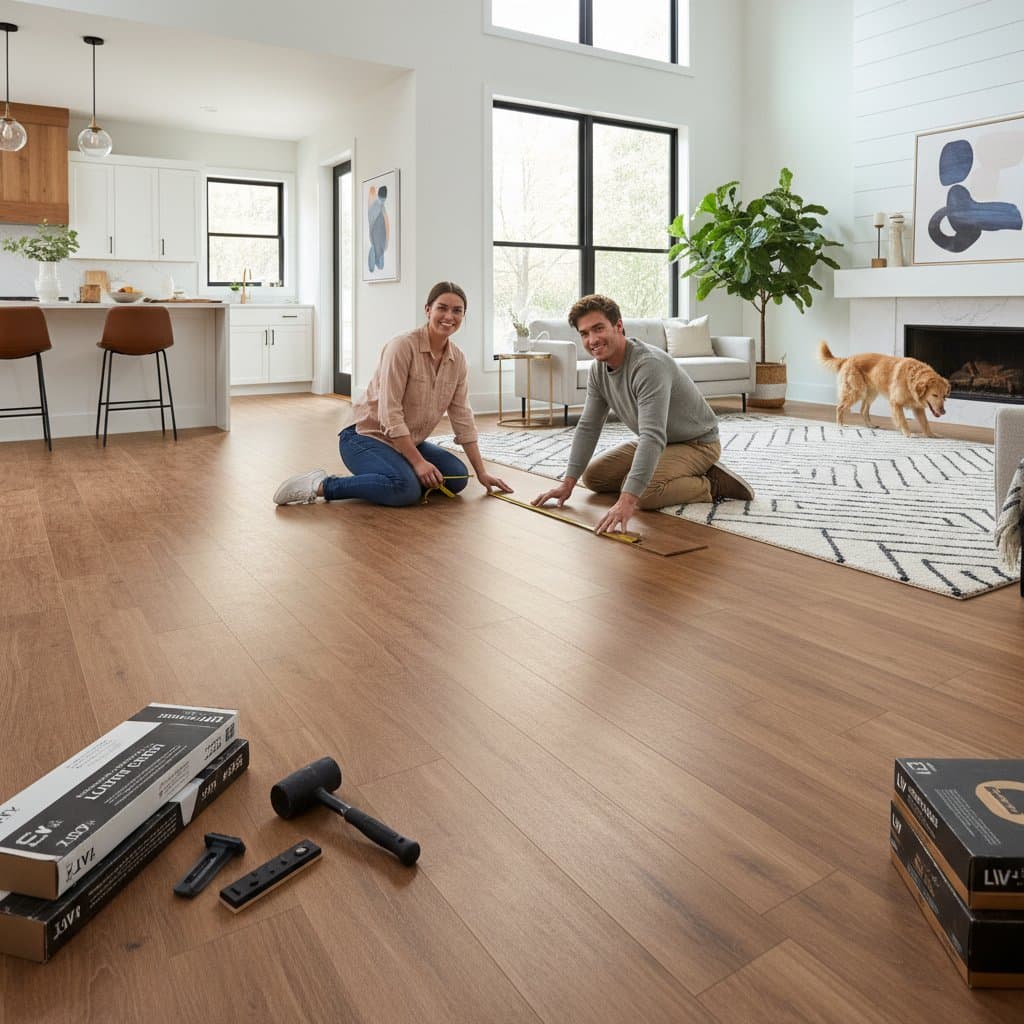
Installation demands minimal equipment, focusing on precision and safety. A utility knife or dedicated vinyl cutter handles straight and curved incisions. Tape measure, chalk line, and straightedge guide accurate markings and alignments.
Spacers maintain a 1/4-inch expansion gap around walls and obstacles. Rubber mallet and tapping block secure planks without damage during assembly. Pull bar resolves tight fits in corners or against baseboards.
For complex areas, a jigsaw with fine-tooth blade navigates around pipes or thresholds. Review manufacturer guidelines, as locking mechanisms vary between brands. Organize tools and materials to streamline the process and reduce interruptions.
Step-by-Step Installation Guide
Start in the longest wall's center for balanced cuts. Lay the first row with groove facing the wall, using spacers for gaps. Connect subsequent planks at 30-degree angles, tapping gently to engage locks.
Stagger seams in following rows by at least 6 inches for stability, resembling natural wood patterns. Cut planks to fit ends using a straightedge and knife; score and snap for clean breaks. Around obstacles, measure twice, transfer to plank, and cut with appropriate tool.
For floating installations, underlayment rolls out beneath planks for cushioning. Transition to adjacent rooms with T-moldings or reducers. Trim door jambs if needed for flush fit, then install baseboards to cover gaps. Allow 24 hours before heavy use.
Design Choices That Elevate the Look
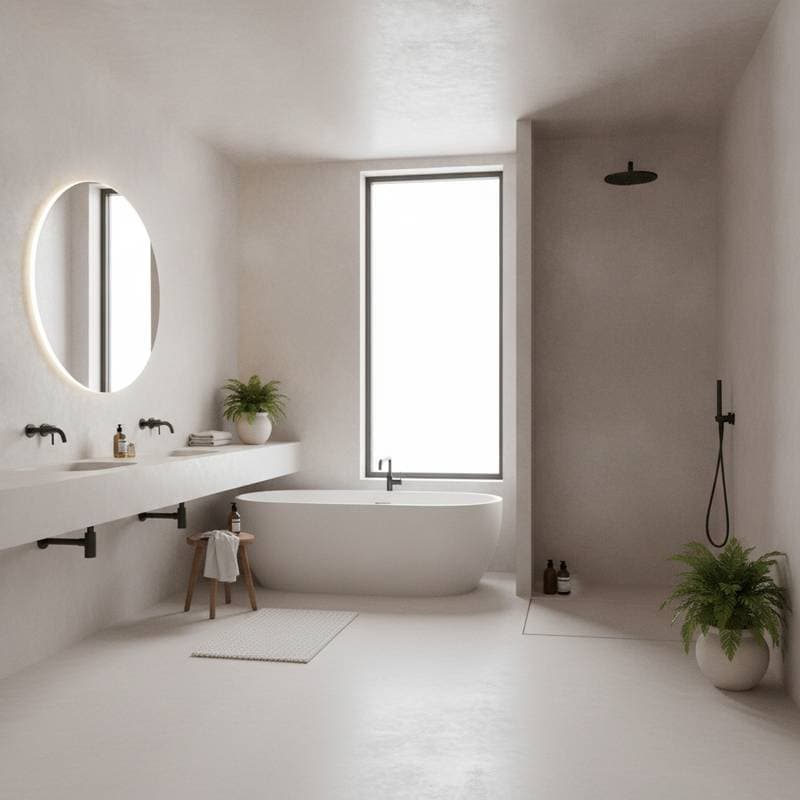
LVP offers extensive options in hues, textures, and formats to suit diverse styles. Light oak finishes brighten compact areas, fostering an open, contemporary vibe. Richer tones like walnut introduce depth and elegance to living spaces.
Interior designer Fiona Patel of Haven Interiors notes, “Clients are drawn to matte finishes because they hide dust and footprints better than glossy ones. It’s a win for families and pet owners.” Matte surfaces also reduce glare in well-lit rooms.
In open layouts, maintain uniform plank orientation across zones for fluid visual flow. Diagonally installed planks draw the eye, enlarging perceived space in narrower rooms. Parallel alignment to focal walls enhances length and directs traffic naturally.
Caring for Your New Floors
Maintenance preserves LVP's appearance with routine practices. Sweep or vacuum daily to clear abrasive particles that scratch the surface. Damp mopping with a pH-neutral cleaner addresses spills promptly without residue buildup.
Steer clear of harsh chemicals, steam cleaners, or oil polishes that degrade the wear layer. Protect high-traffic zones with area rugs and entry mats to trap outdoor dirt. Felt protectors on furniture legs prevent indentations during rearrangement.
Individual planks replace easily if damaged; lift adjacent pieces to access and swap. Quality LVP withstands 20-30 years of normal use, offering long-term value. Regular care ensures sustained performance in demanding households.
Enjoying the Results of Your Effort
A self-installed floor brings a sense of accomplishment with each step. Sunlight accentuating wood-like details reinforces the personal touch invested. LVP demonstrates that impactful changes require accessible skills rather than advanced expertise.
This project suits partial or full-home updates, yielding enduring style and utility. Practical advantages, from water resistance to easy cleaning, integrate seamlessly into daily routines. Seize the opportunity to craft a foundation that reflects individual vision and enhances living comfort.