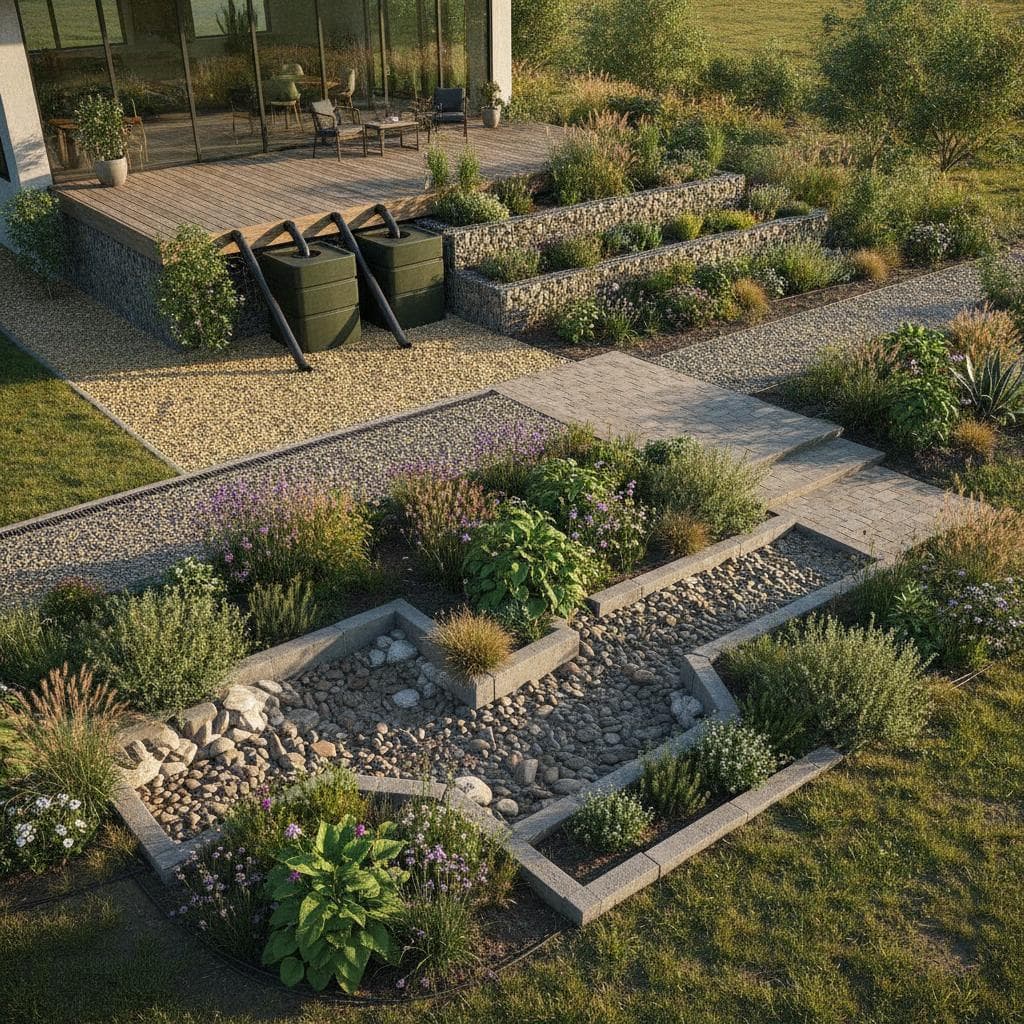
- Seasonal Versatility: Evergreen foliage and varied textures ensure attractiveness in all weather.
London landscape designer Lily Ashworth notes that gravel gardens balance structure and spontaneity. Paths and seating areas provide order, while plantings retain a relaxed, natural feel.
Step-by-Step Guide to Creating a Gravel Garden
Building a gravel garden demands planning and patience rather than expert skills.
- Site Preparation: Clear turf or weeds and level the ground. Install weed membrane to block regrowth.
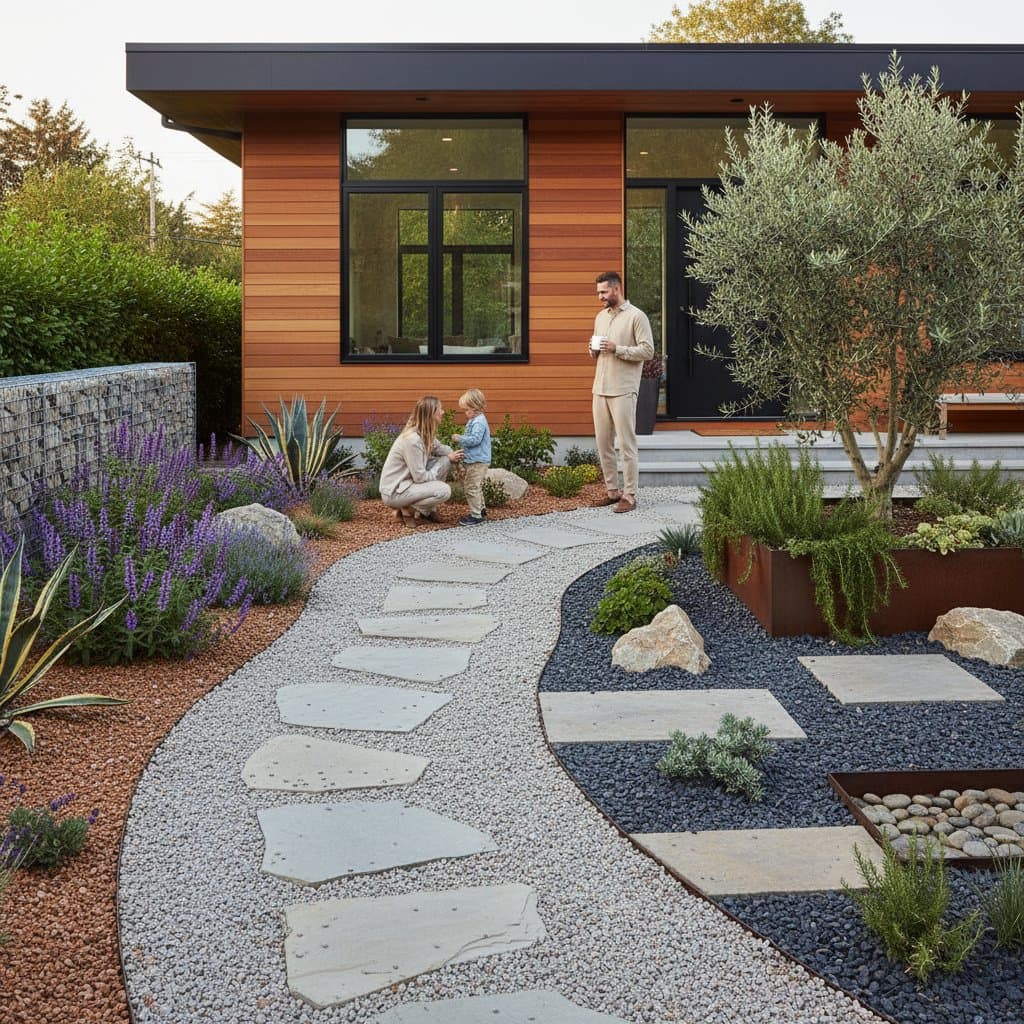
- Gravel Application: Lay two inches of gravel in a tone matching your home, such as pale limestone for shade or dark slate for contemporary depth.
- Plant Selection: Opt for drought-tolerant species suited to local conditions, including Mediterranean herbs, ornamental grasses, sedums, and lavender.
Planting Process: Cut holes through gravel and membrane, incorporate compost, and position plants securely.
Initial Watering: Soak new additions thoroughly, then taper off as roots develop.
Involving children in our project made it engaging; my daughter selected lamb's ear for its soft texture, and my son chose thyme for its scent when walked upon. The activity fostered family connection over routine tasks.
Drawing Inspiration from Global Traditions
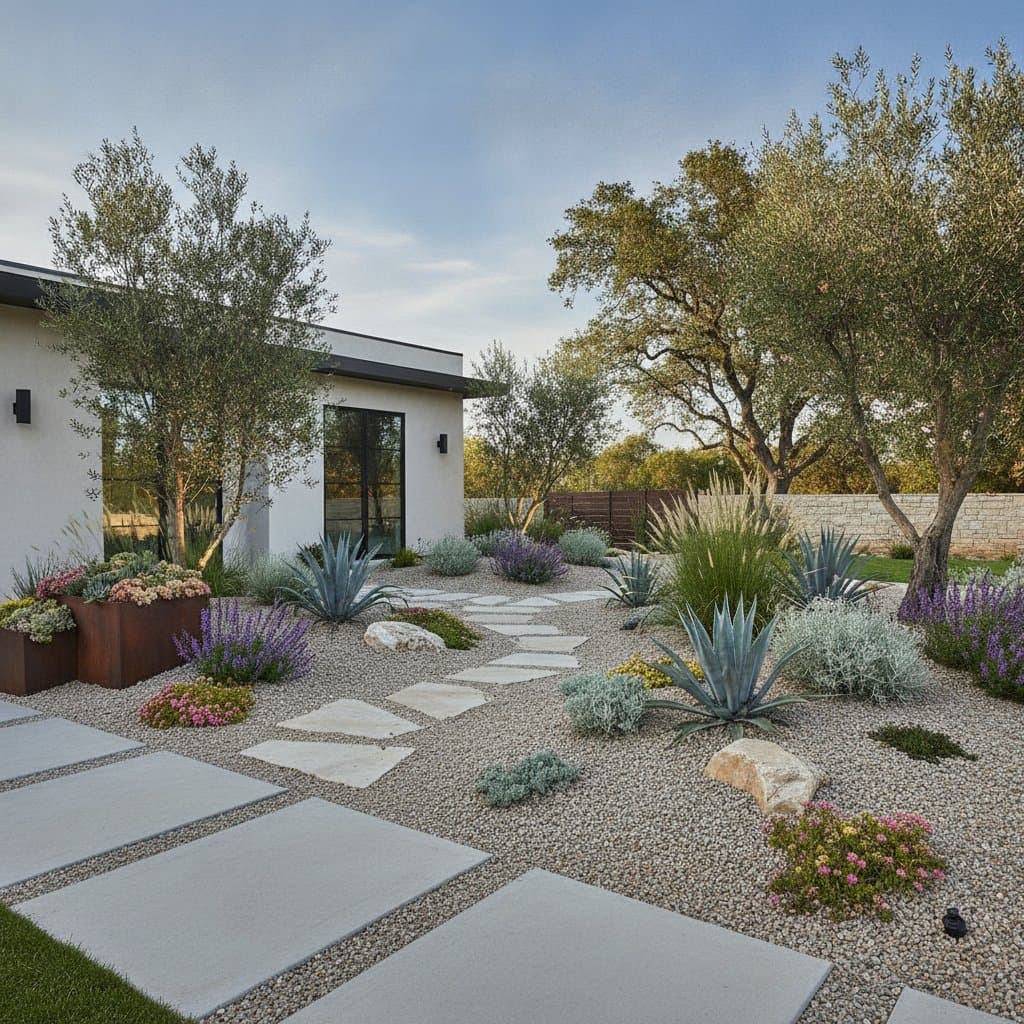
Various cultures integrate gravel and stone into landscapes with purpose. French rural courtyards use gravel for aesthetics and functionality in arid conditions. Japanese designs employ gravel for tranquility, fostering spaces that harmonize nature and intention. Southwest American xeriscapes pair gravel with succulents and natives to highlight endurance and form.
Adapt these elements locally: a London terrace might combine crushed gravel with boxwood and lavender for form and aroma. A New York balcony could mimic desert aesthetics using potted agaves and river pebbles. The unifying theme remains reduced effort paired with enhanced beauty.
Enhancing Style in Gravel Gardens
Practicality pairs with sophistication through deliberate details.
- Texture Variation: Blend fine and coarse gravel to add dimension.
- Hardscape Integration: Include stone pavers, wooden benches, or aged planters for visual interest.
- Height Dynamics: Pair ground-level herbs with upright grasses or blooming perennials.
- Illumination Choices: Install solar or low-voltage lights to accentuate surfaces at dusk.
- Natural Aesthetic: Preserve subtle wildness, as over-control diminishes the charm.
Interior stylist and outdoor expert Marcella Boyd observes that gravel gardens extend indoor-outdoor flow. Repeating home materials or hues creates seamless transitions.
Designing for Family Use
Concerns about gravel's suitability for children fade with intentional planning. Select rounded pea gravel to ensure safety. Designate play areas with artificial turf patches or decking for active use. Incorporate stepping stones for games or a shallow fire pit for gatherings. Flexibility accommodates changing family dynamics over time.
For younger children, we bordered a sand area with wooden sleepers within the gravel. This spot evolved into raised herb beds and a seating table as needs shifted, thanks to the adaptable base.
Sustaining and Enjoying Your Gravel Garden
Established gardens need light upkeep: rake surfaces biweekly, remove stray weeds, prune spent perennials seasonally, and replenish gravel as needed.
The subtle evolution of our gravel garden captivates, shifting with sunlight and weather while inviting relaxation. Urban balconies or rural plots alike benefit from this versatile approach, delivering enduring outdoor harmony.