Gravel Gardens: The Shift to Low-Maintenance Landscapes
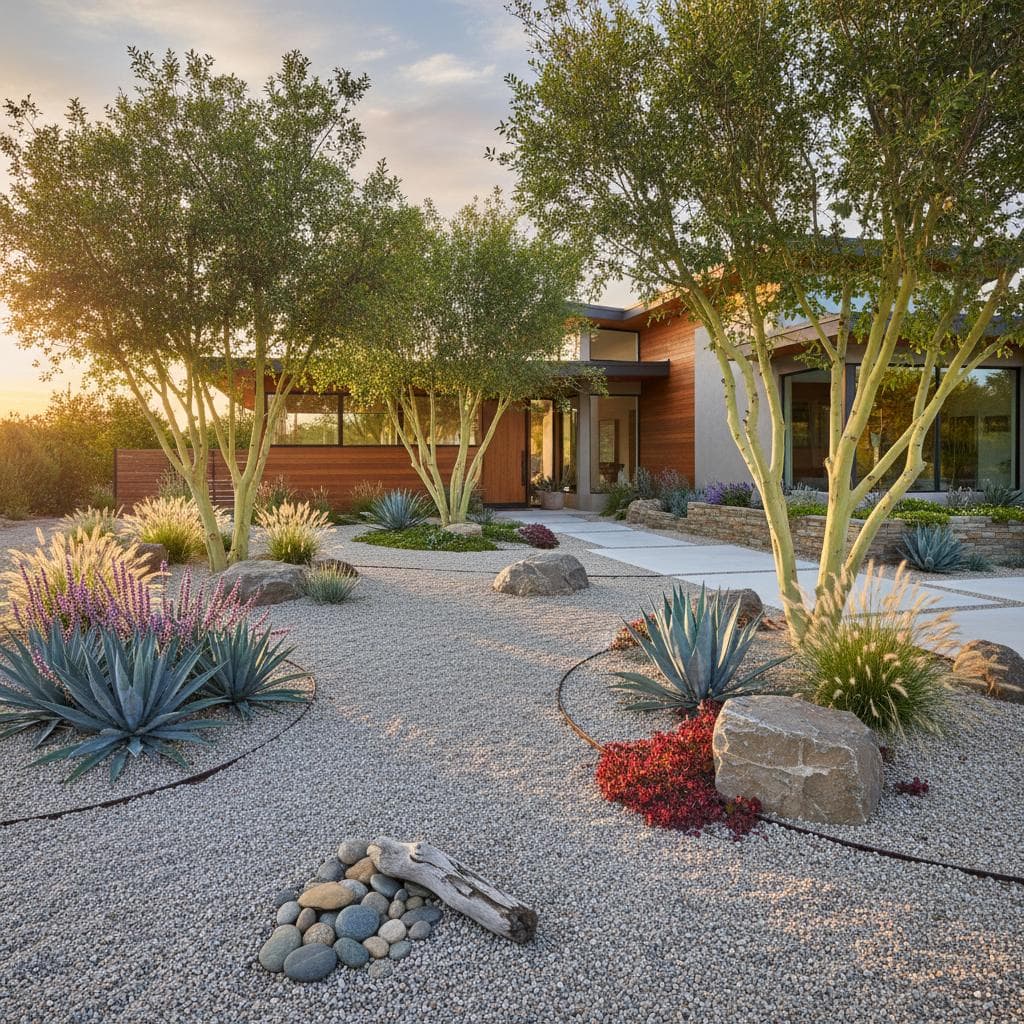
Imagine sunlight reflecting on polished pebbles, aromatic herbs releasing fragrance with a light touch, and pollinators visiting lavender and thyme blooms. No mower disrupts the peace, no puddles form after showers, and weekends remain free from weed control. This scene captures the essence of a gravel garden, a prominent trend in effortless yard design.
Homeowners and renters nationwide reconsider the classic lawn. The change extends beyond reduced mowing or water conservation, though these advantages attract many. Gravel gardens foster natural, varied, and vibrant outdoor areas that demand minimal attention. They convert demanding lawns into tranquil, eco-conscious settings.
The Challenges of Traditional Lawns
For generations, a verdant lawn signified a tidy property. Maintaining that appearance demands significant labor, however. Frequent cutting, persistent irrigation, synthetic fertilizers, and pest management transform lawns into obligations rather than retreats.
Defining a Gravel Garden
A gravel garden employs gravel, rocks, and water-wise plants in place of turf. It transcends mere rock placement. When executed properly, it forms a balanced system integrating soil preparation, drainage, and suitable vegetation.
Visualize it as an organic tapestry. Gravel serves as a barrier against weeds and a retainer of soil moisture. A prepared foundation underneath ensures effective water flow. Selected plants flourish in the porous, ventilated setting.
The outcome endures across seasons with inherent elegance. Silvery artemisia, yellow achillea, and feathery pennisetum grasses contribute hues and dynamism to the composition.
Reasons Gravel Gardens Gain Popularity
Gravel gardens attract through both form and function. Their elegance pairs with intelligent design.
Key factors driving adoption include:
- Minimal Upkeep: After establishment, these gardens need infrequent weeding, sparse irrigation, and no cutting.
- Environmental Advantages: Decreased water consumption and avoidance of chemicals align with green practices.
- Long-Term Savings: Initial costs for materials and vegetation yield returns via lower utility and supply bills.
- Design Flexibility: Options range from rustic pebble arrangements to sleek contemporary layouts or evocative Mediterranean styles.
- Superior Water Management: Layered construction averts pooling and soil loss, suiting multiple regions.
This blend of allure, utility, and ecology appeals to individuals seeking streamlined, earth-friendly living.
Steps to Create a Gravel Garden
Designing a gravel garden appears complex but suits dedicated amateurs. Thoughtful preparation converts a standard lawn section into a restful haven over several weekends.
Step 1: Design the Layout
Sketch the area first. Identify zones for gravel walkways, planting pockets, or relaxation spots. Evaluate sun patterns and shadows, as these influence plant selections.
Step 2: Prepare the Site
Clear grass and weeds thoroughly, then smooth the earth. Install permeable landscape fabric to suppress regrowth while permitting drainage.
Step 3: Install the Gravel Layer
Apply gravel to a depth of two to three inches. Select types matching your vision, like rounded pea gravel for softness or angular decomposed granite for definition.
Step 4: Select and Plant Vegetation
Opt for species adapted to dry, drained conditions. Recommended varieties encompass lavandula angustifolia for fragrance, sedum spectabile for succulence, thymus vulgaris for ground cover, agave americana for drama, eryngium maritimum for texture, and festuca glauca or stipa tenuissima for subtle accents. Cluster companions with matching hydration requirements.
Step 5: Finish and Care
Top with fine gravel mulch to deter weeds and stabilize humidity. Irrigate moderately during rooting, then rely on rainfall.
Adaptability defines gravel gardens. Begin with a modest trial area and scale based on results.
Ecological Advantages Beyond Aesthetics
Gravel gardens extend value past appearance. They establish niches for wildlife. Pollinators shelter in herb clusters, reptiles warm on rocks, and avians forage securely.
Reflective surfaces minimize absorption compared to turf, curbing runoff and preventing washouts. They moderate ambient heat by scattering sunlight, fostering comfort in warmth.
For transient residents or tenants, these gardens provide portability. Containers and adjustable borders enable reconfiguration across locations.
Enhancing with Creative Elements
Gravel gardens encourage innovation. Gravel varieties and plant arrangements dictate the atmosphere.
- Color Contrasts: Combine pale and deep tones to outline routes or highlight features.
- Vertical Variation: Blend creeping thymes with upright miscanthus for dimension and flow.
- Natural Accents: Integrate boulders, weathered branches, or repurposed artifacts for focal interest.
- Illumination: Position solar-powered fixtures to accentuate gravel gleam after dark.
Such additions elevate spaces to multisensory realms. Footfalls yield gentle sounds, winds animate foliage, and vistas reveal evolving details.
Professional Tips for Enduring Results
Landscaping experts stress foundational elements for viability. Thorough soil amendment and drainage setup prove essential. Neglect here undermines even refined aesthetics.
Designer Sophie Kendall describes a gravel garden as a prepared surface awaiting artistic application. Plants function as strokes, with success hinging on equilibrium among surface, shade, and shape. She recommends restricting to select harmonious shades, repeating motifs for cohesion.
Care remains light yet necessary. Periodic raking maintains tidiness, and selective trimming promotes vigor. View it as nurturing rather than labor.
Embracing the Gravel Garden Lifestyle
As a gravel garden matures, it influences daily rhythms. Resilience of flora becomes evident, light alters textures, and simplicity brings serenity.
Mornings shift to leisurely observation over tasks. Stroll with beverage in hand to appreciate foliage sheen. Storms leave refreshed stones rather than tracked soil.
Implementing Gravel Gardens in Your Space
When lawns burden rather than delight, explore gravel options. Initiate modestly, test aggregates, and incorporate beloved botanicals for personal satisfaction.