Enzyme Cleaners Surpass Bleach in Sustainable Bathrooms for 2025
Homeowners often face a dilemma in the cleaning aisle, surrounded by products that claim to disinfect and restore shine. For years, bleach served as the go-to solution, delivering a sense of thorough sanitation. However, a notable change has emerged in bathrooms globally. Individuals now opt for enzyme cleaners, which provide effective results without the associated drawbacks of harsh chemicals.
This transition extends beyond mere environmental preferences. It reflects a growing awareness that pristine bathrooms can exist alongside health and sustainability. Once the mechanism of enzyme cleaners becomes clear, returning to bleach proves challenging.
Reasons Enzyme Cleaners Lead the Way
Enzyme cleaners rely on biological agents to dismantle organic substances. These agents function like microscopic agents that target grime, soap residue, and odors at their core. Rather than concealing issues, they eradicate the root causes.
Understanding the Underlying Science
Enzymes consist of proteins that accelerate biochemical processes. Specific types address particular substances: proteases degrade proteins, lipases handle fats, and amylases process starches. In cleaning formulations, these combine to manage diverse residues, from toothpaste remnants to skin oils and soap layers.
Their targeted approach sets them apart from bleach, which indiscriminately affects all materials. This selectivity ensures surfaces remain undamaged. Institutions such as hospitals, educational facilities, and environmentally certified structures have adopted enzyme methods for sanitation. The same principles apply effectively to residential bathrooms, promoting safer practices.
Benefits for Environmental Sustainability
Sustainability represents a key strength of enzyme cleaners. Bleach production involves energy-intensive processes and generates pollutants that contaminate water sources. Enzyme products degrade naturally, avoiding toxic emissions and often featuring recyclable packaging or refill systems.
Households aiming to lessen their ecological impact benefit from this choice. Cleaning extends to broader contributions, such as improved air and water quality. Such decisions accumulate into meaningful environmental progress.
Achieving Effective Results Gently
Some individuals express concern over the absence of bleach's distinctive scent, associating it with true cleanliness. In reality, that aroma signals lingering chemicals rather than sanitation. Enzyme cleaners impart a mild, neutral scent that aligns with actual hygiene.
To illustrate their utility in bathrooms, consider these applications:
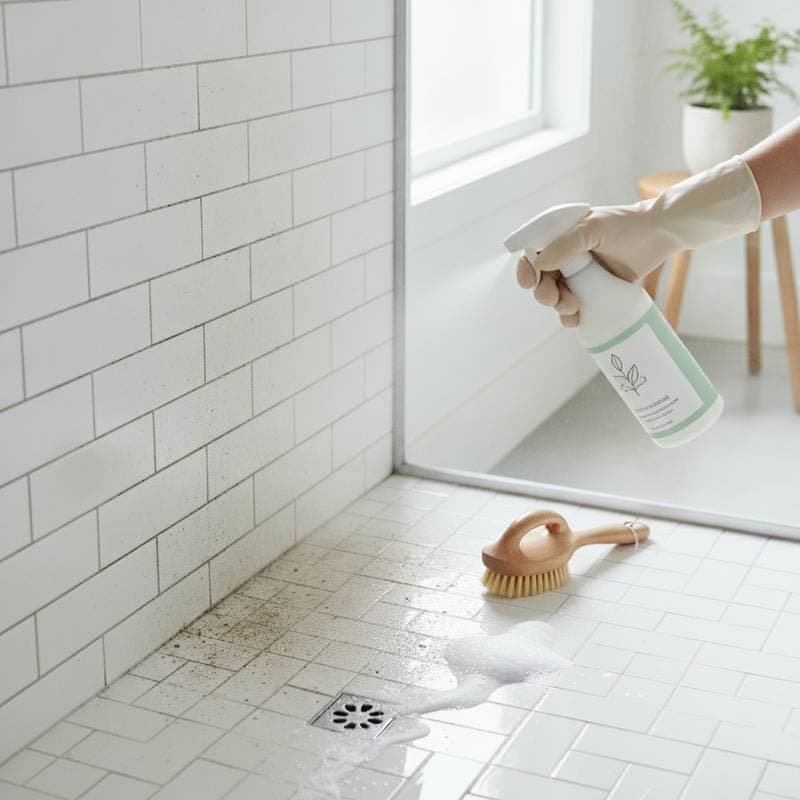
- Tile and grout: Enzymes infiltrate porous areas to remove stains without altering color.
- Glass and mirrors: They dissolve films for streak-free clarity.
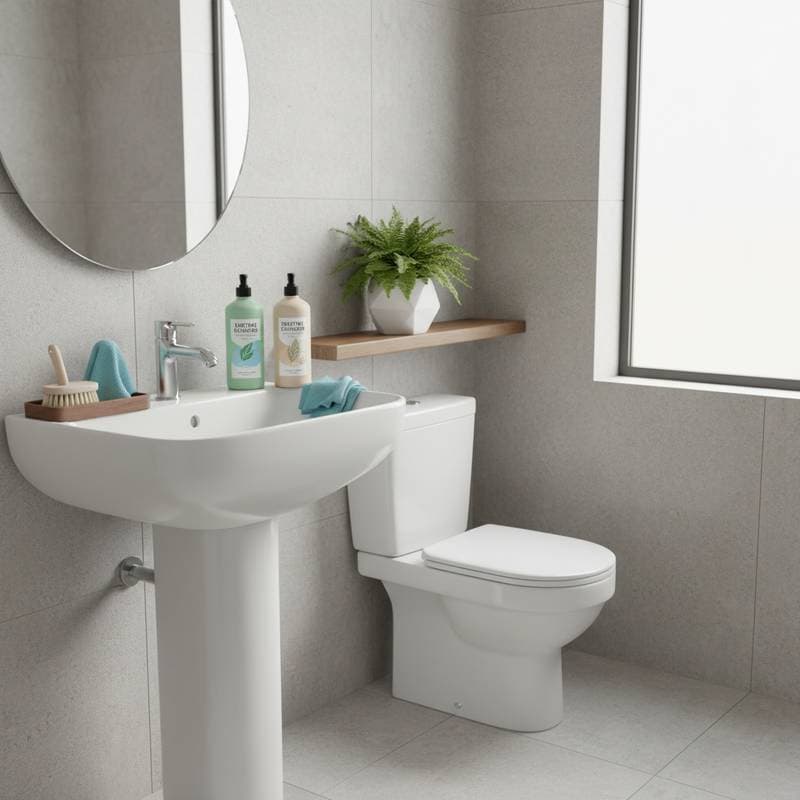
- Sinks and tubs: Formulas break down soap, toothpaste, and mineral deposits.
- Drains: Specialized variants prevent blockages by digesting organic matter.
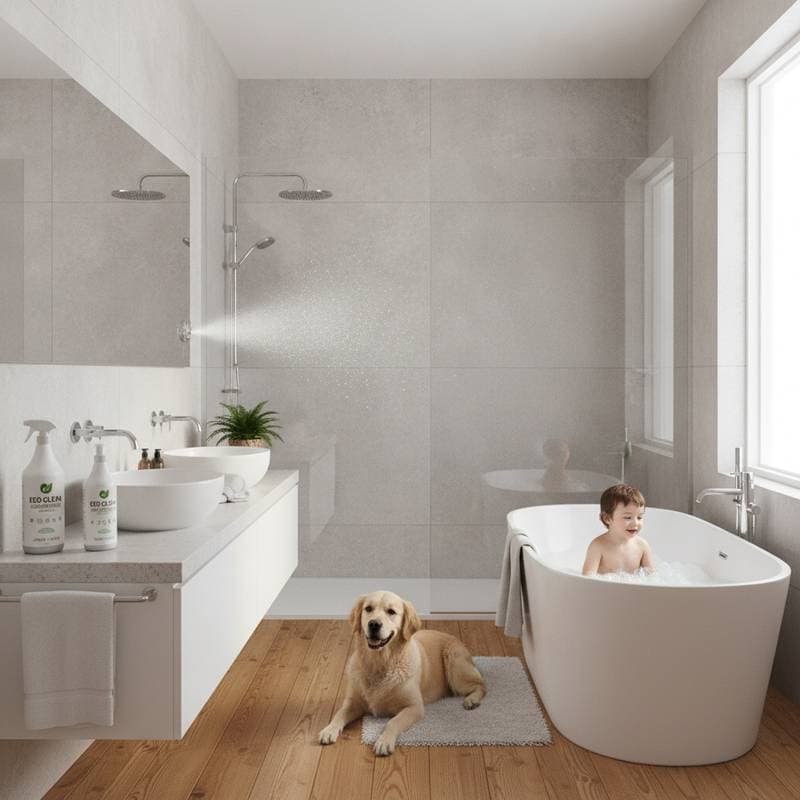
Results match bleach's visual appeal, without health risks or material wear. Families with children or pets appreciate the immediate safety of treated surfaces.
Steps to Adopt Enzyme Cleaning
Switching from bleach requires no complete overhaul. Begin with a versatile enzyme product and apply it consistently for several weeks. Observe the sustained freshness in your bathroom, which may decrease cleaning frequency.
For challenging spots like mildew-affected grout or shower edges, select concentrated versions. Allow sufficient contact time for optimal performance, though results endure. Resourceful users can prepare basic enzyme mixtures at home through fermentation of fruit peels, yielding effective solutions for routine tasks.
Integrate enzyme use with good habits, such as ensuring airflow and performing upkeep. These cleaners perform best in warm, humid conditions, so apply them and pause before rinsing. This method lets the product handle the effort efficiently.
Enhancing Daily Comfort Through Cleaner Spaces
A hygienic bathroom influences mood upon entry. Without chemical odors, the environment promotes relaxation. Materials like wood accents or stone floors retain their appeal when protected from abrasive cleaners.
Enzyme routines foster intentional home maintenance. Choices impact personal health alongside aesthetics. Embracing this approach supports balanced living. Experiment with enzyme cleaners to experience their ease in upholding bathroom standards, confirming their superiority over traditional methods.