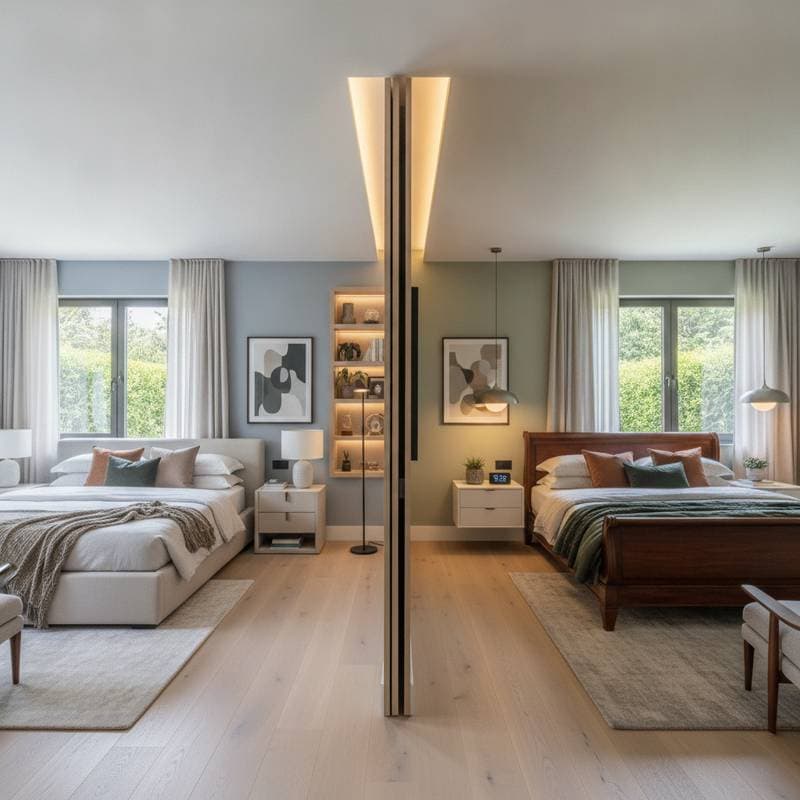
Dopamine Decor: Colorful Bedrooms That Boost Your Mood
Color choices often determine whether a bedroom feels energizing or flat. Many spaces end up with gray walls and beige textiles because those options seem safe. The result is a room that feels impersonal. Dopamine decor counters this pattern by using color, texture, and personal objects to support daily mood.
This approach builds spaces that trigger positive responses through deliberate selections rather than trends. Suitable palettes change how people start and finish each day. The method works because it ties visual elements directly to individual preferences.
Core Elements of Dopamine Decor
Dopamine decor relies on colors and patterns that produce personal uplift. One person may respond to strong yellow while another prefers soft green. The goal is to activate reward pathways with visuals that feel relevant. Replicating someone else example rarely succeeds because preferences differ.
Preparation Steps Before Painting
Assess lighting first. Natural light changes how colors appear throughout the day, so test samples on multiple walls at different times. Warm bulbs soften strong hues while cool bulbs sharpen them.
Decide on the level of visual stimulation next. Bedrooms should support rest, so select one main feature and add smaller accents. An accent wall or patterned bedding often provides enough impact without overwhelming the space.
Gather these materials:
- Quality painter tape and protective cloths
- Rollers, angled brushes, and a trim brush
- Primer for dark or shiny surfaces
- Paint samples in chosen tones
- Test boards for color trials
Smooth and clean walls before applying wallpaper because bright patterns reveal imperfections.
Building the Bedroom Step by Step
Define the Desired Feeling
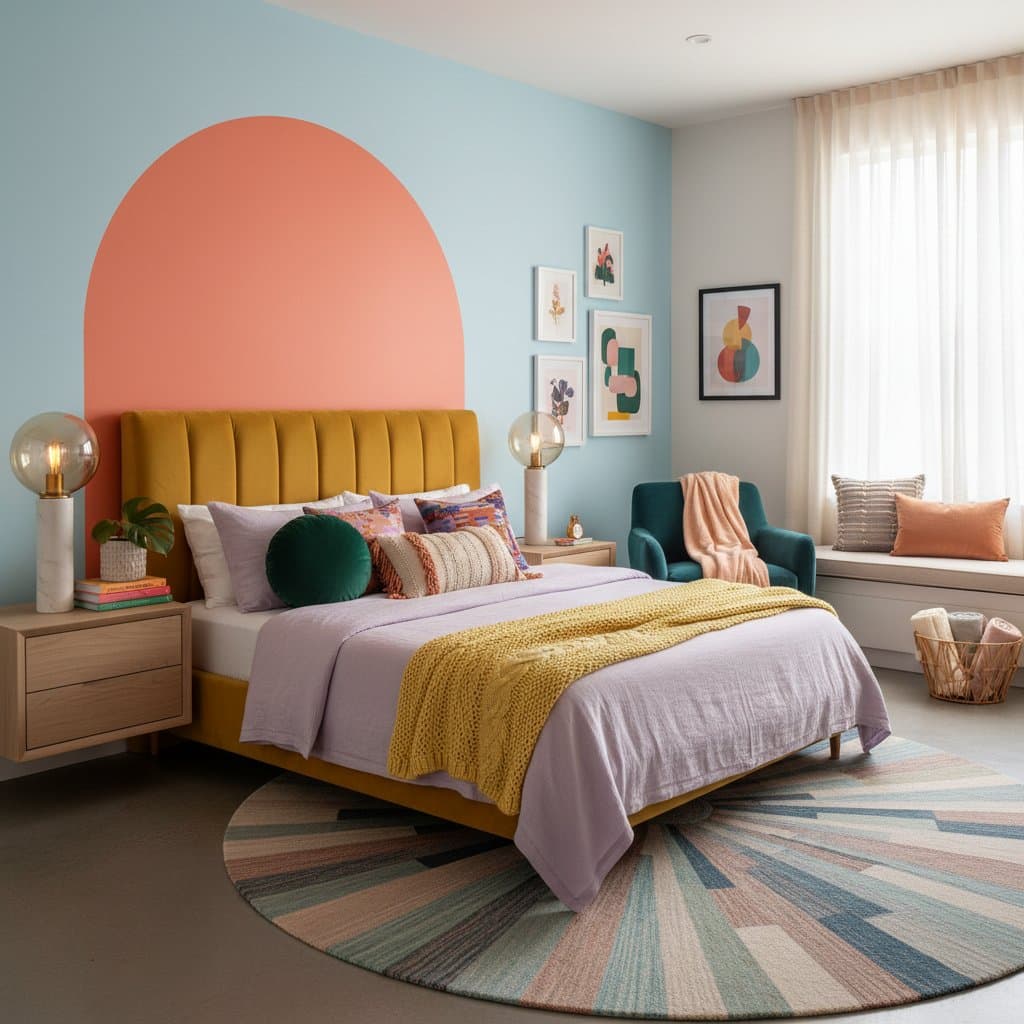
Identify the sensation wanted upon entering the room. Muted blues and greens promote calm. Coral and cobalt supply energy. Teal paired with limited burnt orange supports creativity.
Establish the Main Color
Select one primary color for large surfaces such as walls or bedding. Matte or eggshell finishes reduce glare. An accent wall offers a lower commitment when bright tones feel uncertain.
Incorporate Supporting Colors
Add two or three additional shades through fabrics and furnishings. A soft pink base works with gold accents, emerald pillows, and a navy rug. This layering prevents excess intensity.
Build Layers of Texture
Introduce varied textures for dimension. Velvet cushions, woven blankets, wooden pieces, and rugs create multiple touch points. These elements strengthen the positive response through added sensory variety.
Include Meaningful Items
Place personal objects that extend the color benefits. Travel mementos, photographs, and original artwork surround the occupant with valued visuals.
Addressing Frequent Issues
An overly strong room after painting benefits from neutral bedding or wood tones. Painting the ceiling or trim in soft white supplies visual relief. Excess clutter after color addition requires removal of competing items so one main feature stands out.
Color shifts under different lights call for bulb temperature adjustments. Warm options create coziness while daylight bulbs produce clarity. Test changes under actual room conditions.
Situations Requiring Expert Assistance
Textured finishes, integrated lighting, or electrical work benefit from professional help. High gloss or specialty coatings also require trained application for uniform results. Proper preparation reduces later corrections.
Practical Recommendations
Store leftover wall paint for touch ups. Use tape to keep sharp divisions between colored and neutral zones. Limit patterns to one large scale paired with smaller companions. Refresh existing furniture with new hardware or matching paint. Review progress from a distance to judge light interactions.
Applying the Method
Test one change at a time and observe how the room affects morning and evening routines. Adjust based on actual use rather than initial plans. The result is a bedroom that consistently supports a positive start and end to each day.