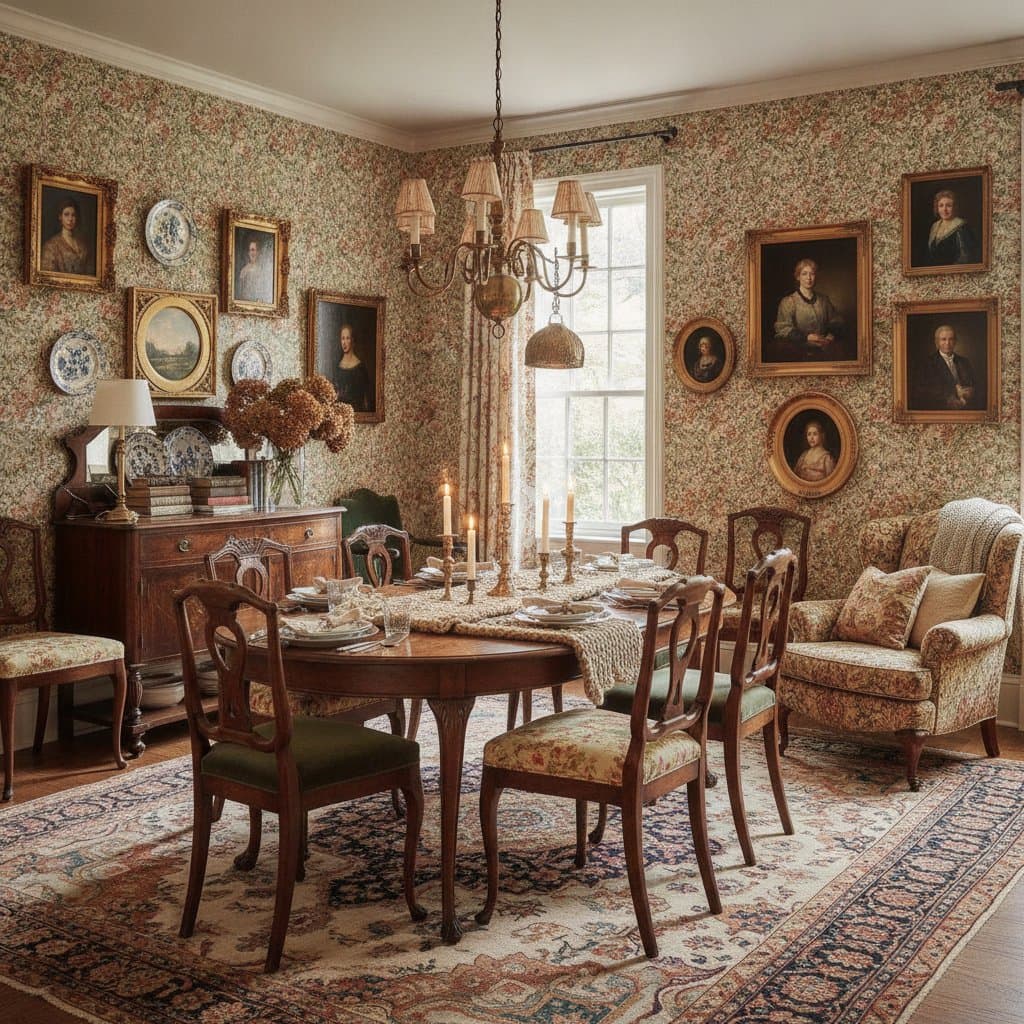
Why Gen Z Embraces Grandmillennial Dining Trends
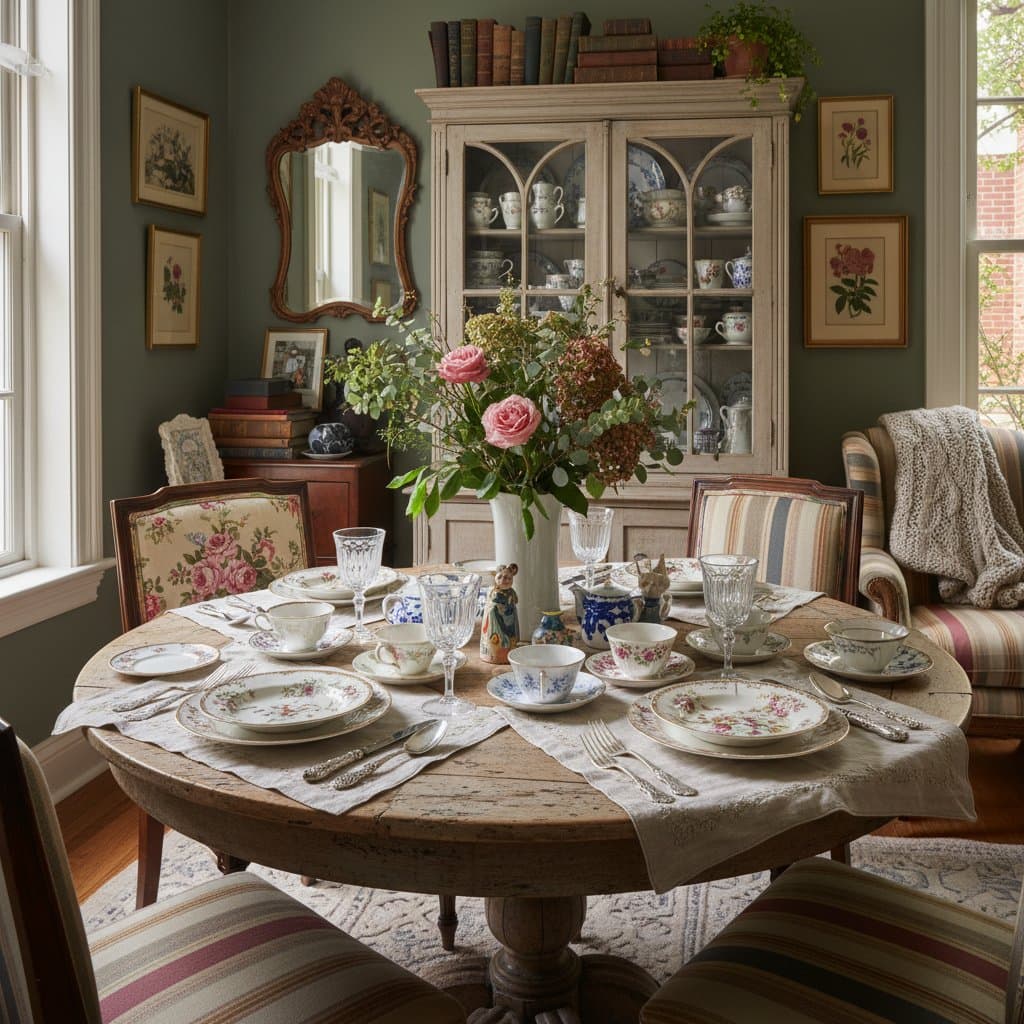
The term grandmillennial first caught attention on social media platforms. Designers and homeowners now layer floral patterns, lace details, and crystal elements in dining spaces. This style marks a shift for a generation accustomed to minimalist environments and digital routines. Young adults seek the warmth and character of traditional design, particularly around the dining table.
Key Takeaways
- Gen Z combines vintage elegance with everyday functionality
- Grandmillennial dining emphasizes nostalgia alongside environmental responsibility
- Inherited items and secondhand discoveries supplant generic furnishings
- Blending patterns, materials, and time periods fosters a distinctive, authentic atmosphere
Seeking Comfort and Connection
Sleek, monochromatic interiors dominated recent years, yet many young professionals desire more inviting surroundings. The grandmillennial approach, characterized as grandmotherly aesthetics updated for contemporary life, provides a sense of ease. It honors subtle imperfections and sentimental value, including abundant florals and delicate trims. For those immersed in virtual interactions, this design delivers physical links to the past.
Blending Nostalgia with Sustainability
Interior designer Clara Hughes, serving clients in London and Paris, observes a notable change. Younger patrons avoid disposable furnishings and favor items with narratives, she notes. Vintage tables or family sideboards serve dual purposes: aesthetic appeal and ecological benefits. Secondhand acquisitions minimize environmental impact while infusing spaces with enduring legacy, unlike assembly-required alternatives.
European countryside residences demonstrate seamless incorporation of antiques. A timeworn oak table pairs with sleek fixtures, yielding a multifaceted, genuine vibe. Emerging stylists replicate this by matching classic seating with vibrant artwork or striking hues. The outcome appears deliberate and at ease, bridging eras with fresh energy.
Confidently Integrating Eras
Previous generations reserved formal dining areas for special occasions, but current residents integrate them into daily life. A patterned cloth might accompany remote work sessions or casual gatherings. This adaptable mindset prevents the aesthetic from seeming rigid. It acknowledges roots while allowing flexibility.
Stylist Maya Brooks advises blending periods without hesitation. She suggests uniting polished utensils with current pottery or stacking antique linens atop modern accents. The focus lies on character rather than flawlessness, she adds. Such guidance renders the trend accessible to diverse budgets and layouts.
The Appeal of Inherited Customs
Traditional table settings carry profound sentiment. Participants engage in shared histories when arranging inherited linens, fostering continuity across generations. This resonance appeals to Gen Z, who prioritize shared moments and bonds over material accumulation.
Online communities accelerate this revival. Video platforms showcase youthful collectors of pre-loved dishware and elaborate hosted events. These displays transcend visuals; they challenge transient consumerism through deliberate choices.
Implementing Grandmillennial Elements
- Coordinate patterns thoughtfully. Align botanical dishware with linear textiles or grid-based underlays. Maintain harmony via consistent tones.
- Build material depth. Incorporate delicate overlays, plush seating pads, or natural fiber bases for dimension.
- Incorporate legacies. A single family artifact, such as a kettle or platter, introduces narrative depth.
- Source sustainably. Explore community outlets or outdoor markets for budget-friendly, unique pieces.
- Introduce botanicals. Fresh arrangements enhance softness and link historical with current motifs.
Sustaining the Narrative Through Design
As evenings conclude and lights dim, the space retains its tales. Grandmillennial dining transcends surface decoration. It restores the pleasure of communal meals, the value of skilled creation, and the assurance of durable elements.