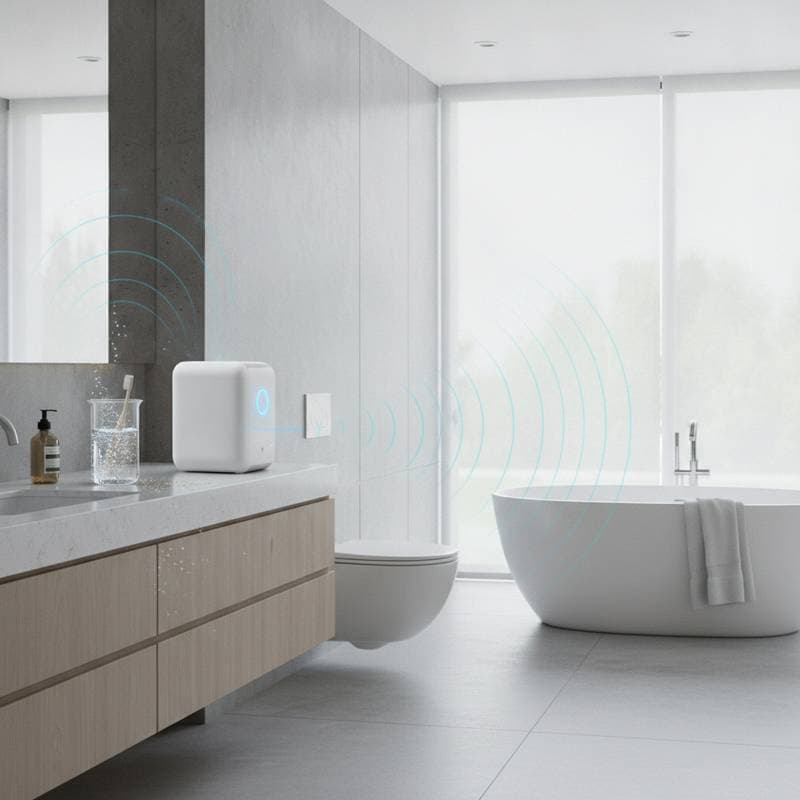
Spa-Style Wet Rooms: The Walk-In Bathroom Trend
A curbless shower creates calm in a bathroom before the water even runs. Without a raised threshold to step over and with fewer visual breaks across the floor, the space feels open and easy to move through. This is the appeal of a wet room, and it explains why homeowners seeking both comfort and style are turning to this walk-in bathroom design.
A wet room places the shower in an open, waterproofed area, often with the bathtub or vanity nearby. It is not simply a shower without a door. Good planning makes the space comfortable, safe, and easy to maintain. If you are considering one, the details beneath the tile matter as much as the tile itself.
What Makes a Wet Room Work
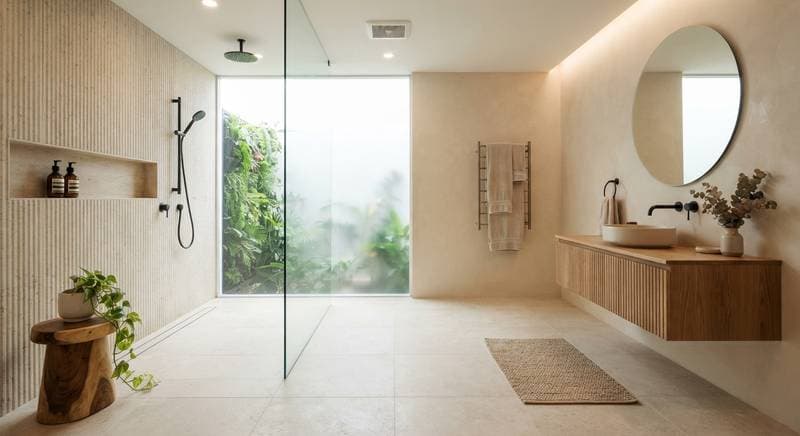
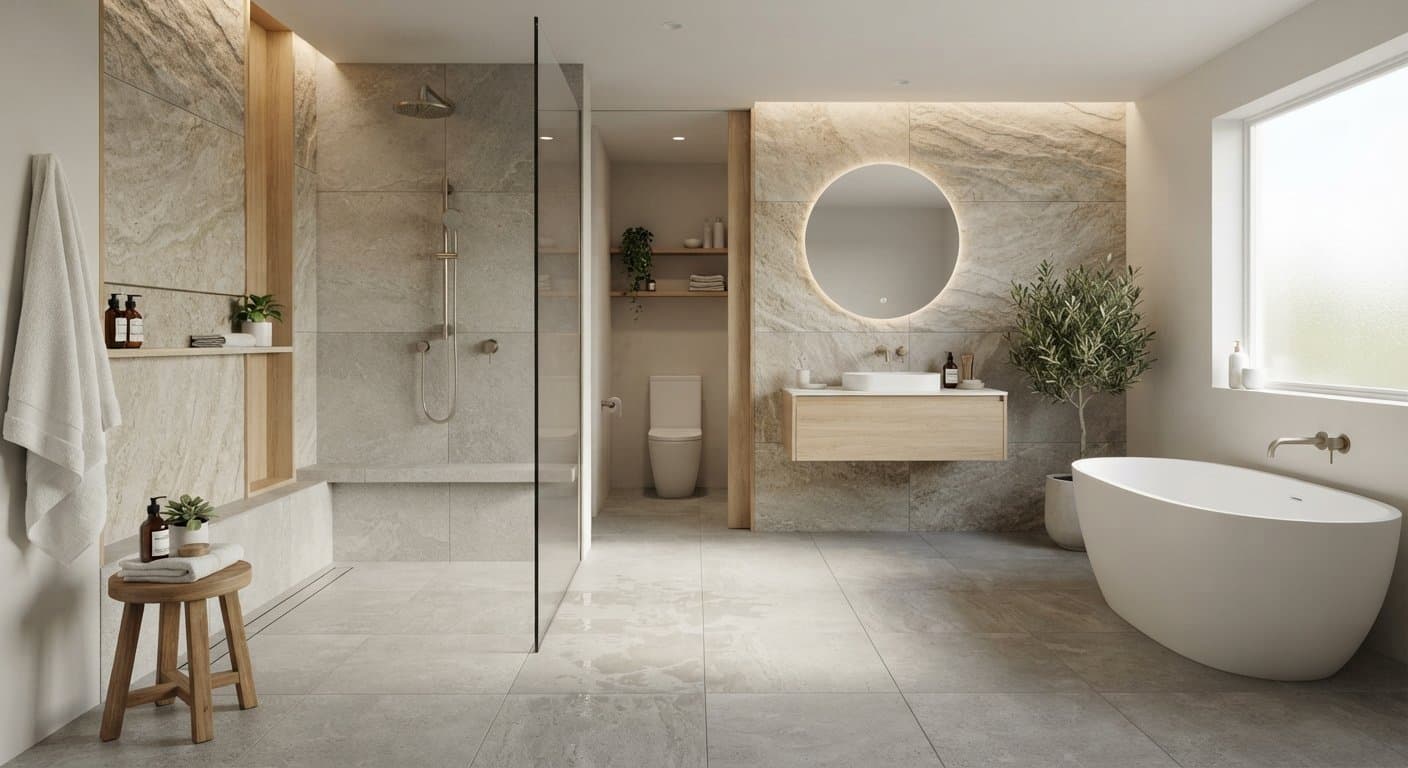
The most recognizable feature is a curbless shower, where the bathroom floor flows into the shower area without a raised lip. That seamless look can help a small room feel larger, and it can make entry easier for children, older adults, or anyone with limited mobility. A clear glass screen may keep water in the shower zone without interrupting the view.
Build a Calm, Spa-Like Palette
A spa feel comes from restraint, texture, and thoughtful light, not from copying a hotel bathroom exactly. Start with a small palette: warm white, soft stone, muted green, or sandy beige. Natural-looking porcelain tile gives you the quiet character of limestone or travertine without the same upkeep. Real stone can be lovely, but it may need sealing and more attentive cleaning.
Think about how surfaces feel together. A smooth wall tile paired with a gently textured floor adds depth without visual clutter. For the shower floor, choose tile that offers good grip, such as smaller mosaics with plenty of grout lines. Ask your tile professional about slip resistance, especially if anyone using the room has balance concerns.
Wood tones can warm up a bathroom that might otherwise feel cool. Try a white oak vanity, a teak shower stool, or a small shelf outside the direct spray. Keep wood finishes suited to damp conditions, and give them room to dry. The goal is a space that feels soft and welcoming, not one that asks you to worry about every splash.
Plan for Water, Light, and Privacy
A wet room works best when the layout responds to real habits. Where do you hang a towel? Can someone use the vanity while another person showers? Is there enough room to dry off without stepping into a puddle? Sketch the morning routine before settling on a layout, and include storage for the things you reach for daily.
Ventilation deserves equal attention. An effective exhaust fan helps clear humidity, protect finishes, and discourage mold. Use it during showers and for a while afterward, following the fan's instructions. If your bathroom has a window, make sure privacy and ventilation needs are both addressed.
Lighting should feel clear at the mirror and gentle elsewhere. Pair flattering, even vanity lighting with a dimmable ceiling light or recessed fixtures rated for damp locations where required. Warm bulbs can soften stone and tile, while a dedicated mirror light helps with grooming. A dimmer is a relatively modest upgrade that can make an evening bath feel noticeably more restful.
Be Honest About the Trade-Offs
Open showers are not right for every bathroom or every household. Water can travel beyond the shower zone, particularly if the space is narrow or the showerhead points toward the entrance. A fixed glass panel, a well-positioned showerhead, and a generous wet area can help, but they will not replace sound design.
The room may also feel cooler without a fully enclosed shower. Radiant floor heating can add comfort, though it raises project costs. If you are working with a limited budget, focus first on proper waterproofing, drainage, and a reliable fan. You can create a spa-like mood with paint, lighting, and accessories later.
For renters, a full wet room is rarely a practical alteration. You can still borrow the look with a matching set of bath linens, a teak stool, calming colors, and a curved shower curtain rod that makes the existing shower feel roomier. These small choices bring in the relaxed atmosphere without a major renovation.
Make the Design Fit Your Home
The best wet room is not the one with the most expensive stone or the largest shower. It is the one that supports how you move through your day and feels comfortable to live with. In a compact bathroom, large-format wall tile can reduce visual grout lines, while a wall-mounted vanity keeps more floor visible. In a larger room, a tub can share the waterproofed zone, but leave enough space to reach it and clean around it.
Before hiring, request a detailed scope that names waterproofing materials, tile preparation, drainage, ventilation, and any plumbing changes. Get samples of tile and grout, then look at them in your own bathroom light.
Living with Your Design
Start by measuring the room and listing what you want it to do. Then speak with a qualified contractor about the structure, slope, and waterproofing before choosing finishes.
Trust your taste, keep maintenance in view, and spend where performance matters. When the practical work is handled well, a simple palette, warm light, and a thoughtfully designed curbless shower can make your everyday routine feel easier and more restorative.