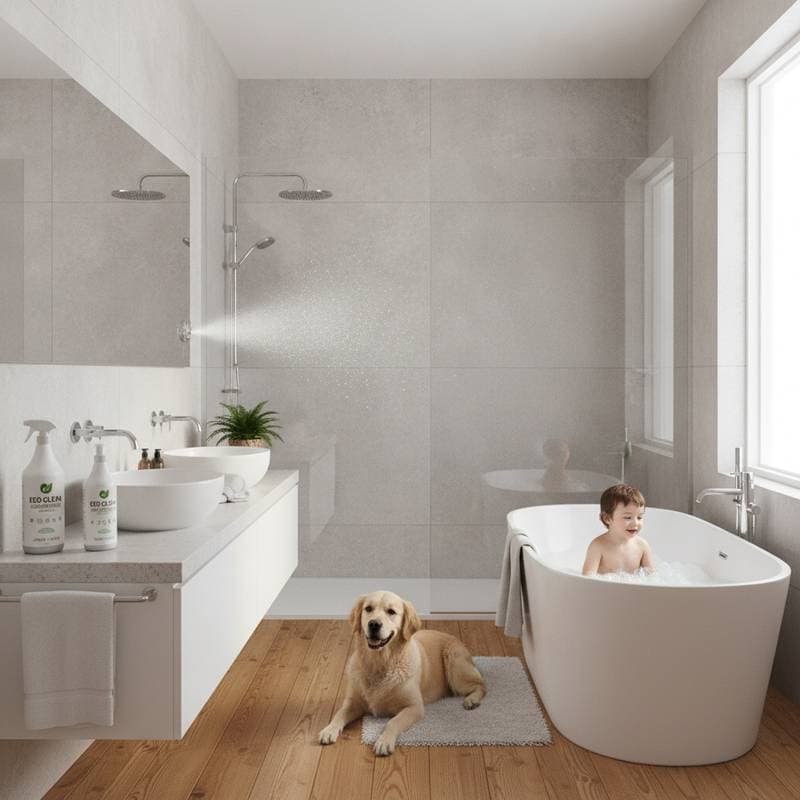
Doorless Showers Create Wet Rooms That Expand Small Bathrooms
Morning light filters softly through frosted glass. Steam swirls gently. You step into a shower with no door, no curtain, and no threshold. This open design defines the modern wet room and turns ordinary bathrooms into personal retreats.
Doorless showers represent more than aesthetics. They change how space, cleanliness, and comfort work together. Homeowners and designers adopt these open layouts for both luxury and practicality. The transformation often requires no full renovation.
Benefits of Open Shower Designs
Wet rooms rely on open flow. The entire bathroom becomes a waterproof zone. Sloped floors direct water to a discreet drain. Seamless walls resist mold. Without frames or curtains, sightlines extend freely.
Small bathrooms appear larger. Larger spaces gain a serene atmosphere. Light and air move without interruption. The result feels minimal yet indulgent.
Reasons Wet Rooms Gain Popularity
- Space efficiency. Removing enclosures lets light travel freely and makes compact rooms feel open.
- Accessibility. Barrier free entry suits all ages and mobility levels.
- Maintenance. Large tiles and seamless surfaces reduce grout lines and simplify cleaning.
- Relaxation. The layout supports calm routines and spa like comfort.
- Sustainability. Fewer materials and durable finishes align with long term, eco conscious choices.
Key Design Elements
Waterproofing forms the foundation. Installers apply membranes under tile. Floors slope toward linear drains. After these steps, creative options follow.
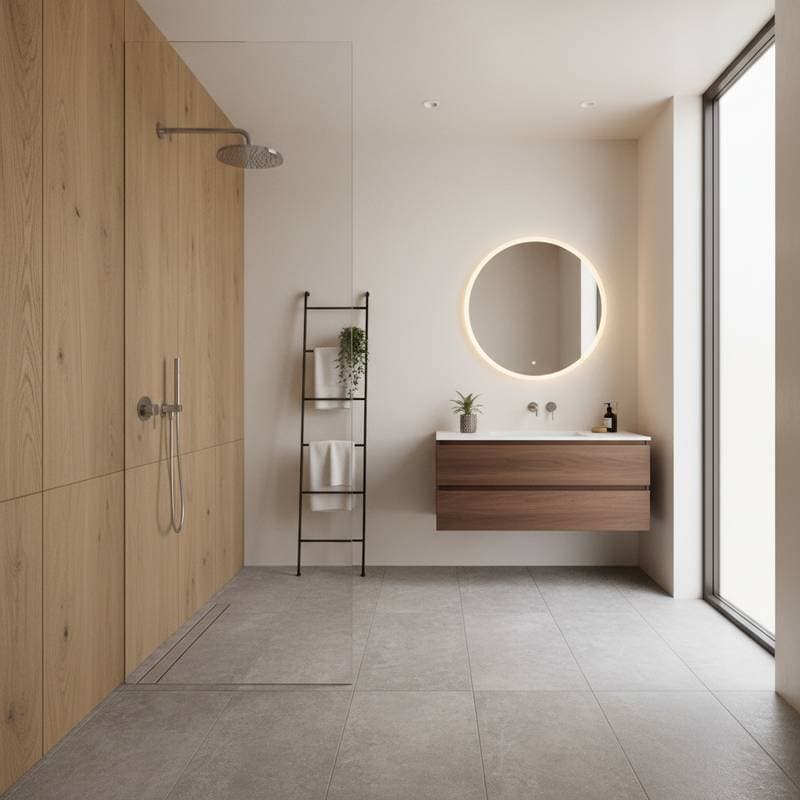
- Position the shower at the far end to contain water while preserving open views.
- Add a single glass panel for splash control without full enclosure.
- Use stone, pebble, or wood look tile for tactile warmth.
- Install underfloor heating to speed drying and improve comfort.
- Include recessed lights and strong ventilation for balanced function and mood.
Maintenance Practices
Natural methods keep surfaces clean.
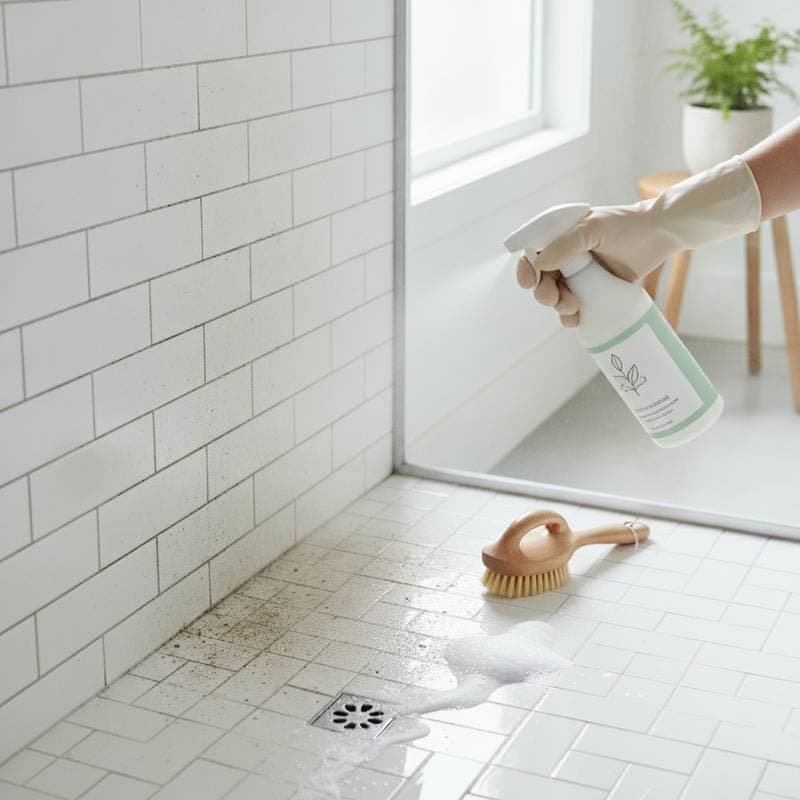
- Mix white vinegar with water to remove soap residue on tiles.
- Apply baking soda to grout, scrub lightly, and rinse.
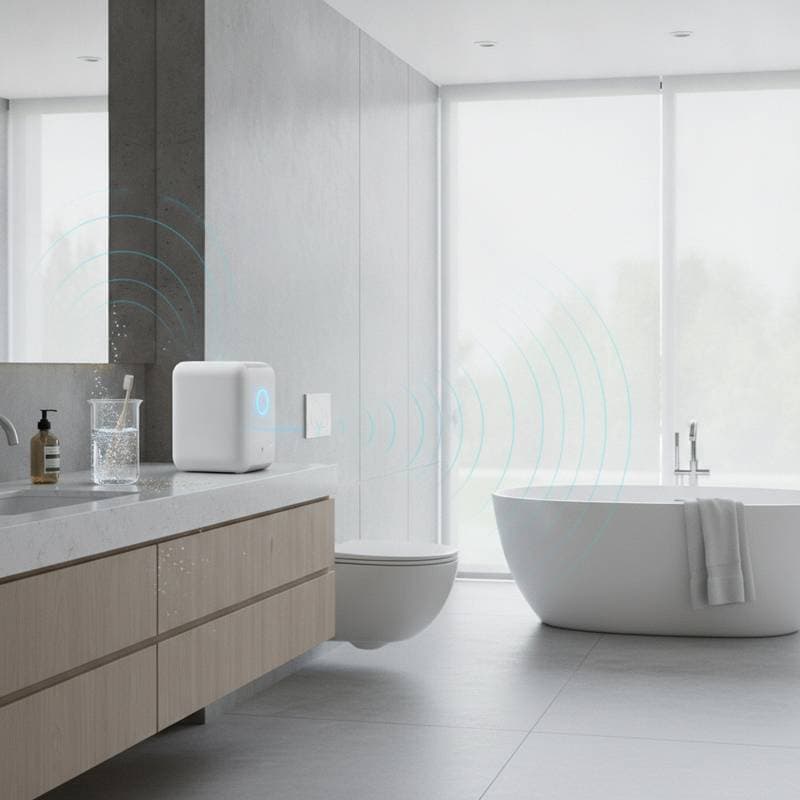
- Diffuse tea tree or lavender oil to reduce mildew risk.
- Wipe surfaces with a squeegee after each use.
Emotional Impact of Barrier Free Showers
Open layouts reduce visual clutter. The sound of water on stone creates a quiet pause. Homeowners report slower mornings and greater calm. This connection turns routine into ritual.
Adaptations for Different Spaces
Compact Bathrooms
A single glass panel separates the shower area. Light colored tiles reflect light. Wall mounted fixtures maintain openness. Linear drains near the wall manage water.
Medium Bathrooms
Half walls define zones. Textured tiles distinguish wet and dry areas. Built in niches reduce clutter. River stone floors pair with warm lighting.
Larger Bathrooms
Double showerheads and benches add function. Layered lighting shifts between task and relaxation modes. Outdoor extensions with privacy screens blend indoor and garden spaces.
Practical Considerations
Select non slip porcelain or sealed stone. Ensure professional sealing of all joints. Install quiet exhaust fans to control moisture. Heated towel rails help in cooler climates.
Designers note that uninterrupted sightlines elevate modest rooms. Clients request natural materials for their calming effect. These choices combine to create restorative spaces.
Steps to Implement an Open Shower
Measure the space and plan drainage first. Consult installers for waterproofing details. Choose materials that match your style. Add humidity tolerant plants and soft lighting. Treat the project as a shift toward intentional daily routines.